


What's Happening?
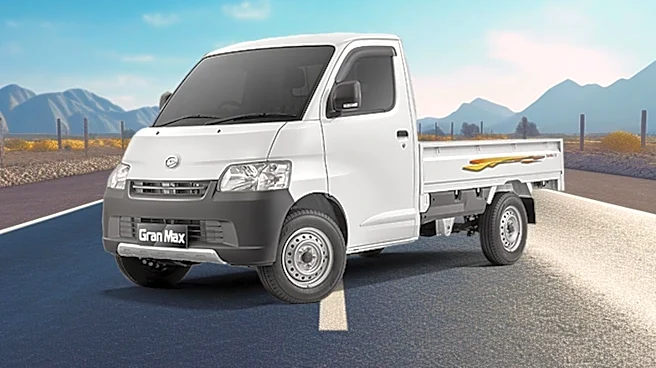
A 2000 Daihatsu HiJet pickup truck is currently up for auction on Bring a Trailer. This kei truck, a small but versatile vehicle, has been legally imported from Japan and is ready for use. The auction comes as Toyota plans to introduce new kei trucks
under its Scion brand in the United States, to be sold as low-speed vehicles (LSVs). The Daihatsu HiJet is the same model upon which the new Scion kei truck will be based. Kei trucks are a significant segment in Japan, used for various tasks such as road repair, construction, plumbing, and gardening, with an annual competition for the best bonsai garden in a kei truck bed. This particular HiJet features a 659cc three-cylinder engine producing 42 horsepower, a five-speed manual transmission, and selectable all-wheel drive. The selling dealer has recently performed maintenance, including a battery replacement, new spark plugs, and an oil change. The vehicle's bed is flexible, with fold-down sides that convert it into a mini-flatbed, and it has a payload capacity of 770 pounds. The auction for this Daihatsu HiJet is scheduled to conclude on November 25.
Why It's Important?
The availability of this imported Daihatsu HiJet on the U.S. market highlights the growing interest in kei trucks, particularly as Toyota prepares to introduce its own Scion-branded versions. This trend could signal a shift in the U.S. automotive market towards smaller, more utilitarian vehicles, especially for specific niches. Kei trucks offer a unique combination of compact size and surprising utility, making them suitable for tasks on farms, within factory complexes, or for recreational activities like hunting and fishing where larger pickups cannot access narrow tracks. However, their on-road legality varies by state, with some states restricting them to roads with speed limits of 35 mph or less, while others only permit use on private property. The success of such auctions and the anticipated launch of Scion's kei trucks could influence future import regulations and consumer demand for specialized, compact utility vehicles in the U.S., potentially creating a new sub-segment in the light truck market.
What's Next?
The auction for the 2000 Daihatsu HiJet will conclude on November 25, determining its new owner. Following this, the market will likely observe the performance and reception of Toyota's upcoming Scion-branded kei trucks, which are expected to be sold as low-speed vehicles (LSVs) in the U.S. The success of these new models could influence other manufacturers to consider importing or producing similar compact utility vehicles for the American market. Additionally, state legislatures may face increasing pressure to clarify or standardize regulations regarding the on-road use of kei trucks, as their popularity grows. Potential buyers and enthusiasts will continue to monitor import opportunities for older kei trucks, which become legal to import once they are 25 years old. The broader automotive industry will be watching to see if this niche market expands, potentially leading to new product offerings and regulatory discussions.
Beyond the Headlines
The emergence of kei trucks like the Daihatsu HiJet in the U.S. market, alongside Toyota's plans for Scion-branded versions, points to a deeper cultural and practical shift in automotive preferences. These vehicles, often seen as quirky or niche, represent a counter-narrative to the prevailing trend of larger, more powerful trucks and SUVs in America. Their appeal lies in their efficiency, maneuverability, and surprising utility in a compact footprint, reflecting a growing interest in minimalism and practicality. This could also spark discussions about urban planning and infrastructure, as smaller vehicles might alleviate congestion and parking issues in dense areas. Furthermore, the legal complexities surrounding their on-road use highlight the challenges of integrating foreign vehicle classifications into existing U.S. regulatory frameworks, potentially prompting a re-evaluation of vehicle categories and safety standards for specialized imports. The trend could also foster a DIY culture, as these basic, robust trucks are often modified for specific tasks, appealing to a segment of consumers seeking customizable and functional vehicles.