









What's Happening?
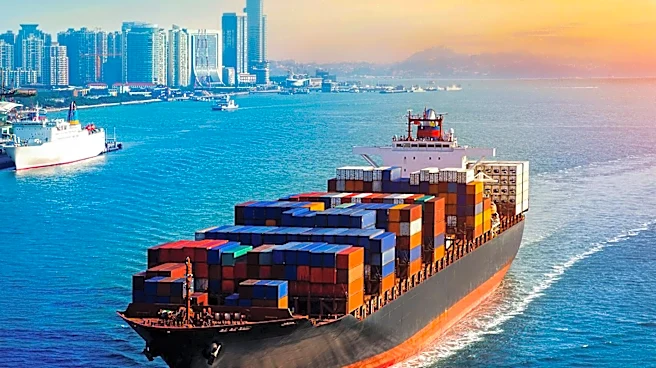
Oil prices have increased following an attack on a cargo vessel in the Strait of Hormuz, which led to the suspension of a U.N. evacuation plan. Brent crude rose by 4% as the International Maritime Organization paused its evacuation efforts amid renewed
violence. The strait is a critical passage for about one-fifth of global oil and liquefied natural gas supplies. The attack has disrupted hopes for a return to normal shipping in the region, with Asian markets reacting negatively. The incident underscores the fragility of peace in the strait and the importance of securing the passageway to recover lost supply.
Why It's Important?
The Strait of Hormuz is a vital chokepoint for global energy supplies, and any disruption can have significant implications for oil prices and global markets. The recent attack highlights the ongoing geopolitical tensions in the region, which can lead to volatility in energy markets. For the U.S., higher oil prices can increase energy costs, affecting consumers and businesses. The situation also emphasizes the need for secure and stable shipping routes to ensure the uninterrupted flow of energy supplies.
What's Next?
Efforts to secure the Strait of Hormuz and ensure safe passage for vessels will be crucial in the coming weeks. This may involve diplomatic efforts to de-escalate tensions and ensure compliance with international maritime laws. Additionally, stakeholders will need to monitor the situation closely to assess the impact on global oil supply and prices. The potential for further disruptions remains, and contingency plans may be necessary to address any future challenges.