





What's Happening?
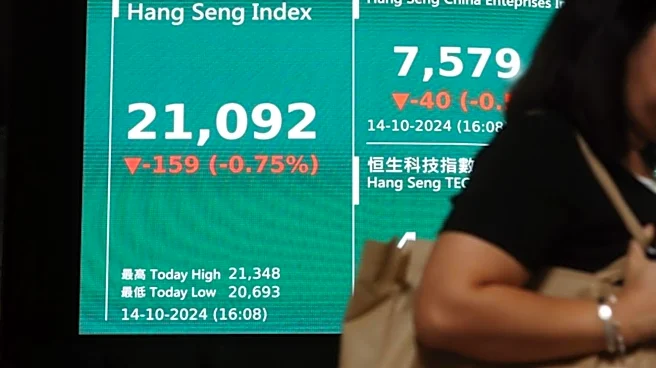
On November 5, Hong Kong's tech sector saw a substantial surge, with the Hang Seng Tech Index climbing nearly 6% intraday to reach 4,165 points, and the broader Hang Seng Index rising over 3%. This rally was driven by strong performances from major tech companies.
Meituan-W led the gains among heavyweight stocks, increasing by 9.11%. Other significant contributors included NetEase, Inc., Xiaomi Corporation-W, Alibaba-W, and Tencent Holdings, all of which saw gains exceeding 6.7%. This market movement followed a 3.49% gain in the Nasdaq Golden Dragon China Index overnight. Analysts from China Securities (CSC) noted that the valuations of Hong Kong's tech sector had been compressed to historically low levels, with the Hang Seng Tech Index's forward price-to-earnings ratio at approximately 14.5 times as of October 25, placing it in the 7th percentile of its historical range. This represents a roughly 75% decrease from its peak in early 2021, suggesting the market was ripe for a rebound.
Why It's Important?
The significant rally in Hong Kong's tech stocks is important as it signals a potential shift in investor sentiment towards a sector that has been undervalued. The rebound suggests that investors may be viewing current valuations as attractive, indicating a belief that these companies have strong growth potential despite previous market pressures. This surge could attract more capital into the Hong Kong market, particularly from international investors looking for opportunities in the tech space. The strong performance of major players like Meituan, Alibaba, and Tencent, which collectively hold substantial weight in the index, can have a ripple effect across the broader market, potentially boosting confidence in other sectors. For U.S. investors with exposure to Chinese tech companies listed in Hong Kong, this rally could translate into positive portfolio performance. Furthermore, it highlights the interconnectedness of global markets, as the overnight performance of U.S.-listed Chinese stocks influenced Hong Kong's trading day.
What's Next?
Following this significant rally, market participants will be closely watching for sustained momentum and further indications of a long-term recovery in Hong Kong's tech sector. The performance of these stocks in the coming days and weeks will be crucial in determining if this was a short-term bounce or the beginning of a more sustained upward trend. Analysts will be scrutinizing upcoming earnings reports from these tech giants for signs of fundamental strength that can justify higher valuations. Additionally, the flow of Southbound Funds (mainland Chinese money investing in Hong Kong stocks) will be a key indicator; a sustained net inflow would signal continued confidence from mainland investors. Any further positive developments in the broader economic landscape or regulatory environment could also provide additional tailwinds for the sector. Conversely, any negative news or renewed geopolitical tensions could quickly dampen the current optimism.
Beyond the Headlines
The recent surge in Hong Kong tech stocks goes beyond mere daily market fluctuations, hinting at deeper shifts in global investment strategies. The rebound from 'historically extreme levels' of valuation suggests a market correction where fundamental value is being recognized after a period of significant undervaluation. This could signal a broader rotation of capital, where investors move away from overvalued assets in other markets towards sectors perceived as having strong growth potential at a discount. The increased stake by institutions like JPMorgan in companies such as Meituan further underscores this shift, indicating institutional confidence in the long-term prospects of these tech firms. This development also highlights the resilience of the Hong Kong market as a hub for Chinese tech companies, despite ongoing geopolitical and regulatory uncertainties. The focus on technological advancements, such as Tencent's new large language model, suggests that innovation continues to be a key driver for these companies, potentially attracting long-term growth-oriented investors.