




What's Happening?
Renee Lowe, a former employee of Headspace, has joined Superpower, a company focused on health intelligence. Lowe's decision to join Superpower was influenced by a personal experience with elevated blood sugar levels, which prompted her to seek more proactive
health management solutions. Despite her background in wellness at Headspace, she found the traditional annual blood test and short doctor's appointments insufficient for continuous monitoring and understanding her health. Lowe's goal at Superpower is to bring its health intelligence platform to the workplace as a benefit, aiming to provide employees with better access to health data and insights. She believes that offering such tools as a workplace benefit will empower individuals to be more proactive about their health, especially those who might otherwise lack the resources or time to research and manage their health conditions independently.
Why It's Important?
This move highlights a growing trend in the U.S. towards integrating advanced health intelligence and personalized wellness solutions into corporate benefits packages. As healthcare costs continue to rise and employee well-being becomes a priority for businesses, companies are increasingly looking for innovative ways to support their workforce's health. Lowe's experience underscores the limitations of traditional healthcare models, which often provide infrequent data points, making it difficult for individuals to track and respond to health changes effectively. By bringing Superpower to the workplace, she aims to address this gap, potentially leading to a more informed and healthier workforce. This initiative could reduce long-term healthcare costs for employers, improve employee productivity, and enhance overall job satisfaction by demonstrating a commitment to employee well-being. It also signifies a shift towards preventative and proactive health management, moving beyond reactive treatment.
What's Next?
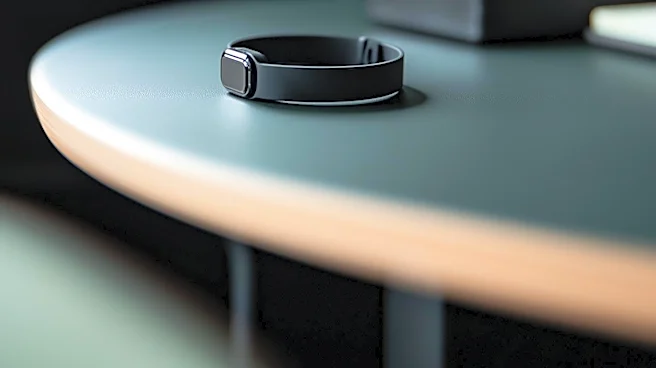
The initiative to integrate Superpower's health intelligence platform into workplace benefits suggests a future where personalized health monitoring becomes a standard offering for employees. This could lead to increased adoption of wearable technology and other biometric data collection methods, as individuals gain access to tools that help them understand their bodies better. Companies might see a competitive advantage in offering such comprehensive wellness programs, attracting and retaining talent. There could also be a push for more robust data privacy regulations and ethical guidelines surrounding the collection and use of employee health data. Furthermore, the success of such programs could inspire other industries to explore similar models, expanding the reach of proactive health management beyond corporate settings. The focus will likely be on demonstrating tangible health improvements and cost savings to justify these investments.
Beyond the Headlines
The broader implication of this development lies in the evolving relationship between employers and employee health. As companies offer more sophisticated health intelligence tools, the line between personal health management and workplace benefits blurs. This could lead to a more holistic view of employee well-being, where mental, physical, and even biological health are supported by the employer. However, it also raises questions about individual autonomy and the potential for employer influence over personal health choices. The ethical considerations of data ownership, privacy, and the potential for discrimination based on health data will become increasingly prominent. This trend could also foster a culture of continuous self-monitoring and data-driven health decisions, potentially empowering individuals but also creating new pressures to optimize health metrics, shifting societal norms around personal responsibility for health.