




What's Happening?
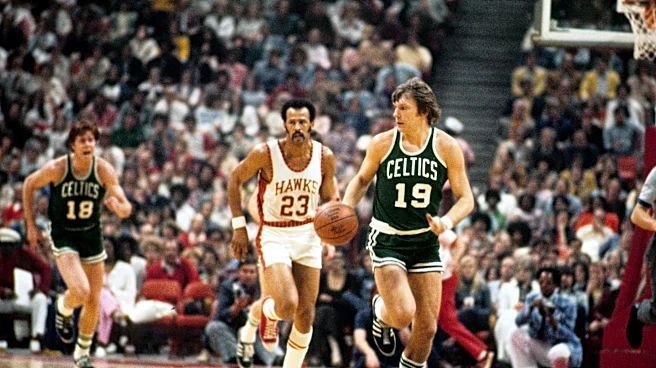
Don Nelson, a prominent figure in NBA history, passed away at the age of 86. Nelson was celebrated for his contributions both as a player and a coach. He played 11 of his 14 seasons with the Boston Celtics, winning five championships. As a coach, he became
the second-winningest in NBA history, with significant tenures at Milwaukee, Dallas, and Golden State. Nelson was known for his innovative approach to basketball, introducing the 'point forward' concept and emphasizing a fast-paced style of play. His coaching career included three NBA Coach of the Year awards and 18 playoff appearances over 31 seasons. Nelson's influence extended beyond his teams, impacting the broader evolution of basketball strategy.
Why It's Important?
Nelson's passing marks the end of an era for the NBA, as he was a pivotal figure in transforming the game. His strategies, particularly the shift towards speed and versatility, have become foundational in modern basketball. Nelson's legacy is evident in the success of players like Dirk Nowitzki and Stephen Curry, whom he mentored. His innovative 'Nellie Ball' style challenged traditional basketball norms and paved the way for the dynamic, fast-paced play that defines today's NBA. Nelson's impact is felt not only in the records he set but also in the strategic evolution of the sport, influencing coaches and players across generations.
What's Next?
The basketball community is likely to honor Nelson's legacy through tributes and reflections on his contributions to the sport. Teams he coached, such as the Golden State Warriors and the Dallas Mavericks, may hold commemorative events or dedicate games in his memory. The NBA may also consider recognizing his influence through awards or special mentions during upcoming events. As the league continues to evolve, Nelson's strategies and philosophies will remain a reference point for coaches and players aiming to innovate and excel in the sport.
Beyond the Headlines
Nelson's career highlights the importance of adaptability and innovation in sports. His willingness to challenge conventional wisdom and experiment with new strategies underscores a broader lesson in leadership and creativity. Nelson's approach to coaching, which emphasized player strengths and unconventional tactics, serves as a model for fostering talent and achieving success in competitive environments. His legacy extends beyond basketball, offering insights into effective team management and the value of embracing change.