


What's Happening?
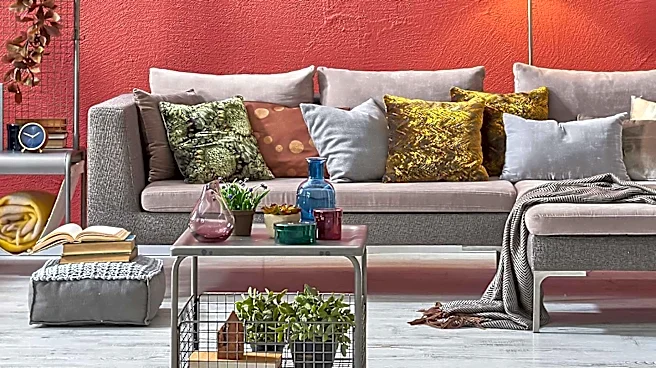
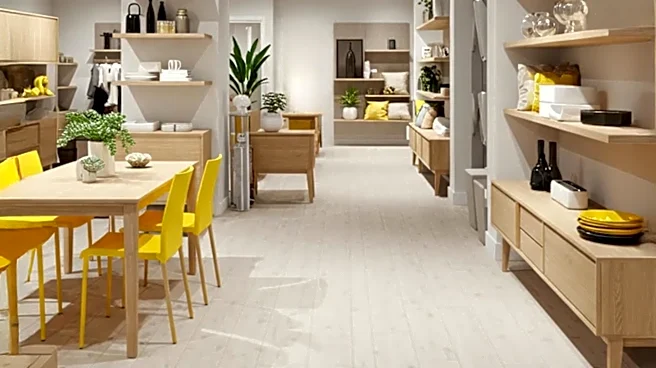
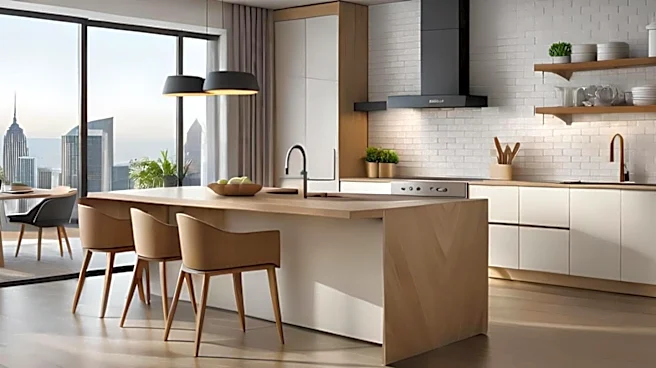
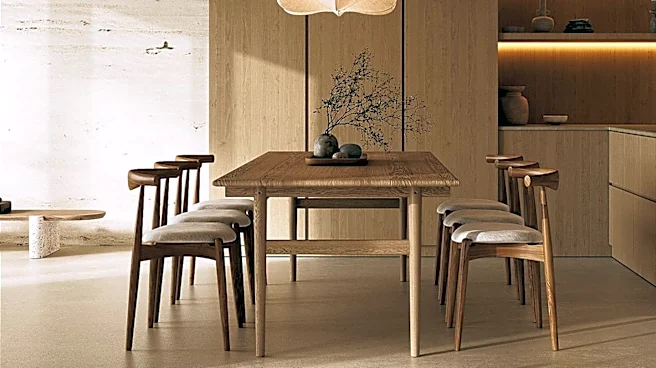
Japandi style is gaining prominence as an interior design trend that merges Japanese minimalism with Scandinavian functionality. This aesthetic emphasizes simplicity, natural materials, and practical design, creating tranquil and warm living spaces. Key
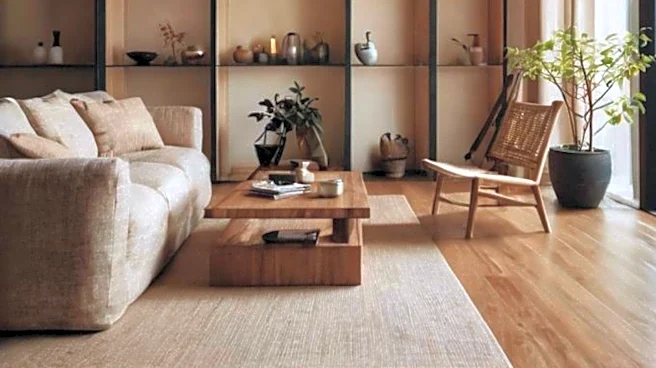
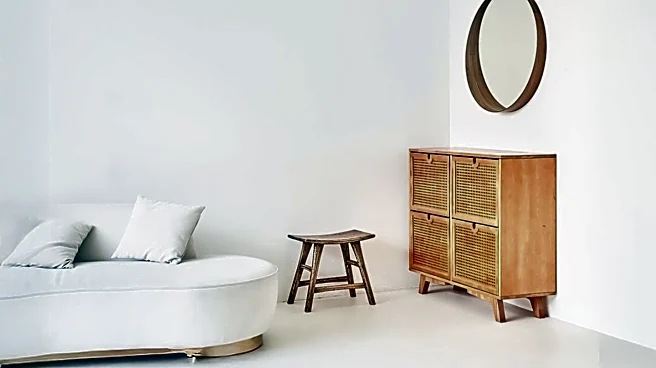
characteristics include a muted color palette, often featuring whites, grays, beiges, and soft earth tones, which contribute to a peaceful environment and enhance natural light. The style incorporates natural materials like bamboo, linen, and wool to add warmth, alongside functional yet stylish furniture pieces such as low-lying sofas or multi-functional tables. The goal is to create an uncluttered space where every element serves a purpose, promoting a sense of serenity and well-being.
Why It's Important?
The rise of Japandi style reflects a broader societal shift towards seeking tranquility and simplicity in living environments, particularly in the U.S. where fast-paced lifestyles often lead to a desire for calm domestic spaces. This design philosophy offers a practical approach to home decor, encouraging decluttering and thoughtful selection of functional items, which can lead to more organized and less stressful homes. For the U.S. interior design industry, it signifies a growing market for natural materials, minimalist furniture, and sustainable design practices. Consumers are increasingly valuing quality over quantity, impacting manufacturing and retail sectors to offer products that align with Japandi's emphasis on craftsmanship and durability. This trend also highlights a cultural appreciation for global design influences, blending Eastern and Western aesthetics to create universally appealing spaces.
What's Next?
As Japandi style continues to gain traction, interior designers and furniture retailers in the U.S. are likely to further integrate its principles into their offerings. Expect to see more collections featuring natural wood, muted textiles, and multi-functional furniture designed with clean lines. Educational resources and workshops on incorporating Japandi elements into homes may also become more prevalent, catering to a growing interest in DIY home improvement. The trend could also influence architectural design, with a greater emphasis on open-plan layouts, natural light, and the seamless integration of indoor and outdoor spaces. Furthermore, the focus on sustainability and natural materials within Japandi design may drive innovation in eco-friendly home furnishings and construction materials.
Beyond the Headlines
Beyond its aesthetic appeal, Japandi style embodies a philosophical approach to living that prioritizes mindfulness and intentionality. In a consumer-driven society, its emphasis on 'less is more' challenges conventional notions of home decor, encouraging individuals to invest in fewer, higher-quality items that bring lasting value and peace. This shift could have long-term implications for consumer behavior, fostering a more sustainable and conscious approach to consumption. Ethically, the style's reliance on natural materials could promote responsible sourcing and manufacturing practices. Culturally, it represents a harmonious blend of diverse design traditions, suggesting a growing openness to cross-cultural influences in shaping American lifestyles and environments. The tranquility offered by Japandi interiors may also contribute to improved mental well-being, providing a sanctuary from external stressors.