
The Rise of the 'Slow Morning'
Scroll through TikTok or Instagram Reels under hashtags like #morningroutine or #slowliving, and you’ll see it: a quiet, cinematic world awash in soft morning light. The alarm doesn’t blare; it gently chimes. The coffee isn’t a quick K-Cup; it’s a meticulously
prepared beverage. This isn’t just about waking up—it’s about performing a ritual. This curated “slow morning” has become a new status symbol, one that values quiet indulgence over the frantic “rise and grind” hustle culture that dominated the 2010s. For a generation that came of age amidst economic uncertainty and a global pandemic, exerting this level of control over the first hours of the day feels like a radical act of self-preservation and personal branding.
The At-Home Barista Effect
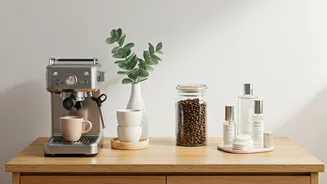
At the heart of this trend is the beverage station. The humble coffee pot has been replaced by a full-fledged home café setup that would make a professional barista proud. We’re talking Nespresso Vertuo machines, gleaming Breville espresso makers, and electric gooseneck kettles for the perfect pour-over. But the hardware is just the start. The software includes an array of Torani or Monin syrups in aesthetic glass dispensers, various plant-based milks frothed to perfection, and specialized powders for making matcha or mushroom coffee. The final product is served not in a random mug, but in a specific piece of trendy glassware—a ribbed glass, a double-walled cup, or a colorful ceramic mug from a direct-to-consumer brand. Each step is an opportunity for a satisfying visual, making the process as important as the caffeine hit itself.
Beyond Coffee: Wellness as a Ritual
The expensive morning isn’t just about what you drink; it’s about a holistic wellness experience. The routine often begins the night before with the “everything shower,” a lengthy ritual involving hair masks, body scrubs, and scented oils. In the morning, it continues with a multi-step skincare regimen. This isn’t just splashing water on your face; it’s a sequence of cleansers, toners, vitamin C serums, hyaluronic acid, moisturizers, and, of course, SPF, often from photogenic brands like Drunk Elephant or Summer Fridays. The setting matters, too. The backdrop features silk pajamas, a cozy robe, a gratitude journal open to a fresh page, and perhaps a stick of palo santo burning. It’s about creating an atmosphere of calm, intentionality, and main-character energy before the chaos of the outside world intrudes.
A Rebellion Against Hustle Culture?
On one level, this is peak consumerism repackaged as self-care. But on another, it can be seen as a quiet rebellion. Millennials were sold the gospel of the side hustle and the 5 a.m. gym session as the only path to success. The curated morning is a direct counter-narrative. It prioritizes peace over productivity, pleasure over punishing optimization. In a world where remote and hybrid work have blurred the lines between home and office, creating a firm, luxurious boundary at the start of the day is a way to reclaim personal space and time. This trend suggests a generational shift in values: if the external world is chaotic and demanding, the internal world—and the home that contains it—should be a sanctuary of comfort and control.
The Price of a Perfect Vibe
Of course, creating this sanctuary comes at a cost. The espresso machines, the brand-name serums, the aesthetic glassware, and the organic matcha powder all add up. A single “morning moment” video can subtly showcase hundreds of dollars in products. This creates a paradox: a lifestyle that purports to reject the pressures of capitalism is often sustained by significant discretionary spending. It raises the question of whether this is truly accessible self-care or another form of social media-driven pressure to consume. The aesthetic is one of ease and effortlessness, but the reality often involves a carefully calculated budget for “little luxuries” that have become non-negotiable staples.