





What's Happening?
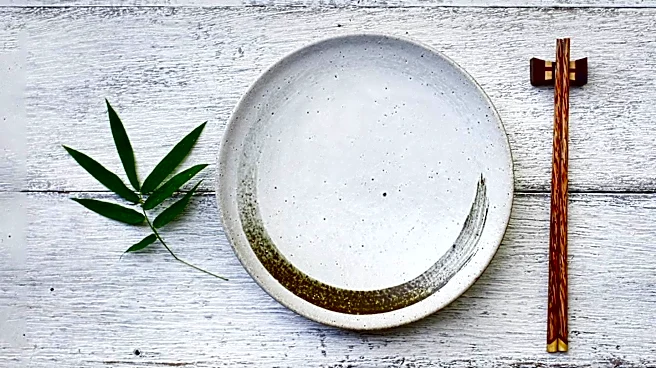
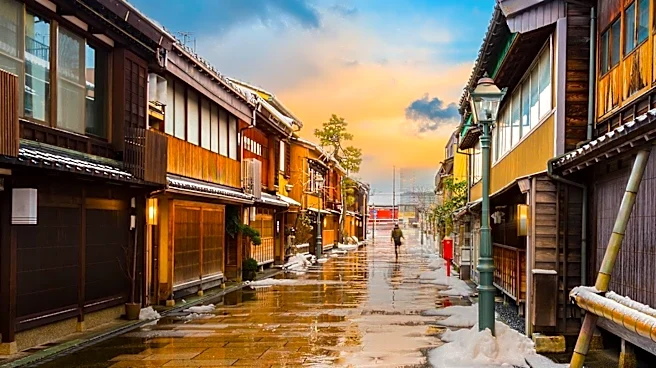
Wabi-sabi is a Japanese aesthetic that finds beauty in imperfection, simplicity, and the passage of time. It emphasizes the beauty of asymmetry, roughness, and the unpolished, valuing modesty and the transient over the grand and new. This philosophy is evident
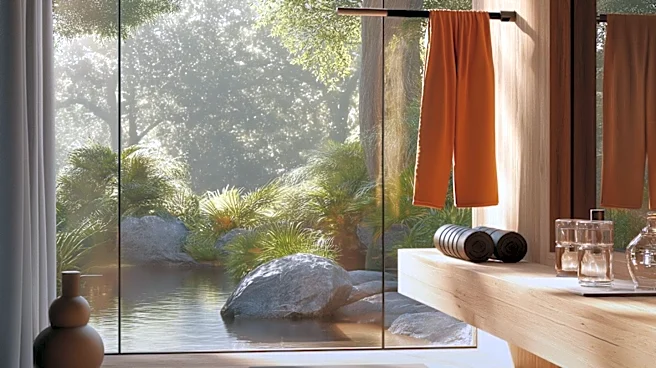
in traditional Japanese arts like the tea ceremony, which favors simple, unpolished utensils, and in modern design, where restraint and negative space create a serene and restorative environment.
Why It's Important?
Wabi-sabi offers a philosophical approach that challenges Western ideals of perfection and permanence, promoting a more sustainable and mindful way of living. By appreciating the beauty in imperfection and transience, wabi-sabi encourages the use of materials that age gracefully, reducing reliance on disposable goods. This perspective can influence design, consumer behavior, and environmental impact, fostering a culture that values authenticity and longevity.