







What's Happening?
Dylan Field, CEO and cofounder of Figma, has expressed optimism about the role of creative professionals in the age of AI-generated design. Speaking on The New York Times' 'Hard Fork' podcast, Field highlighted that AI models typically produce designs
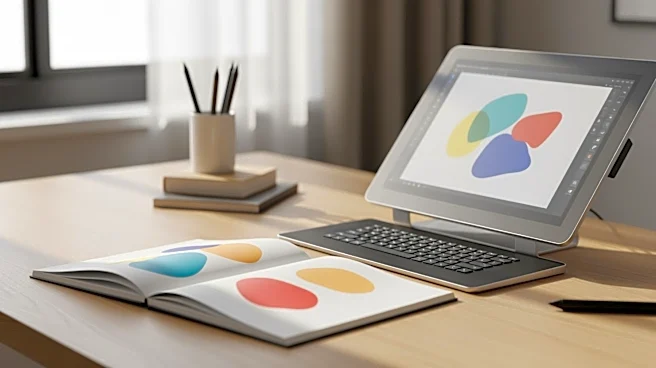
that are average, as they are trained on existing data distributions. In contrast, humans have the unique ability to create unprecedented and innovative designs. Field emphasized that this era presents a great opportunity for creativity, encouraging designers to push the boundaries of human knowledge and creativity. Figma has introduced its own AI 'vibe design' tools, which allow users to create mock-ups for apps and software, competing with similar offerings from companies like Google and Anthropic. Field noted that the influx of AI-generated designs in marketing should motivate companies to produce more original work, emphasizing authenticity and creativity.
Why It's Important?
The discussion around AI in design is crucial as it addresses concerns about the potential impact of AI on creative jobs. Field's perspective suggests that rather than replacing human designers, AI could enhance their roles by encouraging more innovative and interactive design work. This shift could lead to a broader definition of design roles, with more professionals identifying as 'designers-creatives.' The emphasis on originality and authenticity in design could drive a new wave of creativity in industries reliant on visual and interactive content. This development is significant for the design industry, as it navigates the balance between leveraging AI tools and maintaining human creativity.
What's Next?
As AI continues to evolve, the design industry may see a transformation in job roles, with a potential increase in generalist positions that combine various creative skills. Companies might focus more on proving the authenticity of their designs, distinguishing human-created work from AI-generated content. This could lead to new standards and practices in the industry, promoting a culture of innovation and originality. Stakeholders in the design and tech sectors will likely continue to explore how AI can complement human creativity, potentially leading to new tools and methodologies that enhance the creative process.