







What's Happening?
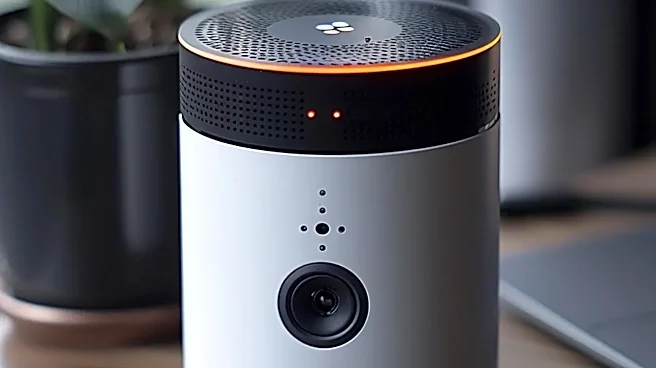
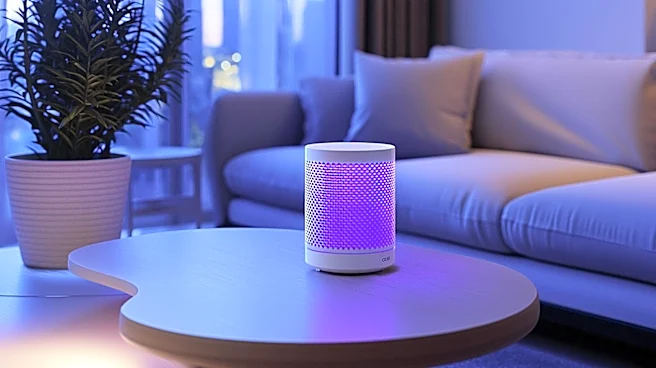
Smart lighting systems are being utilized to create 'low-stimulus' home environments aimed at improving well-being by reducing sensory overload. These systems, exemplified by platforms like Homey, adjust lighting dynamically throughout the day. For instance,
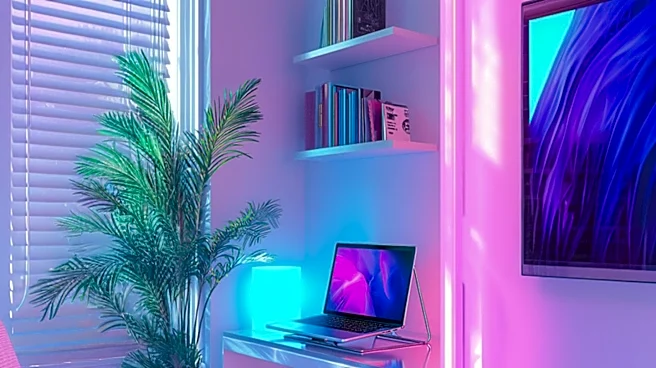
lights can gradually brighten with cooler tones in the morning and shift to warmer, dimmer tones in the evening, aligning with natural circadian rhythms. This approach minimizes harsh bright lights and unexpected illumination, which can negatively impact sleep, focus, and overall peace. Beyond just brightness and color temperature, these smart home setups can also integrate with sound and climate control to create a holistic calming atmosphere. The goal is to make technology seamlessly adapt to residents' needs, fostering relaxation rather than adding to daily stressors. Such systems allow for personalized 'flows' or 'scenes' that automate lighting changes based on activities like waking up, winding down, or watching a movie, ensuring the environment consistently supports a calm state.
Why It's Important?
The integration of smart lighting into low-stimulus home designs represents a significant shift in how technology is used to support mental and physical well-being in the U.S. By actively reducing sensory inputs like harsh lighting and sudden changes, these systems can mitigate stress, improve sleep quality, and enhance concentration. This is particularly important in an increasingly 'always-on' society where homes often become extensions of external pressures. For individuals, this means a more restorative living space, potentially leading to better health outcomes and increased productivity. For the smart home industry, it highlights a growing market demand for solutions that prioritize user well-being over mere convenience or novelty. Manufacturers and developers who focus on creating intuitive, adaptive, and health-conscious smart home ecosystems stand to gain a competitive advantage, as consumers increasingly seek environments that actively contribute to their peace of mind and physical comfort.
What's Next?
The trend towards low-stimulus smart homes, driven by advanced lighting systems, is expected to expand as consumer awareness of well-being technology grows. Future developments will likely include more sophisticated AI integration, allowing lighting and other environmental controls to adapt even more intuitively to individual physiological states and preferences. We may see increased interoperability between different smart home devices and platforms, making it easier for consumers to build comprehensive low-stimulus environments without being locked into a single brand. Furthermore, as the health benefits become more widely recognized, there could be a push for these technologies to be incorporated into broader wellness initiatives, potentially influencing architectural design and urban planning. Businesses in the smart home sector will likely invest further in research and development to create more seamless, personalized, and health-focused solutions, moving beyond basic automation to truly intelligent and responsive living spaces.
Beyond the Headlines
The rise of low-stimulus smart lighting systems touches upon deeper societal implications regarding our relationship with technology and the built environment. Ethically, it raises questions about the extent to which technology should mediate our sensory experiences and whether over-reliance on automated environments could diminish our natural adaptability. Legally, as these systems collect more data on user habits and physiological responses, privacy concerns will become increasingly prominent, necessitating robust data protection frameworks. Culturally, the emphasis on creating 'sanctuaries' within homes reflects a growing desire to counteract the constant stimulation of modern life, suggesting a broader societal yearning for tranquility and mindfulness. This shift could lead to long-term changes in how homes are designed and perceived, moving from mere shelters to active participants in our well-being, fundamentally altering our daily interactions with our living spaces and the technology within them.