



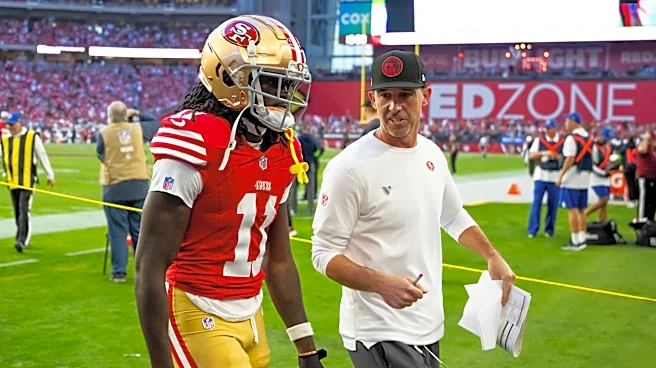
What's Happening?
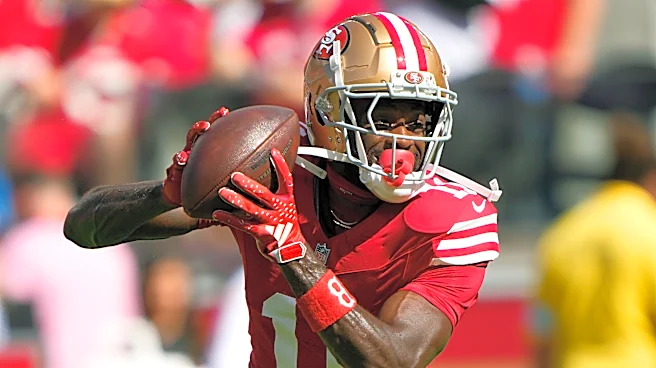
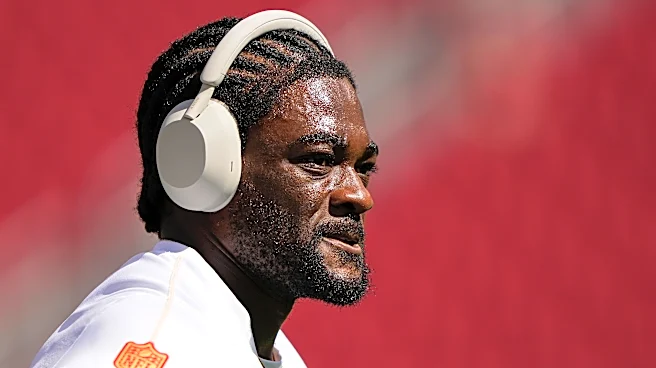
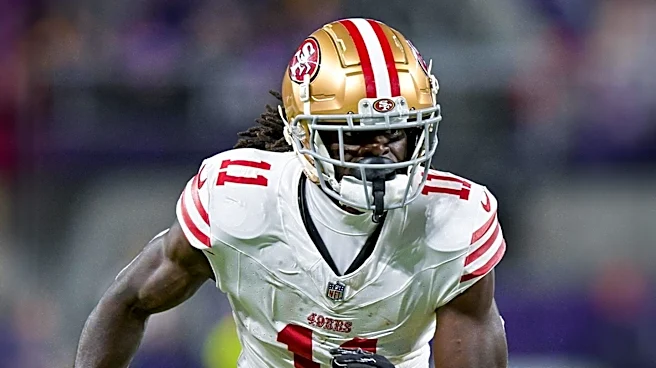
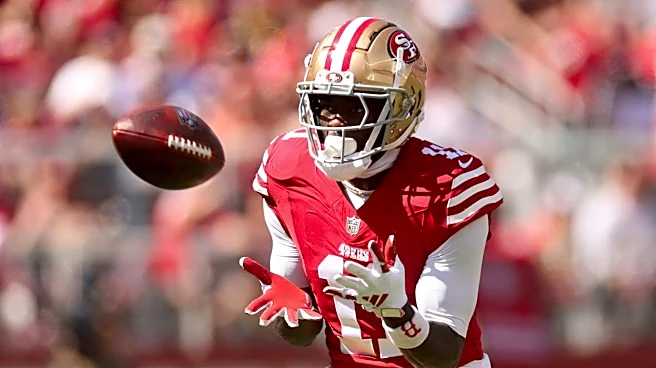
The NFL is reportedly delaying the reinstatement of wide receiver Brandon Aiyuk from the reserve/left squad list, a move linked to a $13 million repayment dispute with the San Francisco 49ers. Aiyuk, who applied for reinstatement on October 27, 2026,
after being placed on the list following an injury in the 2024 season, is facing a demand from the 49ers for the return of bonus money. According to insider Mike Florio, the NFL Commissioner has significant discretion in approving reinstatement applications, and the delay suggests the 49ers are leveraging Aiyuk's desire to return against his willingness to reimburse the funds. The dispute stems from Aiyuk's alleged failure to report for rehabilitation after his knee injury in October 2024, which the 49ers deemed 'conduct detrimental to the team,' leading them to void $27 million in guaranteed money for 2025. Aiyuk has since hired Drew Rosenhaus as his agent and met with the 49ers, but no agreement has been reached.
Why It's Important?
This situation highlights the complex financial and contractual disputes that can arise between professional athletes and their teams in the NFL. The reported $13 million repayment demand from the 49ers, following the voiding of $27 million in guaranteed money, underscores the significant financial risks players face when perceived to be in breach of contract. For the 49ers, recovering these funds could impact their salary cap and future roster decisions. For Aiyuk, the delay in reinstatement and the financial demand could severely affect his career trajectory and earning potential. The involvement of the NFL Players Association and the Commissioner's discretion in such matters also emphasizes the power dynamics within the league, where teams can exert considerable leverage over players, particularly when contractual obligations are disputed. This case could set a precedent for how similar disputes are handled in the future, influencing player conduct and team management strategies across the league.
What's Next?
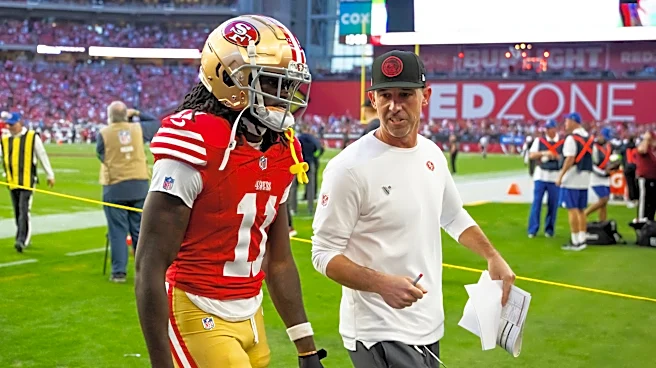
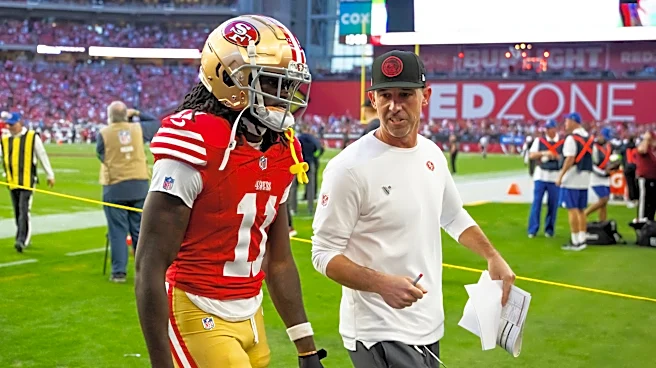
Brandon Aiyuk's future with the San Francisco 49ers remains uncertain as both sides have yet to reach an agreement following their recent 75-minute meeting. The NFL's continued delay in his reinstatement suggests ongoing pressure for Aiyuk to address the $13 million repayment. If an agreement is reached, the 49ers have three potential options: release Aiyuk, trade him to another team, or reinstate him to their 53-man roster. However, a trade is considered unlikely due to his diminished value after public comments and the financial implications for the team. Head coach Kyle Shanahan has indicated a lack of interest in Aiyuk's return, stating the situation 'has zero to do with our football team.' The resolution of this dispute will likely involve further negotiations between Aiyuk's new agent, Drew Rosenhaus, the 49ers, and potentially the NFL Players Association, to determine the financial terms and Aiyuk's playing status.
Beyond the Headlines
The dispute between Brandon Aiyuk and the San Francisco 49ers extends beyond a simple contract disagreement, touching upon deeper issues of player-team trust and the interpretation of contractual obligations in professional sports. The 49ers' decision to void guaranteed money and demand repayment for bonuses, citing 'conduct detrimental to the team' due to Aiyuk's failure to report for rehab, raises questions about the extent of team control over player recovery and personal conduct. Aiyuk's public criticism of the team, including calling the general manager 'creepy' and the head coach a 'toddler,' further complicates the relationship and highlights the emotional toll such disputes can take. This situation could prompt a re-evaluation of standard player contracts and the clauses related to injury rehabilitation and player conduct, potentially leading to more explicit terms or stronger protections for athletes. The outcome may also influence how players approach injury recovery and their interactions with team management, emphasizing the need for clear communication and mutual understanding to prevent similar breakdowns.