




What's Happening?
Berkshire Hathaway's 13F filing for the quarter ending September 30 revealed its top dividend-yielding stock holdings: Kraft Heinz (6.0%), Chevron (3.4%), and Sirius XM (3%). The filing, submitted on November 16, showed that Berkshire Hathaway maintained
the same number of shares in all three companies as it did in the previous quarter. Kraft Heinz, despite its high yield, is experiencing a shrinking business, with net sales falling 2.0% and adjusted operating income decreasing by 15.2% in the third quarter. Chevron's dividend is well-covered, utilizing about half of its free cash flow, and has seen 39 consecutive years of increases. Sirius XM's stock has recently surged, up 26% from its September 30 price, nearing its 52-week high. Analysts have adjusted their price targets for these companies, with Chevron showing the most potential upside.
Why It's Important?
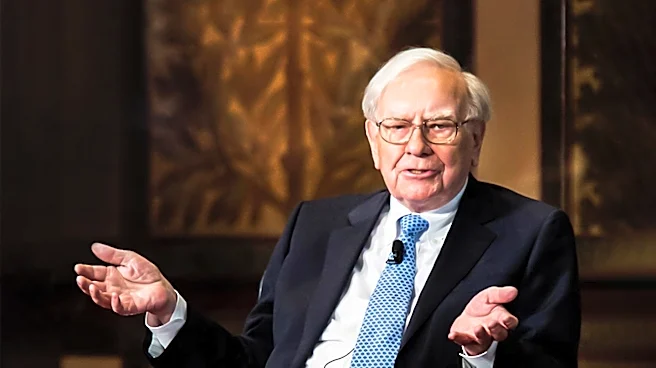
The investment decisions of Berkshire Hathaway, led by Warren Buffett, are closely watched by the market, as they often signal broader trends or validate specific company valuations. For U.S. investors, these holdings represent significant positions in established American companies. Chevron's strong dividend coverage and consistent increases make it an attractive option for income-focused investors, particularly given its resilience in varying oil price environments. The performance of Kraft Heinz highlights the challenges faced by some legacy consumer goods companies in maintaining growth, even with a high dividend yield. Sirius XM's recent stock appreciation suggests investor confidence in its business model, though its valuation is now closer to analyst targets. These insights can influence individual investor strategies and market sentiment towards these sectors.
What's Next?
Investors will be monitoring the upcoming financial reports from these companies for further insights. Chevron is expected to announce its 2027 capital program in December, with its full-year results due in late January, which will likely include an update on its dividend. Analysts anticipate a decrease in Chevron's normalized EPS and free cash flow by 2028 as the 'war premium' in oil prices fades, which could impact future dividend cushions. For Kraft Heinz, the focus will be on whether CEO Steve Cahillane's turnaround strategy for the U.S. business and international growth initiatives begin to show tangible results in future earnings reports. Berkshire Hathaway's next 13F filing, due by mid-February, will reveal any changes in its holdings of these companies, providing further signals to the market.
Beyond the Headlines
The differing performance and outlooks of these three Berkshire Hathaway holdings underscore the complexities of dividend investing. While a high dividend yield like Kraft Heinz's can be appealing, it must be weighed against underlying business fundamentals and growth prospects. Chevron's situation illustrates how geopolitical events (like the war-driven oil price surge) can temporarily boost financial performance, but long-term sustainability depends on core operational efficiency and strategic capital allocation. Sirius XM's trajectory reflects the dynamic nature of the media and entertainment sector, where subscriber growth and content differentiation are crucial. These examples highlight the importance of a holistic investment analysis that goes beyond just dividend yield, considering factors like free cash flow, earnings growth, and market sentiment, especially for large-cap U.S. companies.