







What's Happening?
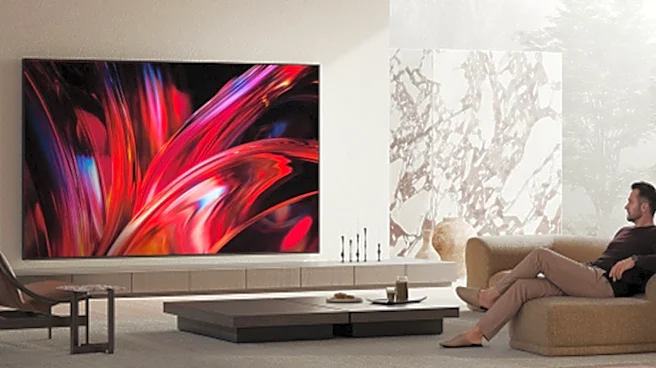
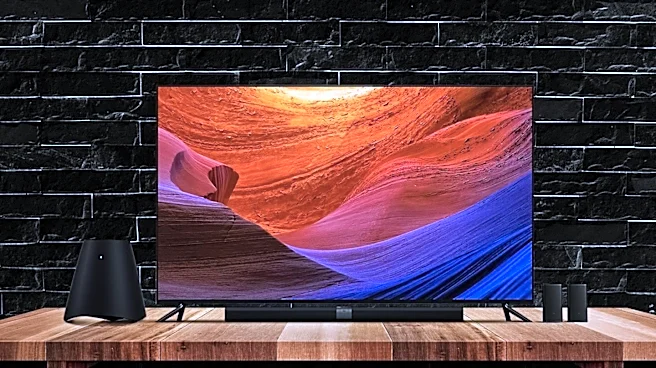
OLED TVs, known for their superior picture quality, continue to be a popular choice for consumers in 2026. OLED, or organic light-emitting diode technology, allows each pixel to emit its own light, providing exceptional color accuracy and contrast compared
to LCDs, which rely on a backlight. This technology enables OLED screens to display a wider range of colors and achieve true blacks by turning off individual pixels. Despite improvements in LCD technology, OLEDs remain favored for their faster response times, making them ideal for gaming and fast-paced content. However, OLED panels are more expensive to produce, often resulting in their inclusion in flagship models with high-end features. While OLEDs offer impressive visuals, they are still susceptible to burn-in, a concern for viewers who frequently watch static content like news or sports.
Why It's Important?
The ongoing debate over the value of OLED TVs highlights the broader consumer electronics market's focus on balancing cost with performance. As OLED technology continues to evolve, it influences consumer expectations for picture quality and device features. The premium pricing of OLEDs reflects their advanced capabilities, but also poses a challenge for budget-conscious consumers. This dynamic affects purchasing decisions and drives competition among manufacturers to innovate and offer diverse options. The preference for OLEDs underscores the importance of visual quality in consumer electronics, impacting how companies design and market their products.
What's Next?
As technology advances, the gap between OLED and LCD may narrow, potentially leading to more affordable OLED options. Manufacturers are likely to continue enhancing OLED technology to address issues like burn-in and production costs. Consumer demand for high-quality visuals will drive further innovation, possibly resulting in new display technologies that combine the best features of OLED and LCD. The market will also see increased competition as brands strive to offer the best value, pushing for advancements in both OLED and alternative technologies.