
What's Happening?
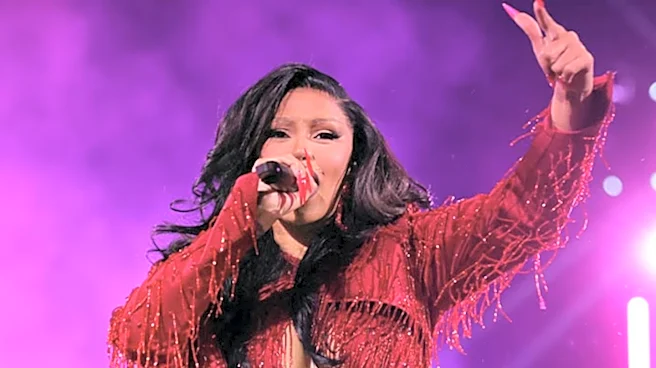
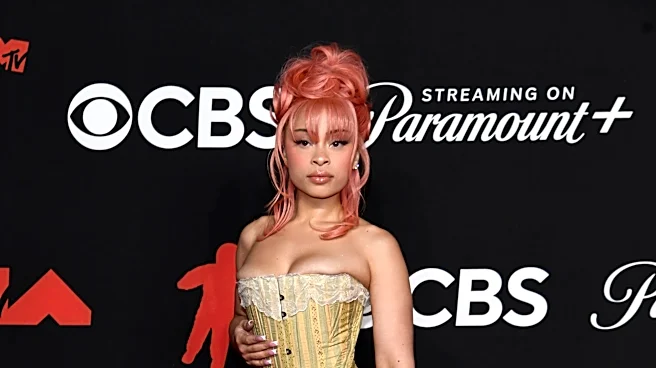
GloRilla recently addressed rumors concerning a strained friendship with Megan Thee Stallion during an X Spaces live conversation on Saturday, November 21. While not directly naming Megan Thee Stallion, GloRilla discussed the complexities of friendships
when mutual support is not reciprocated. She stated her belief in wanting everyone to succeed but noted that sometimes others do not share the same sentiment. GloRilla highlighted that conflict arises when support is not reciprocated, suggesting that some people want to see others do well but not necessarily better than themselves. The two artists had previously collaborated on tracks like 'Wanna Be' and its remix with Cardi B, and 'Accent,' and GloRilla joined Megan Thee Stallion's Hot Girl Summer Tour in 2024, publicly displaying mutual affection. Rumors of a rift began in 2025 after fans observed both artists unfollowing each other on Instagram, following GloRilla's repost of Tory Lanez's 'Y.D.L.R.' Megan Thee Stallion has been vocal about Tory Lanez, who was convicted of shooting her in 2020, though GloRilla clarified her repost was innocent. Further speculation arose from online exchanges involving Megan Thee Stallion's former stylist, EJ King, who began working with GloRilla, and Megan Thee Stallion's hairstylist, Kellon Deryck, as well as comparisons of their album performances and social media activity.
Why It's Important?
This development is important within the music industry, particularly in the hip-hop and rap community, as it sheds light on the dynamics of professional and personal relationships between prominent artists. The public nature of these rumored disputes, often fueled by social media activity and fan speculation, can impact artists' public image, collaborations, and fan bases. For artists like GloRilla and Megan Thee Stallion, who have significant influence and fan engagement, any perceived conflict can lead to increased media scrutiny and fan division. The emphasis on mutual support and the challenges of unreciprocated feelings resonate beyond the entertainment industry, touching on universal themes of professional relationships and personal boundaries. The situation also highlights the role of social media in amplifying rumors and shaping public perception, demonstrating how online interactions can be interpreted as indicators of real-world relationships, even without direct confirmation from the artists involved. This ongoing narrative could influence future collaborations or individual career trajectories within the competitive music landscape.
What's Next?
The immediate future may see continued speculation from fans and media regarding the nature of GloRilla and Megan Thee Stallion's relationship. While GloRilla has addressed the rumors indirectly, neither artist has explicitly confirmed a personal dispute. This lack of direct confirmation leaves room for ongoing interpretation and discussion within their respective fan communities. Future interactions, or lack thereof, between the two artists, whether on social media, in interviews, or through potential collaborations, will likely be closely monitored for further clues. The situation could also influence how artists manage their public image and social media presence to mitigate or address rumors. Additionally, the broader conversation about mutual support and professional relationships in the music industry may continue, potentially prompting other artists to reflect on and discuss similar experiences. The impact on their individual careers or potential future collaborations remains to be seen, but public perception will undoubtedly continue to be shaped by these ongoing discussions.
Beyond the Headlines
Beyond the immediate headlines, this situation underscores the intense pressure and scrutiny faced by public figures, particularly in the entertainment industry. The rapid spread of rumors, often based on indirect social media cues like unfollowing, highlights the challenges artists face in maintaining privacy and controlling their narratives. It also brings to light the ethical considerations of fan culture, where speculation can quickly escalate into perceived conflict, potentially impacting artists' mental well-being and professional relationships. The discussion around 'hating' or lack of reciprocal support touches on deeper societal issues of competition versus collaboration, especially among women in male-dominated industries. This scenario serves as a case study for how digital interactions can be misconstrued or exaggerated, leading to public narratives that may not fully reflect the reality of personal relationships. It also prompts reflection on the responsibility of both artists and their audiences in fostering a supportive environment, rather than one fueled by perceived rivalries.