
What's Happening?
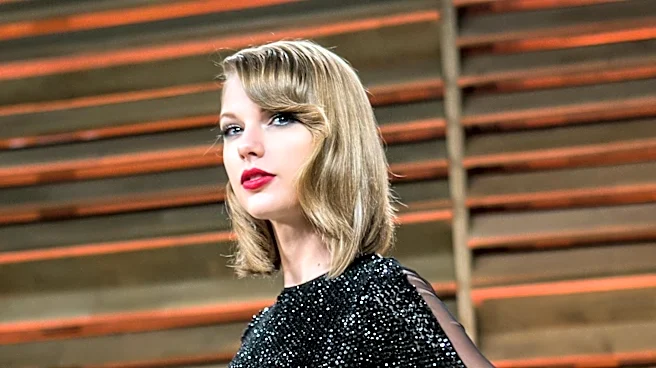
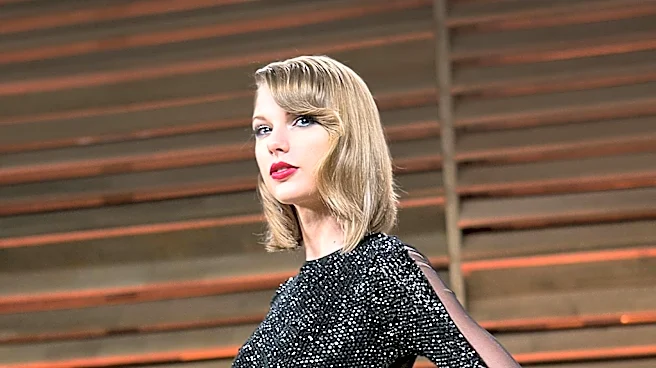
Condé Nast, the publisher of Vanity Fair and Vogue, reportedly requested exclusive wedding photos from Taylor Swift on two separate occasions months before Vanity Fair published a critical profile of her.
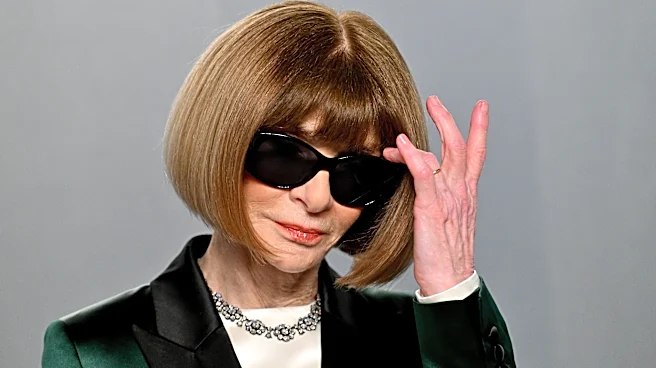
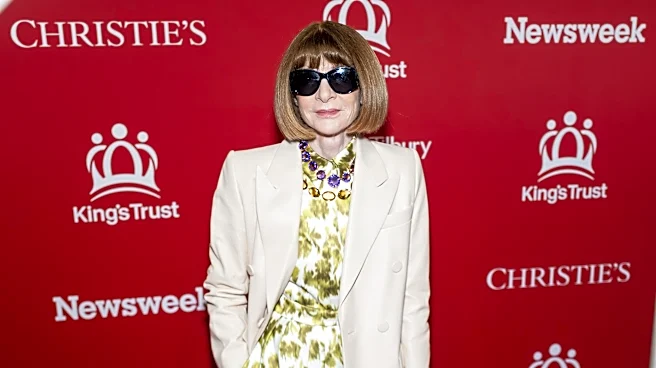
According to unnamed sources, the publisher sought images from Swift's July wedding to Travis Kelce, which took place at Madison Square Garden in New York City. Swift reportedly declined these requests politely. The Vanity Fair article, published on November 23, was titled 'The Star' and delved into alleged conflicts within Swift's personal and professional life, drawing on over 100 sources. One source quoted in the article compared Swift to Regina George from 'Mean Girls.' This development follows a long-standing relationship between Swift and Condé Nast, which includes her appearances on multiple Vogue covers and a friendship with Anna Wintour, Condé Nast’s global chief content officer and Vogue’s global editorial director. Swift and Kelce have not publicly released any photos from their wedding, which was officiated by Adam Sandler and featured performances by Stevie Nicks and Paul McCartney for approximately 1,000 guests.
Why It's Important?
This situation highlights potential tensions between major media organizations and high-profile celebrities, particularly concerning editorial independence versus access. The timing of Condé Nast's alleged requests for wedding photos, followed by a critical article in one of its flagship magazines after those requests were declined, could raise questions about journalistic ethics and potential retaliatory publishing. For celebrities like Taylor Swift, who carefully manage their public image, such incidents can impact their relationships with media outlets and influence future collaborations or access. For Condé Nast, maintaining trust with both its readership and the public figures it covers is crucial for its reputation and business model. The incident could also influence how other celebrities engage with media requests, potentially leading to increased caution or stricter terms for exclusive content, thereby affecting the broader entertainment journalism landscape.
What's Next?
The immediate aftermath may involve continued public discussion and speculation regarding the motivations behind the Vanity Fair article and Condé Nast's editorial practices. While the source explicitly states that the refusal of wedding photos does not establish a direct link to the article's content, the perceived connection could lead to further scrutiny. Taylor Swift's team may choose to address the situation publicly or privately, potentially impacting her future interactions with Condé Nast publications. Other celebrities might observe this situation closely, potentially adjusting their strategies for media engagement and exclusive content distribution. Condé Nast may face internal or external pressure to clarify its editorial processes, especially concerning stories involving individuals from whom they have previously sought exclusive content. The broader media industry might also reflect on the implications of such perceived conflicts of interest.
Beyond the Headlines
Beyond the immediate news, this event touches upon the evolving dynamics of power between celebrity culture and traditional media. In an era where celebrities often control their narratives through social media, traditional publishers increasingly rely on exclusive access to maintain relevance. When such access is denied, the editorial approach can become a point of contention. This incident could fuel broader discussions about the ethics of 'access journalism' and whether a publication's pursuit of exclusive content can influence its editorial stance. It also underscores the commercial value of celebrity milestones, such as weddings, and the competitive nature of securing such content. The perceived shift from a long-standing positive relationship to a critical one could also signal a change in how media outlets approach celebrity coverage, moving towards more investigative or critical angles even for previously favored figures, potentially reshaping the celebrity-media ecosystem.