






What's Happening?
Xcel Energy, Minnesota's largest electric utility, has proposed to freeze electricity rates for two years, postponing any rate increase requests until at least November 2028. This proposal, filed with the state Public Utilities Commission last week, comes
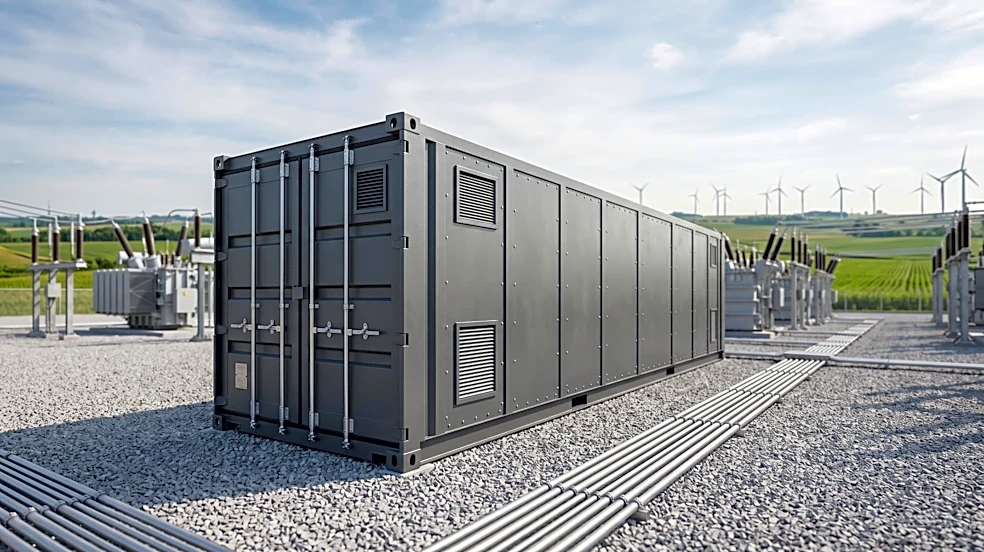
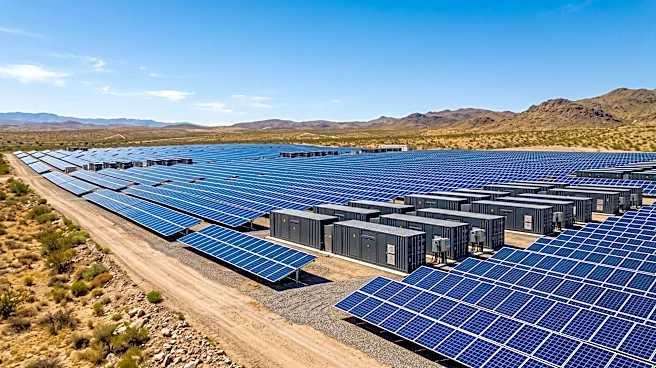
amidst growing complaints from Minnesotans regarding rising utility costs. In return for the rate freeze, Xcel Energy is seeking permission from state regulators to utilize federal tax credits from planned battery storage projects sooner than initially expected. These credits are anticipated from the federal Inflation Reduction Act and are tied to five battery projects located near the retiring Sherco coal plant in Becker, at the Blue Lake facility in Shakopee, and in Nobles County. The company states that this plan would enable it to continue investing approximately $4.5 billion into Minnesota's electric system over the next two years, helping to mitigate rising operational costs. This initiative follows a recent 5.8 percent rate increase approved by state regulators over two years, which had generated significant public opposition and prompted an investigation into the affordability of utility services.
Why It's Important?
This proposal is significant for Minnesota residents as it directly addresses concerns about electricity affordability, potentially offering a period of stable utility bills. For Xcel Energy, securing early access to federal tax credits from the Inflation Reduction Act is crucial for financing its clean energy transition and infrastructure investments without immediately passing costs onto consumers. The move highlights the increasing role of federal incentives in shaping state-level energy policy and utility operations. If approved, it could set a precedent for how other utilities leverage federal programs to manage rates and fund renewable energy projects. The Public Utilities Commission's decision will balance consumer protection against the utility's financial needs and its commitment to modernizing the electric grid, particularly as the state aims to reduce greenhouse gas emissions. This situation also underscores the ongoing tension between utility companies, regulators, and consumer advocates regarding energy costs and the pace of renewable energy adoption.
What's Next?
The Minnesota Public Utilities Commission will now review Xcel Energy's proposal to freeze electricity rates and grant early access to federal tax credits. This review will likely involve public hearings and input from various stakeholders, including consumer advocacy groups and the Minnesota Attorney General, who previously challenged Xcel's rate increases. The Commission's decision will determine the immediate future of electricity rates for Xcel Energy customers in Minnesota and could influence the company's investment strategies in renewable energy and infrastructure. If approved, Xcel Energy will proceed with its planned investments in the electric system, including the battery storage projects. If denied or modified, Xcel Energy may need to revise its financial and investment plans, potentially leading to alternative approaches for funding infrastructure upgrades or managing consumer rates. The outcome will also be closely watched by other utilities and states considering similar strategies to balance energy affordability with clean energy transitions.
Beyond the Headlines
This development reflects a broader national trend where utilities are navigating the complexities of transitioning to cleaner energy sources while managing consumer costs and leveraging federal incentives. The Inflation Reduction Act's tax credits are designed to accelerate renewable energy deployment, and Xcel Energy's proposal demonstrates a direct application of these incentives at the state level. However, the debate over whether these benefits should directly translate into immediate rate relief or be used to fund long-term infrastructure improvements highlights fundamental questions about the equitable distribution of costs and benefits in the energy transition. The situation also touches upon the evolving role of state regulatory bodies in overseeing utility operations, particularly in an era of significant technological and policy shifts in the energy sector. The outcome in Minnesota could influence regulatory approaches in other states, shaping how federal climate policies are implemented and how the financial burdens and advantages of decarbonization are shared among utilities, shareholders, and ratepayers.