






What's Happening?
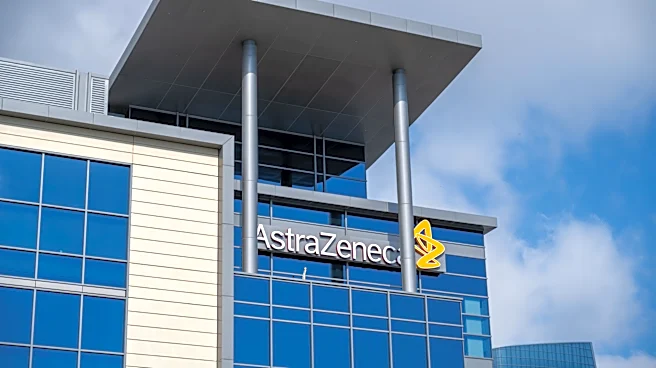
AstraZeneca, a prominent pharmaceutical company, has reconfirmed its full-year revenue and core earnings guidance following a recent trading update. The company's performance has been significantly bolstered by its cancer drugs and rare disease treatments,
which continue to drive sales and core earnings. Oncology remains the largest and fastest-growing therapy area for AstraZeneca, contributing substantially to its overall revenue. This growth in specialized areas has helped the company absorb pressures from generic competition affecting some of its established heart and kidney brands, such as Farxiga and Brilinta, which have lost exclusivity in key markets. CEO Pascal Soriot highlighted that the company's broad spread of therapy areas and wide geographic footprint are crucial in mitigating the impact of individual product pressures. The company also noted progress in its pipeline, with first late-stage data for several new products, indicating a maturing next wave of offerings.
Why It's Important?
AstraZeneca's ability to maintain its financial outlook despite generic competition underscores the strategic importance of its investment in oncology and rare disease franchises. This performance provides a degree of stability in the pharmaceutical sector, which has faced volatility due to U.S. drug pricing debates and tariff discussions. For the U.S. healthcare market, the continued success of AstraZeneca's cancer and rare disease portfolio means ongoing availability of advanced treatments, potentially impacting patient care and treatment options. The company's strategy of diversifying its therapeutic areas and geographic reach serves as a model for other pharmaceutical firms looking to navigate patent expirations and market pressures. The focus on high-growth, specialized areas like oncology allows companies to offset revenue declines from older, off-patent drugs, ensuring sustained innovation and market presence.
What's Next?
Market attention will likely shift towards AstraZeneca's full-year results and the continued progress of its pipeline candidates. Investors will closely monitor whether these new products can effectively offset future patent expirations and maintain the company's growth trajectory. Forthcoming readouts from late-stage trials are anticipated, with CEO Pascal Soriot indicating potential blockbuster candidates. The company will also need to manage ongoing pressures from volume-based procurement in markets like China, which continues to drive down prices for established medicines. The pharmaceutical industry as a whole will be watching how AstraZeneca balances its reliance on cancer and rare disease treatments with the erosion of its older primary care brands, setting a precedent for how large drugmakers adapt to evolving market dynamics and regulatory environments.
Beyond the Headlines
The sustained success of AstraZeneca's oncology division highlights a broader trend in the pharmaceutical industry: the increasing focus on specialized, high-value therapeutic areas. This shift is driven by the potential for higher profit margins and longer patent protection for innovative treatments in complex diseases like cancer and rare disorders. However, it also raises questions about equitable access to these often expensive therapies, particularly in the U.S. healthcare system. The industry's reliance on a few blockbuster drugs in these specialized fields could lead to market concentration and potential pricing challenges. Furthermore, the continuous investment in research and development for new cancer drugs underscores the ongoing global health challenge posed by cancer and the critical need for continuous innovation, even as older, more affordable drugs face generic competition.