


What's Happening?
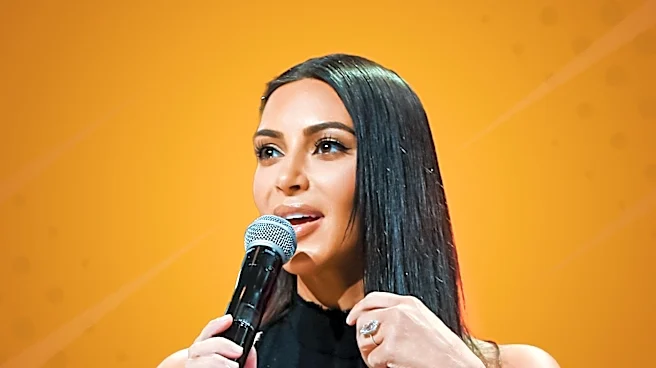
Khloé Kardashian recently expressed strong disapproval of her ex-husband, Lamar Odom, after watching interviews and a Netflix documentary about his life and their marriage. In an episode of 'The Kardashians,' she told her sister Kim Kardashian that she felt
'played' and described Odom as 'sociopathic' and a 'pathological liar.' Her reaction was triggered by a clip where Odom discussed their past, stating he hoped Khloé had 'healed by now.' Khloé questioned Odom's anger towards her in these public statements, emphasizing that those close to them witnessed the true dynamics of their relationship. Kim Kardashian also admitted that watching the documentary changed her perspective, making her realize how much Odom had 'used' Khloé during their marriage.
Why It's Important?
This public criticism from Khloé Kardashian highlights the ongoing emotional repercussions of high-profile relationships and their portrayal in media. For public figures, personal narratives often become subjects of documentaries and interviews, which can reignite past conflicts and emotional wounds. Kardashian's strong reaction underscores the pain and betrayal she felt, particularly as she believed the documentary would offer a broader perspective on Odom's life, not just focus on their marriage. This situation also brings to light the challenges individuals face when their private lives are dissected publicly, and how differing interpretations of shared history can lead to renewed conflict. It also reflects the broader societal impact of celebrity narratives on public perception and the emotional toll on those involved.
What's Next?
The public airing of Khloé Kardashian's grievances against Lamar Odom is likely to generate further media attention and discussion, particularly within entertainment news and social media. Odom may choose to respond to Kardashian's comments, potentially escalating the public dispute. This situation could also influence how future documentaries or public narratives about celebrity relationships are perceived, with increased scrutiny on the perspectives presented and the potential emotional impact on all parties involved. For Khloé Kardashian, this public statement signifies a continued process of processing her past relationship and asserting her narrative, potentially leading to further discussions about trust and healing in her future public appearances or projects.
Beyond the Headlines
This incident delves into the complex ethical considerations surrounding the public recounting of personal histories, especially when one party feels misrepresented or exploited. The 'sociopathic' label, while emotionally charged, points to a deeper sense of betrayal and manipulation that Kardashian perceives. It raises questions about the responsibility of documentarians and interviewers to present balanced narratives, particularly when one subject's account can deeply affect another's emotional well-being and public image. Furthermore, the dynamic between Khloé and Lamar, as portrayed through their respective media appearances, illustrates the lasting psychological impact of tumultuous relationships and the difficulty of achieving closure when personal stories are continually re-examined in the public sphere. It also highlights the power of media to shape public opinion and influence personal healing processes.