







What's Happening?
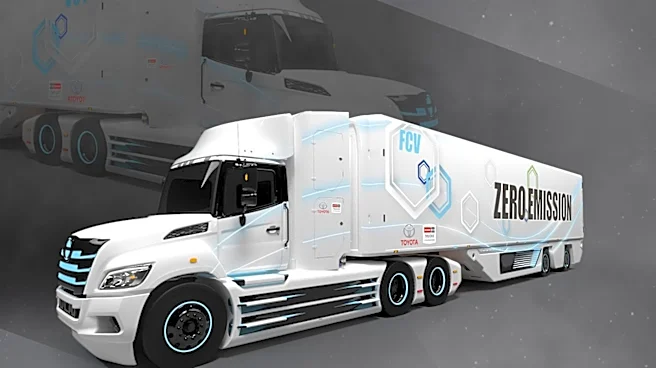
Toyota Motor North America's Hydrogen Headquarters (H2HQ) division is making significant strides in developing and implementing hydrogen fueling solutions for heavy-duty fuel cell trucks in the U.S. The company recently installed two mobile hydrogen fueling devices
at its largest parts distribution facility, the North American Parts Center California (NAPCC). These mobile fuelers are intended to support Toyota's commercial logistics fleets, enabling heavy-duty fuel cell trucks to transport freight from the Port of Los Angeles to Ontario and other regional destinations. A permanent hydrogen fueling station is also planned for the NAPCC site. Additionally, Toyota is engaged in a public-private partnership with the U.S. Department of Energy’s National Laboratory of the Rockies (NLR) in Golden, Colorado, to research high-flow hydrogen fueling technology for heavy-duty trucks. This research focuses on 70 MPa high-flow fueling, which allows trucks to accept hydrogen at speeds up to 300g/s, approximately five times faster than conventional light-duty fueling technology, making refueling times comparable to modern diesel trucks.
Why It's Important?
This initiative by Toyota is crucial for the decarbonization of the U.S. commercial transportation sector, particularly for heavy-duty trucking, which is a significant contributor to emissions. By developing and deploying advanced hydrogen fueling infrastructure and technology, Toyota is addressing a key barrier to the widespread adoption of fuel cell electric vehicles (FCEVs) in logistics and freight operations. The ability to refuel heavy-duty trucks in about eight minutes for a range of up to 450 miles, as demonstrated by Toyota and NLR, makes hydrogen FCEVs a viable and competitive alternative to diesel trucks. This development could lead to reduced air pollution, lower operational costs for fleets in the long term, and enhanced energy independence through diversified fuel sources. The collaboration with a national laboratory also signifies a concerted effort to accelerate technological advancements and establish industry standards for hydrogen fueling, benefiting the broader U.S. energy and transportation landscape.
What's Next?
Over the coming months, Toyota plans to upgrade its private fueling infrastructure at its H2HQ to the same high-flow standard for testing heavy-duty vehicles. The company also intends to install new equipment for light passenger fuel cell electric vehicles to evaluate station hardware and share insights to improve operations and reliability. When the publicly available permanent station at NAPCC becomes operational, it will offer both conventional and high-flow hydrogen fueling for heavy-duty trucks, alongside a separate area for light-duty vehicles. Production Toyota-powered trucks are anticipated to begin commercial operations in 2027. These steps indicate a phased approach to expanding hydrogen infrastructure and integrating fuel cell technology into various segments of the U.S. vehicle market, with a clear focus on commercial viability and widespread adoption.
Beyond the Headlines
The advancements in hydrogen fueling technology by Toyota and its partners have broader implications for the U.S. energy transition and industrial policy. The focus on high-flow fueling addresses a critical challenge for heavy-duty applications, where rapid refueling is essential for operational efficiency. This could spur further investment in hydrogen production, distribution, and storage infrastructure across the country, creating new jobs and fostering innovation in the clean energy sector. The public-private partnership model also highlights a strategic approach to leveraging government research capabilities with private sector innovation to tackle complex technological hurdles. As hydrogen fuel cells emit only water, their widespread adoption could significantly improve air quality in port areas and major transportation corridors, contributing to public health benefits and environmental sustainability goals. This move positions the U.S. to potentially become a leader in hydrogen-powered logistics.