
What's Happening?
Shein, along with other ultra-fast fashion retailers, is facing increased costs due to new EU tariffs on low-value packages, which could lead to price hikes. The U.S. has also removed duty exemptions on small
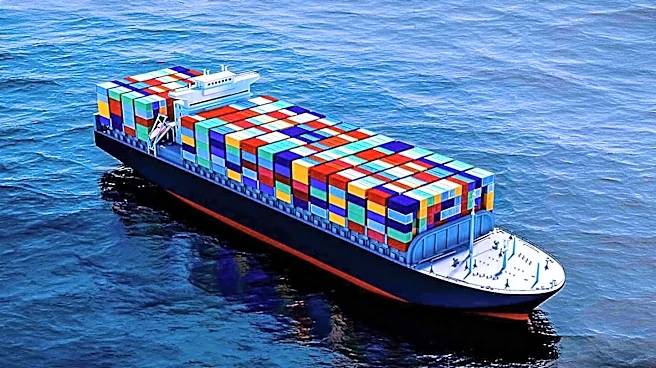
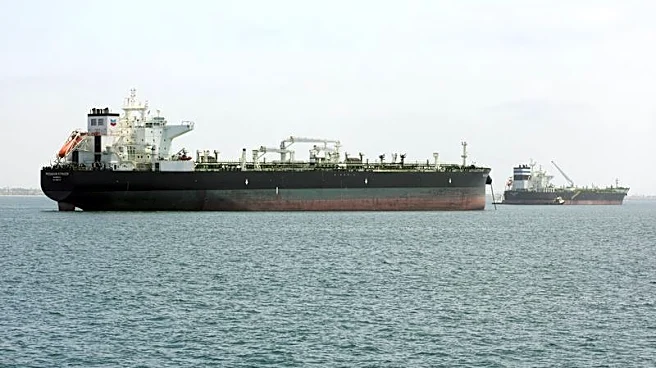
packages, contributing to Shein's reported $99 million loss in the first quarter. Geopolitical tensions, such as those involving Iran, are further complicating logistics and increasing shipping costs. These developments are pressuring Shein's business model, which relies on selling inexpensive products directly to consumers.
Why It's Important?
The new tariffs and geopolitical tensions highlight the vulnerabilities in the ultra-fast fashion business model, which depends on low-cost production and distribution. The increased costs could lead to higher prices for consumers, potentially affecting demand. This situation also underscores the broader impact of international trade policies and geopolitical events on global supply chains and consumer markets. Companies like Shein may need to adapt by finding new logistical solutions or shifting production closer to key markets.
What's Next?
Shein and similar companies may explore expanding their logistics capabilities in Europe or relocating some production to mitigate the impact of tariffs. The fast fashion industry is expected to continue adapting to these challenges by leveraging its flexibility and exploring new market strategies. The ongoing geopolitical tensions and regulatory changes will likely influence future business decisions and market dynamics.