







What's Happening?
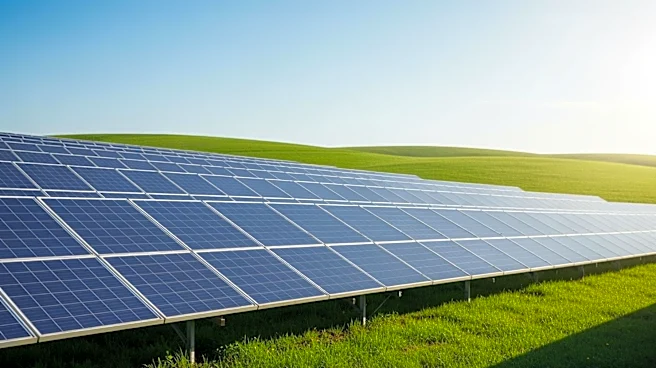
Ørsted, a leading renewable energy company, has announced its 'Next Zero' strategy aimed at achieving net-zero greenhouse gas emissions across its entire value chain by 2040. This initiative marks a new phase in Ørsted's sustainability journey, focusing
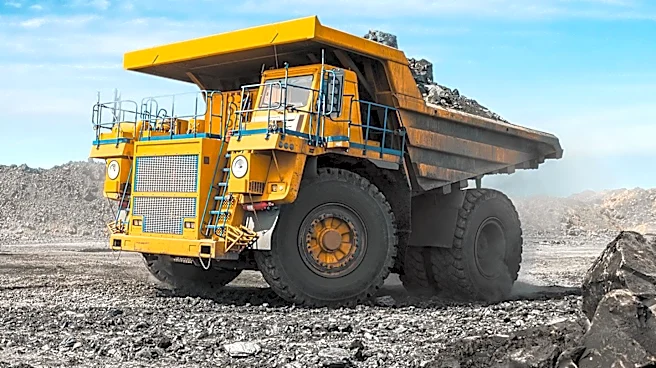
on emissions beyond its direct operations. The strategy targets emissions associated with the design, construction, manufacturing, transportation, and operation of offshore wind farms. Ørsted plans to address these emissions through industrial electrification, engineering innovation, and extensive collaboration with suppliers. The company has already made significant progress, with renewable energy accounting for 99% of its energy production and a 98% reduction in operational emissions since 2006. However, Ørsted recognizes that a substantial portion of emissions occurs during the development and construction stages of offshore wind projects, primarily from materials like steel and copper.
Why It's Important?
Ørsted's 'Next Zero' strategy is significant as it sets a precedent for the renewable energy industry to address emissions throughout the entire value chain, not just operational emissions. This move could drive structural changes across industrial supply chains, increasing demand for low-carbon materials such as steel and copper. The strategy also highlights the importance of collaboration with suppliers to achieve deep decarbonization. Ørsted's commitment could influence other companies in the renewable energy sector to adopt similar strategies, potentially accelerating the transition to a low-carbon economy. The initiative is expected to have a long-term impact on the market for green materials, with potential price premiums for low-emission products.
What's Next?
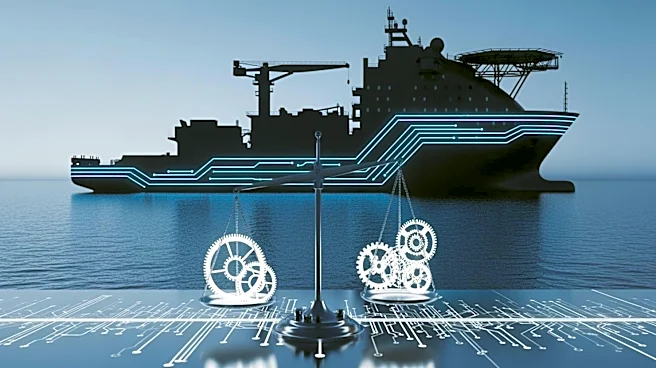
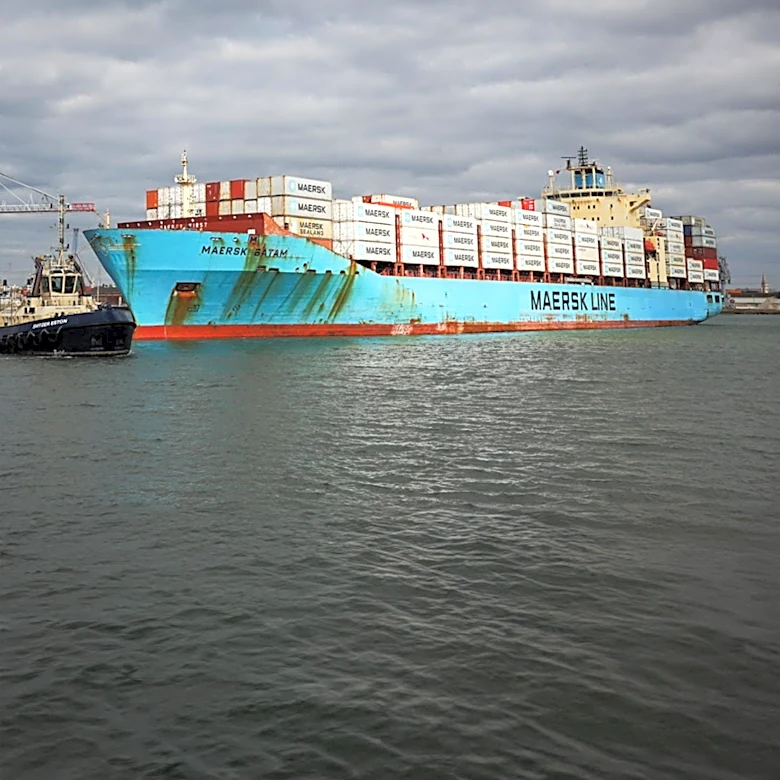
Ørsted plans to continue its collaboration with over 50 strategic suppliers to reduce emissions from key materials and processes. The company is working on initiatives such as dual-fuel methanol systems for marine transportation and low-emission steel products for wind farm foundations. These efforts are expected to significantly reduce emissions associated with offshore wind projects. Ørsted's strategy may also lead to increased investment in cleaner production technologies and innovations in renewable energy infrastructure. As the company progresses towards its 2040 net-zero target, it will likely influence industry standards and regulatory frameworks, encouraging broader adoption of sustainable practices.
Beyond the Headlines
The 'Next Zero' strategy could have broader implications for the renewable energy sector, including ethical and cultural shifts towards sustainability. By demonstrating the feasibility of full value-chain decarbonization, Ørsted is setting a benchmark for corporate responsibility in addressing climate change. This approach may inspire other industries to consider the environmental impact of their entire supply chains, leading to more comprehensive sustainability strategies. Additionally, Ørsted's focus on innovation and collaboration could foster a culture of continuous improvement and partnership within the industry, driving further advancements in green technology.