






What's Happening?
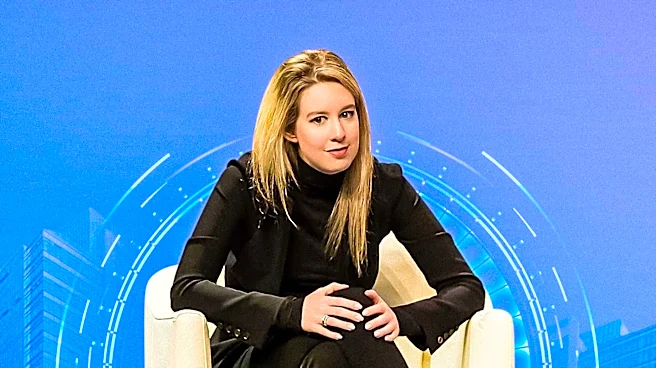
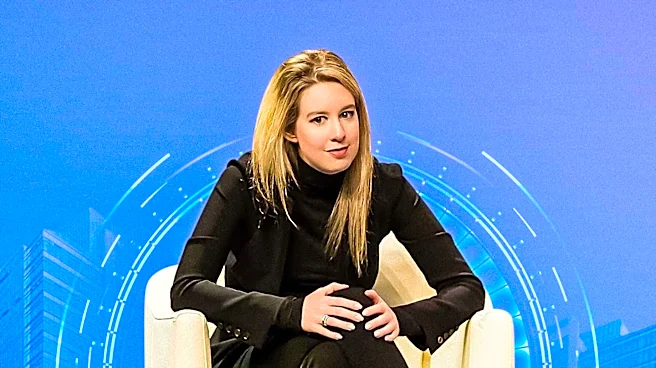
Oscar-winning documentarian Errol Morris is contemplating the release of a previously unseen two-hour interview with Elizabeth Holmes, conducted during the height of Theranos's success. Morris, known for films like 'The Thin Blue Line,' revealed that
he filmed the interview when Holmes was widely celebrated and featured on the covers of prominent magazines. At the time, Morris was involved in advertising for Theranos and stated he had no reason to suspect fraud. He believes releasing this footage would offer a unique comparison between Holmes's public persona before her downfall and her current situation, as depicted in recent documentaries like A24's 'You Can See Everything.' Morris had previously attempted to create a documentary about Holmes but faced obstacles due to ongoing litigation and her indictment.
Why It's Important?
The potential release of this interview is significant because it offers a rare glimpse into Elizabeth Holmes's mindset and demeanor during her period of perceived triumph, before the unraveling of Theranos. This footage could provide invaluable context for understanding the narrative surrounding her, offering a direct contrast to the post-scandal portrayals. For legal and ethical scholars, it could illuminate the psychological aspects of corporate leadership and the dynamics of public perception versus reality. For the public, it would add another layer to the already complex story of Theranos, potentially influencing how Holmes is viewed and understood. The interview's timing—before the fraud was exposed—makes it a unique historical document that could shed light on the early stages of a major corporate scandal.
What's Next?
Should Errol Morris decide to release the unedited interview, it would likely generate considerable media attention and further fuel public discussion about Elizabeth Holmes and the Theranos case. This release could prompt new analyses and interpretations of her actions and motivations, potentially influencing future documentaries, books, and academic studies on corporate fraud and leadership. It would also add to the growing body of media content surrounding Holmes, which has seen a resurgence in popularity with the recent success of A24's 'You Can See Everything.' The decision to release the footage would involve navigating legal and ethical considerations, given the sensitive nature of the subject matter and Holmes's current incarceration. The impact on public opinion and the ongoing legacy of the Theranos scandal would be substantial.
Beyond the Headlines
The prospect of viewing Elizabeth Holmes at the zenith of her influence, unaware of the impending collapse, offers a profound opportunity for reflection on the nature of ambition, self-deception, and the mechanisms of belief. This interview could serve as a powerful case study in the psychology of leadership, particularly in high-pressure, innovative environments. It might reveal how charismatic figures can project an image of certainty that convinces both themselves and others, even in the absence of tangible results. Furthermore, it could highlight the role of media and public relations in shaping narratives around emerging technologies and their founders, and how easily these narratives can be manipulated or misconstrued. The footage could also spark discussions about the responsibility of journalists and documentarians in presenting complex figures and events, especially when their subjects are at different stages of their public and legal journeys.