






What's Happening?
Spirit AeroSystems, a wholly-owned subsidiary of The Boeing Company, is actively recruiting for various positions in Kansas, including an Associate Integrated Business Team Leader and an Engineering Senior Manager. The company, which specializes in designing
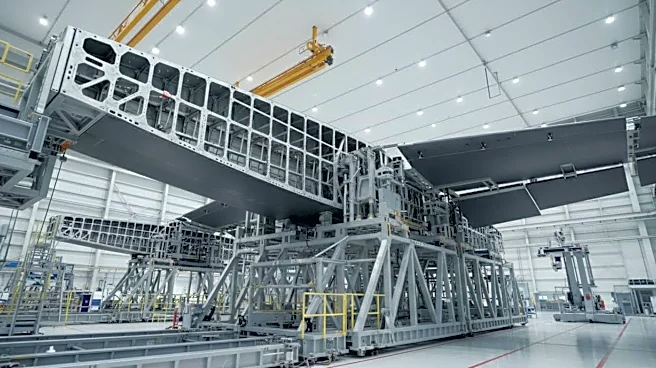
and building commercial aerostructures such as fuselages, pylons, nacelles, and wing components, emphasizes innovative composite and aluminum manufacturing solutions. For employees based in Kansas, Spirit AeroSystems highlights the potential eligibility for a $5,000 state Aviation tax credit for up to five years. The Associate Integrated Business Team Leader role offers a summary pay range of $61,950 to $95,000, while the Engineering Senior Manager position has a pay range of $142,500 to $218,500. Certain roles within the Defense Business Unit require U.S. Citizenship and an active U.S. Secret Security Clearance, underscoring the company's involvement in sensitive defense projects. The company is committed to fostering an inclusive environment and providing opportunities for professional growth.
Why It's Important?
The recruitment drive by Spirit AeroSystems in Kansas is significant for several reasons. Firstly, it indicates continued investment and job creation in the U.S. aerospace manufacturing sector, particularly in a state with a strong aviation industry presence. The availability of a state Aviation tax credit serves as a powerful incentive, potentially attracting skilled labor to Kansas and bolstering the local economy. This initiative could help retain talent within the state and encourage new residents to relocate, contributing to economic growth and stability. Furthermore, Spirit AeroSystems' focus on innovative manufacturing solutions for commercial aerostructures suggests ongoing advancements in aviation technology, which can enhance the competitiveness of the U.S. aerospace industry globally. The diverse range of roles, from business leadership to engineering, reflects a comprehensive approach to talent acquisition, ensuring a robust workforce capable of supporting both commercial and defense projects. The requirement for U.S. Citizenship and security clearance for defense roles also highlights the strategic importance of these positions for national security.
What's Next?
Spirit AeroSystems is expected to continue its recruitment efforts, leveraging incentives like the Kansas Aviation tax credit to attract qualified candidates. The company will likely focus on filling critical roles to support its ongoing projects with Boeing Commercial Airplanes and its Defense Business Unit. Potential applicants will need to assess their eligibility for the tax credit and meet the specific requirements for each position, including U.S. Citizenship and security clearances where applicable. The success of these recruitment drives could influence future investment decisions by Spirit AeroSystems and other aerospace companies in Kansas, potentially leading to further expansion and job creation. The state of Kansas may also evaluate the effectiveness of its aviation tax credit in attracting and retaining talent, potentially adjusting the program to maximize its impact. As the aerospace industry evolves, Spirit AeroSystems will likely continue to adapt its manufacturing processes and talent acquisition strategies to meet emerging demands and technological advancements.
Beyond the Headlines
Beyond the immediate job opportunities, Spirit AeroSystems' recruitment efforts and the Kansas Aviation tax credit highlight a broader trend of states using targeted incentives to foster economic development in key industries. This approach can create a competitive landscape among states vying for high-tech manufacturing and engineering jobs. The emphasis on innovative composite and aluminum manufacturing solutions also points to the evolving nature of aerospace engineering, with a continuous drive towards lighter, more efficient, and more durable aircraft components. This technological push has implications for environmental sustainability, as more efficient aircraft contribute to reduced fuel consumption and emissions. Furthermore, the dual focus on commercial and defense projects underscores the interconnectedness of these sectors, with advancements in one often benefiting the other. The need for U.S. Citizenship and security clearance for defense roles also raises questions about the balance between global talent acquisition and national security concerns in critical industries.