
What's Happening?
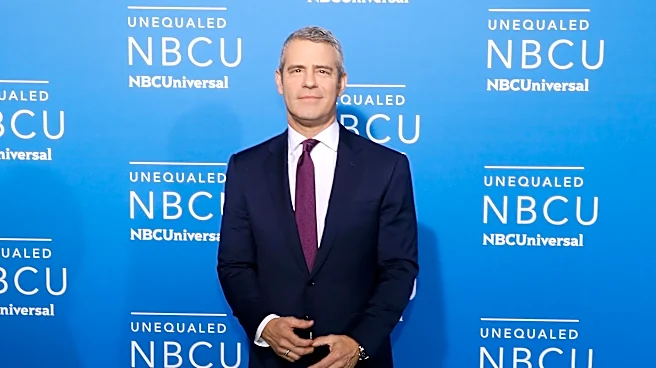
Andy Cohen, host of 'Watch What Happens Live', recently shared his frustrations regarding the behavior of 'Real Housewives' stars during reunion specials. Speaking at Bravo Fan Fest and on a podcast, Cohen identified three particularly annoying habits:
cast members not paying attention, walking off set, and not watching the show. He emphasized that while he doesn't appreciate walk-offs, he respects those who attend and answer questions. Cohen also reflected on a past 'Real Housewives of New York City' reunion, admitting he was likely biased towards Bethenny Frankel during her feud with Carole Radziwill, acknowledging that Carole's relationship with the show had become combative.
Why It's Important?
Cohen's candid remarks offer a rare behind-the-scenes look into the production of popular reality television reunion specials, which are critical for the 'Real Housewives' franchise. His insights highlight the challenges faced by hosts in managing strong personalities and ensuring productive discussions. The admission of past bias is significant as it addresses long-standing fan speculation and provides transparency regarding the dynamics between the host and cast members. This transparency can either strengthen or challenge audience trust in the impartiality of such shows. For the entertainment industry, it underscores the delicate balance between creating dramatic television and maintaining a semblance of fairness and control during high-stakes televised confrontations.
What's Next?
Cohen's revelations are likely to spark further discussion among 'Real Housewives' fans and media critics, potentially influencing how future reunion specials are perceived and conducted. His new book, 'Andy’s Bravo Scrapbook: Twenty Years Behind the Scenes of the Real Housewives and the Bravoverse', which features unseen photos and behind-the-scenes moments, will likely provide more insights into the franchise's history and dynamics. This ongoing dialogue could lead to increased scrutiny of host impartiality and cast member conduct in future reunion tapings, potentially prompting adjustments in production strategies to manage these issues more effectively.
Beyond the Headlines
Beyond the immediate context of reality television, Cohen's comments touch upon broader themes of media ethics and the performance of authenticity in televised conflicts. The expectation for cast members to 'face the music' and the host's role in mediating disputes reflect the complex interplay between entertainment, personal accountability, and public perception. The admission of bias, even in retrospect, raises questions about the inherent challenges of objectivity in reality programming, where personal relationships and narrative arcs often intertwine. This dynamic highlights the constructed nature of 'reality' on television and the ethical considerations involved in presenting unscripted drama to a mass audience.