









What's Happening?
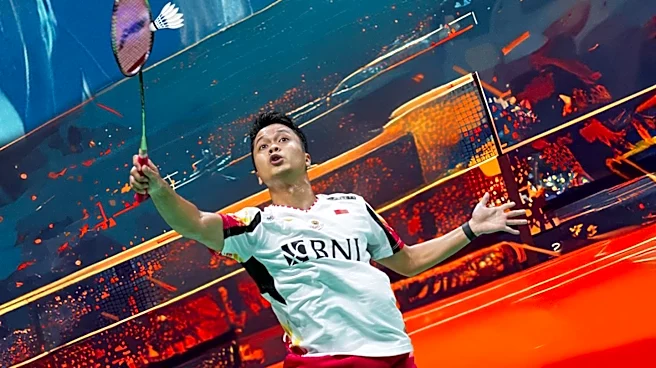
Brands are increasingly using sports sponsorships not just for visibility but to create cultural experiences that engage audiences on a deeper level. Traditional sponsorship models, which focus on logo placement and media buys, are being replaced by partnerships
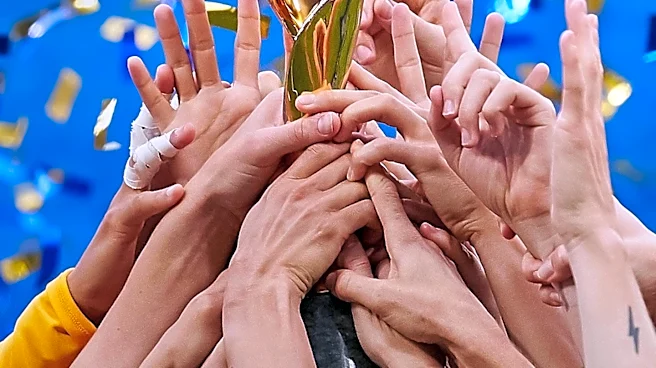
that offer unique experiences. For instance, Airbnb's World Cup partnership includes fan experiences like training sessions with famous athletes, while DoorDash has become the first Official Restaurant Reservations Platform at a FIFA event. These initiatives aim to enhance the fan experience beyond mere brand visibility. Similarly, Formula 1's 'Drive to Survive' series has attracted over 50 million new fans by turning races into dramatic narratives, thereby expanding its audience and attracting new sponsors.
Why It's Important?
This shift in sponsorship strategy reflects a broader trend in marketing where brands seek to create meaningful connections with consumers. By focusing on experiences rather than just visibility, brands can foster loyalty and engagement. This approach is particularly effective in the sports industry, which competes with other entertainment forms like streaming services and gaming for consumer attention. As sports events become entertainment platforms, brands that successfully integrate into these experiences can gain a competitive edge. This strategy also opens up new revenue streams and cultural positioning opportunities, as seen with Formula 1's success in attracting a younger audience and new sponsors.
What's Next?
As brands continue to explore these innovative sponsorship models, the focus will likely shift towards co-creating experiences that neither the brand nor the sports entity could achieve alone. This could involve more collaborations like the one between Spotify and FC Barcelona, which turned matchdays into cultural events. Brands will need to consider what unique value they can bring to these partnerships and how they can enhance the overall fan experience. The challenge will be to maintain authenticity and relevance while navigating the evolving landscape of sports and entertainment.
Beyond the Headlines
The evolution of sports sponsorships into cultural experiences highlights a significant shift in consumer expectations. Fans are no longer passive recipients of brand messages; they seek interactive and memorable experiences. This trend also raises questions about the future of traditional advertising models and the role of brands in shaping cultural narratives. As sports continue to merge with entertainment, the lines between different forms of media will blur, potentially leading to new forms of content and engagement strategies.