




What's Happening?
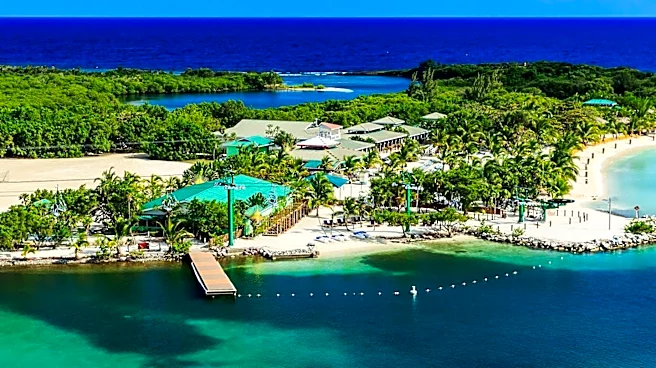
Antigua and Barbuda is actively promoting 'soft adventure' tourism, focusing on experiences that offer exploration and engagement with the islands' natural beauty without requiring extreme risk or specialized skills. The destination highlights its 365
beaches and stunning Caribbean sunsets as a backdrop for these accessible adventures. Activities include leisurely beach walks, island explorations, visits to historical sites, and sunset cruises. This approach is designed to cater to a wide range of visitors, ensuring that every moment is an opportunity for easy adventure. The aim is to provide a blend of relaxation and exploration, allowing guests to discover the vibrant marine life and serene shores at a comfortable pace. The islands emphasize that these experiences are suitable for all ages, making them an attractive option for families and individuals seeking a balanced vacation.
Why It's Important?
This tourism strategy by Antigua and Barbuda is significant for the U.S. travel market as it offers a compelling alternative to more strenuous adventure destinations, appealing to a broader demographic of travelers. For U.S. consumers, it provides an accessible Caribbean getaway where they can enjoy active engagement with the environment without the pressure of high-intensity activities. This focus on 'easy adventure' can attract families, older travelers, and those simply looking for a more relaxed yet engaging vacation. Economically, this approach can diversify the islands' tourism revenue streams, moving beyond traditional beach-centric holidays to include more experiential offerings. It also supports local businesses involved in guided tours, historical site management, and marine activities, contributing to the local economy. The promotion of soft adventure can enhance the islands' appeal as a well-rounded destination, potentially increasing visitor numbers and extending average stay durations.
What's Next?
Antigua and Barbuda will likely continue to develop and expand its soft adventure offerings, potentially introducing new guided tours that highlight specific ecological features, cultural heritage, or unique natural attractions. We can expect to see increased marketing efforts targeting the U.S. market, emphasizing the blend of relaxation and accessible adventure. There may also be collaborations with tour operators and cruise lines to integrate these soft adventure experiences into their itineraries. Investment in infrastructure that supports these activities, such as improved trails for walking and cycling, and enhanced facilities for water sports, is also probable. Furthermore, the islands might explore digital platforms to showcase these experiences, using virtual tours and engaging content to attract potential visitors. The focus will remain on providing memorable, low-stress adventures that allow guests to connect with the islands' natural and cultural richness.
Beyond the Headlines
The emphasis on soft adventure in Antigua and Barbuda reflects a broader trend in global tourism towards more sustainable and inclusive travel. By promoting activities that are gentle on the environment and accessible to a wider audience, the islands are positioning themselves as a responsible tourism destination. This approach encourages visitors to engage more deeply with the local culture and natural surroundings, fostering a greater appreciation for the destination's unique characteristics. It also challenges the notion that adventure must be extreme to be meaningful, suggesting that quiet exploration and leisurely discovery can be equally enriching. Culturally, it can help preserve local traditions and historical sites by integrating them into accessible tourist experiences. This strategy contributes to a more balanced and resilient tourism economy, less reliant on niche markets and more appealing to the evolving preferences of modern travelers seeking both relaxation and authentic engagement.