







What's Happening?
Billionaire Tim Draper is attempting to sell his Lupita Island resort in Tanzania for $7.9 million, or best offer, but the sale is complicated by the fact that he does not technically own the land. Draper announced the sale on social media, leading to numerous
"hilarious" offers including gold mines, houses, and cows. However, Tanzania's Ministry of Lands clarified that Lupita Island is owned by the Tanzania Investment and Special Economic Zones Authority (TISEZA). Draper's company, Firelight Safaris Ltd., holds a "Derivative Right" to develop and operate the resort on government-leased land. This arrangement is common in Tanzania, where all land is public and foreign investors typically operate through government leases or derivative rights, which can run for up to 99 years and are renewable. Therefore, Draper is selling the "tenant improvements" – the buildings and villas – rather than the land itself.
Why It's Important?
This situation highlights the complexities and nuances of international real estate investments, particularly in regions with different land ownership laws. For U.S. investors and businesses looking to expand globally, understanding local regulations regarding land tenure and property rights is crucial. The case of Tim Draper underscores that even high-profile investors can encounter unexpected challenges when local laws differ significantly from those in their home country. It also sheds light on the common practice in some nations where land remains state-owned, with investors acquiring long-term leases or development rights. This model can impact the perceived value and transferability of assets, potentially affecting investment decisions and risk assessments for U.S. entities considering similar ventures abroad. The incident also serves as a cautionary tale about due diligence and the importance of clear communication regarding the nature of assets being sold in international markets.
What's Next?
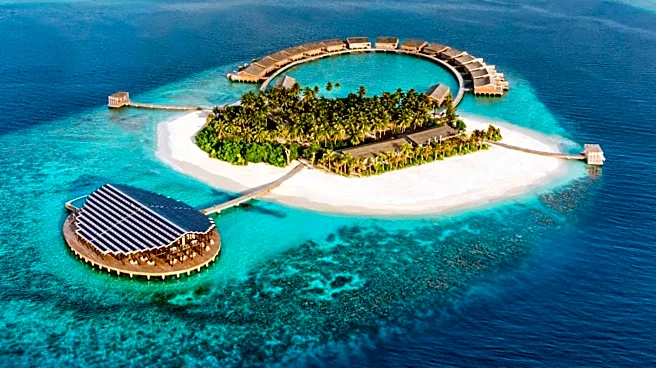
Draper will proceed with selling the "tenant improvements" of the Lupita Island resort, which include the 10 thatched-roof cottages, spa, gym, swimming pool, and other amenities. The transfer of his investment to another investor is permissible under Tanzanian law, as confirmed by TISEZA. Potential buyers will need to understand that they will be acquiring the rights to the developed property on leased government land, rather than outright land ownership. This may influence the pool of interested buyers and the final sale price. The situation could also prompt greater scrutiny from U.S. investors into the legal frameworks governing property ownership in other countries, potentially leading to more cautious approaches or increased demand for specialized legal counsel in international transactions. Draper anticipates that the unique circumstances of this sale could even inspire a book, suggesting the process has been eventful.
Beyond the Headlines
The narrative surrounding Tim Draper's island sale delves into the broader implications of globalized wealth and the varying legal landscapes that govern it. It highlights a fundamental difference in property rights between common law systems, where private land ownership is prevalent, and other systems, often found in developing nations, where the state retains ultimate ownership of land. This case also touches upon the allure of exotic, private retreats for the ultra-wealthy and the economic development strategies of countries like Tanzania, which use long-term leases to attract foreign investment while retaining sovereign control over natural resources. The "hilarious" offers Draper received, ranging from gold mines to cows, reflect a diverse and sometimes unconventional global marketplace for high-value assets, where traditional financial instruments are not always the only form of exchange. This scenario also subtly questions the definition of 'ownership' in a globalized context, especially when dealing with unique assets and differing legal jurisdictions.