






What's Happening?
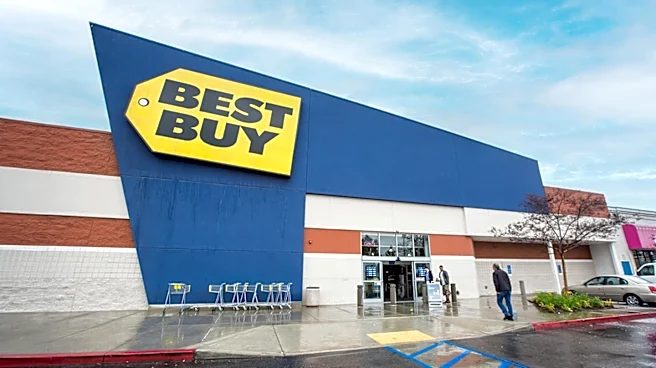
Best Buy Co., Inc., a prominent retail company founded in 1966 and headquartered in Richfield, Minnesota, provides a wide array of technology products and solutions. The company operates in the United States, Canada, and internationally, offering computing
and mobile phone products such as desktops, notebooks, peripherals, mobile phones, and networking products. Their inventory also includes tablets, smartwatches, and various consumer electronics like digital imaging devices, health and fitness products, portable audio equipment, and smart home devices. Best Buy's home theater offerings encompass accessories, soundbars, and televisions. Additionally, the retailer supplies appliances such as dishwashers, laundry machines, ovens, refrigerators, blenders, coffee makers, and vacuums. Entertainment products like drones, gaming consoles, toys, and virtual reality gear are also available. Beyond product sales, Best Buy provides comprehensive services including delivery, installation, repair, technical support, and warranty-related services. The company operates under numerous brand names, including Best Buy, Geek Squad, Insignia, and Lively, maintaining a significant online presence through its various domain names.
Why It's Important?
Best Buy's extensive product and service offerings play a crucial role in the U.S. retail landscape, particularly in the technology sector. By providing a broad range of consumer electronics, appliances, and related services, Best Buy caters to diverse consumer needs, from everyday household items to advanced technological gadgets. This comprehensive approach impacts various stakeholders, including consumers who benefit from a wide selection and support services, and manufacturers who rely on Best Buy as a major distribution channel. The company's continued operation and evolution in offerings reflect broader trends in consumer technology adoption and the demand for integrated solutions. Its market presence also influences competitive dynamics within the retail industry, pushing other retailers to innovate and adapt their own product and service portfolios. The availability of technical support and installation services further enhances the value proposition for consumers, ensuring they can effectively utilize their purchased technology.
What's Next?
Best Buy is expected to continue adapting its product offerings and services to align with evolving technological trends and consumer demands. This may include expanding its smart home product lines, integrating more health-related technology, and enhancing its digital and online shopping experiences. The company's focus on services like delivery, installation, and technical support is likely to remain a key differentiator, potentially leading to further investments in these areas to improve customer satisfaction and loyalty. As new technologies emerge, Best Buy will likely adjust its inventory to include the latest innovations, ensuring it remains a relevant destination for tech-savvy consumers. Furthermore, the company may explore new membership models or subscription services to provide added value and recurring revenue streams, building on its existing 'My Best Buy Memberships' program. Continued emphasis on its various brand names and online platforms will also be crucial for maintaining its market position.
Beyond the Headlines
Beyond its role as a retailer, Best Buy's operations reflect broader societal shifts in technology consumption and consumer behavior. The company's emphasis on services like Geek Squad highlights the increasing complexity of modern electronics and the growing need for expert assistance in setup, troubleshooting, and repair. This trend underscores a societal reliance on technology and the demand for seamless integration into daily life. Furthermore, Best Buy's diverse product range, from basic appliances to advanced virtual reality systems, illustrates the pervasive nature of technology across all aspects of contemporary living. The company's ability to adapt to rapid technological advancements and changing consumer preferences also serves as a case study in retail resilience and strategic evolution in a highly competitive market. Its continued presence signifies the enduring value of physical retail combined with robust online capabilities in the digital age.