






What's Happening?
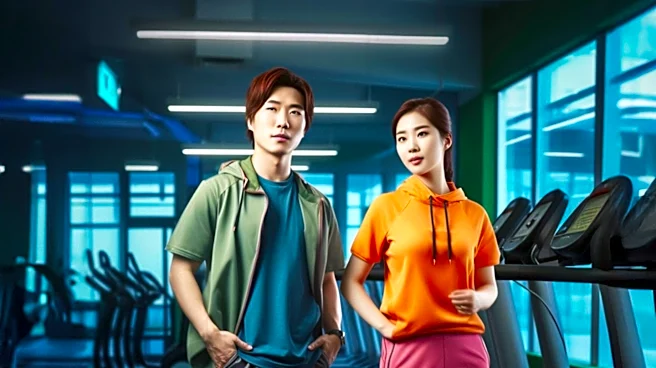
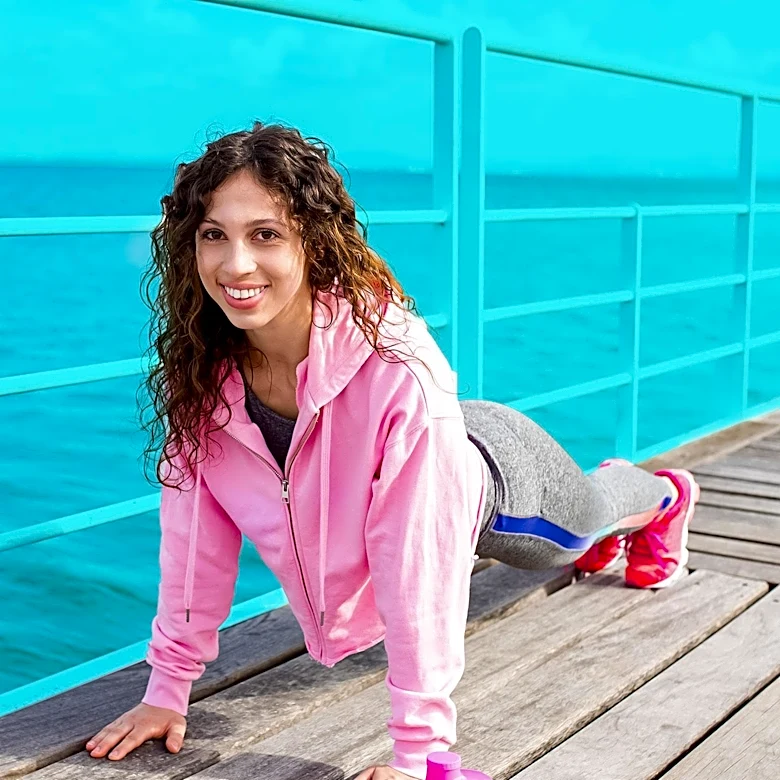
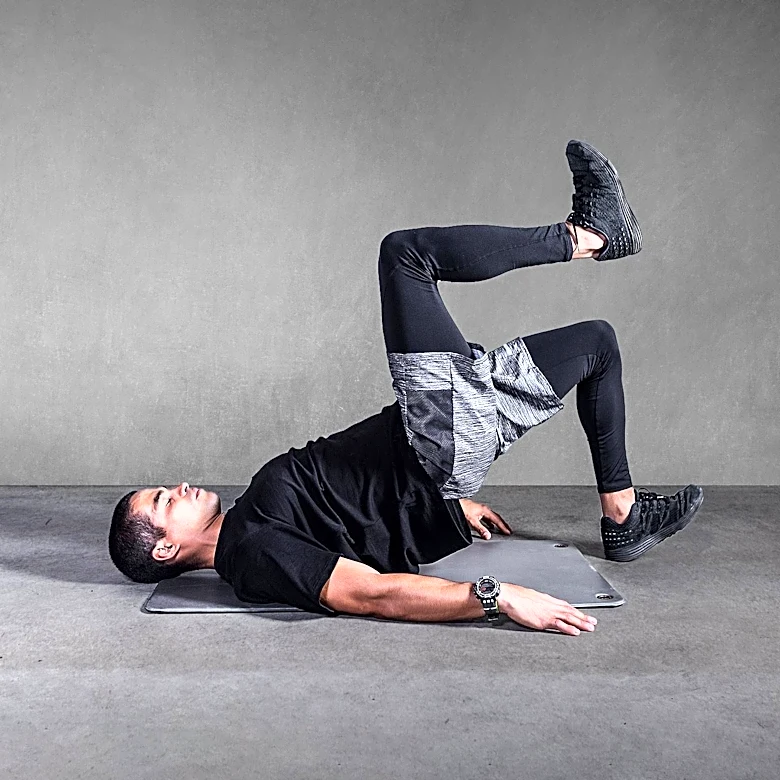
The fitness industry has seen a significant shift in gym culture, where the focus has moved from purely training to also being seen while training. This change has been influenced by the rise of fitness influencers and the athleisure industry, which has made
stylish gym attire more accessible. However, this has also introduced pressure to maintain a certain aesthetic while working out. The article discusses the nostalgia for a time when gym-goers wore simple, comfortable clothing without the need for fashion statements. It highlights the personal experience of Cori Ritchey, a fitness journalist, who reminisces about the days when gym attire was more about comfort and less about style. Ritchey argues that while some may find motivation in wearing fashionable gym clothes, others may feel pressured, which can act as a barrier to fitness.
Why It's Important?
This shift in gym culture reflects broader societal trends where appearance and social media presence have become increasingly important. The pressure to look good while working out can deter some individuals from participating in fitness activities, especially if they feel they cannot afford the latest gym fashion. This can create a barrier to entry for those who might benefit from exercise but are intimidated by the perceived need to look a certain way. The discussion also touches on the economic implications, as the cost of keeping up with gym fashion trends can be prohibitive for many. This trend highlights the intersection of fitness, fashion, and social media, and its impact on personal health and wellness.
What's Next?
As the fitness industry continues to evolve, there may be a push towards more inclusive and diverse representations of gym-goers. This could involve promoting a wider range of acceptable gym attire that prioritizes comfort and accessibility over fashion. Fitness brands and influencers might also play a role in reshaping perceptions by showcasing a variety of gym styles and encouraging individuals to focus on personal fitness goals rather than appearance. Additionally, there could be a growing movement advocating for the normalization of casual gym attire, emphasizing that the most important aspect of fitness is participation and effort, not appearance.
Beyond the Headlines
The cultural shift towards fashionable gym attire raises questions about the role of social media in shaping personal and societal values. It also prompts a discussion about the commercialization of fitness and how it affects individual motivations and self-esteem. The emphasis on appearance can overshadow the primary goal of fitness, which is health and well-being. This trend may also reflect broader societal pressures related to body image and self-presentation, which are amplified by social media platforms. As the conversation around these issues continues, there may be a greater emphasis on promoting mental health and body positivity within the fitness community.