



What's Happening?
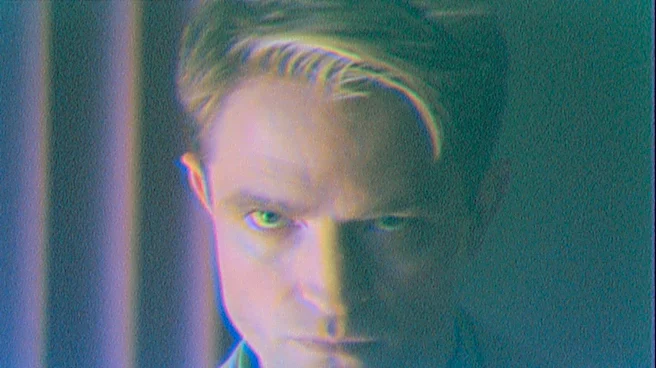
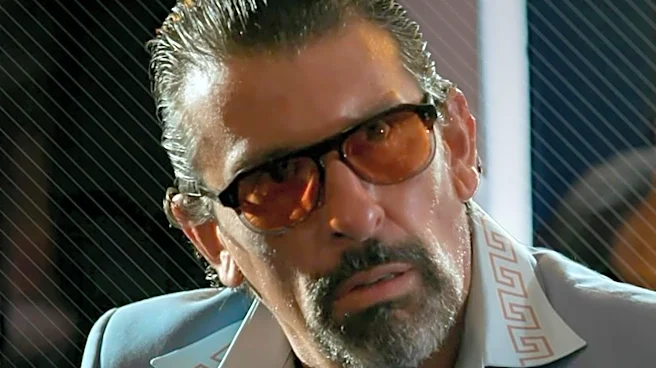
Barry Keoghan's interpretation of the Joker in Matt Reeves' 'The Batman' has garnered significant attention, despite his brief appearance in the theatrical release. Keoghan portrays a scarred and unsettling version of the iconic villain, established within
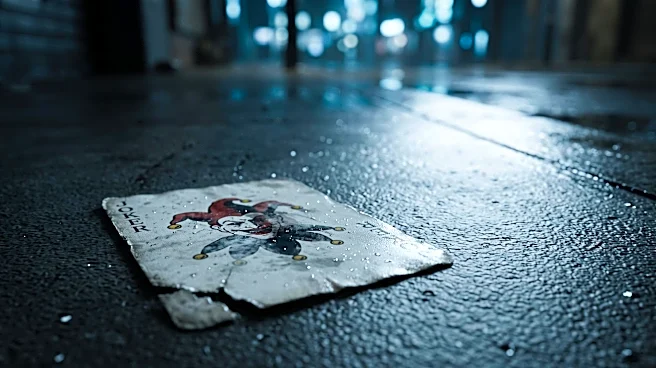
a separate Batman continuity. A deleted scene, later released, provided a more extensive look at the character and strongly suggested a pre-existing history between Batman and this Joker. Director Matt Reeves explained that the scene was initially removed because other parts of the film already served similar narrative functions, but he believed it worked well as a standalone piece. This version of the Joker is presented as still developing, with his identity and past largely ambiguous, reinforcing the idea that Gotham's rogues' gallery was already forming before the events of the 2022 film. The character's design, featuring scars and a damaged appearance, contributes to this 'unfinished' aesthetic, distinguishing him from previous fully formed cinematic Jokers.
Why It's Important?
The introduction of Barry Keoghan's Joker is significant for the ongoing narrative of Matt Reeves' 'The Batman' universe. By establishing a history between Batman and Joker prior to the main events of the first film, it deepens the lore and suggests a more mature, already-established criminal underworld in Gotham. This approach allows for future storytelling to explore the evolution of their rivalry without needing an origin story for the Joker, focusing instead on the dynamic between the two characters. The ambiguity surrounding Keoghan's Joker also creates intrigue, inviting audiences to speculate about his past and future development. This distinct continuity, separate from the main DC Universe, provides creative freedom for filmmakers to craft a unique vision of these classic characters, potentially influencing how other comic book adaptations approach established villains. The fan and critical reception to Keoghan's portrayal could also impact casting decisions and character development in future superhero films, highlighting the value of nuanced and evolving villain portrayals.
What's Next?
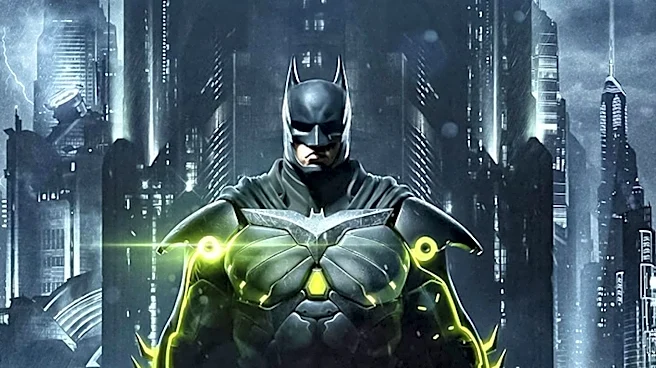
While 'The Batman: Part II' is currently in production with Matt Reeves directing and Robert Pattinson returning as Batman, the extent of Barry Keoghan's role as the Joker in the sequel remains unconfirmed. Current reports suggest an expected return for Keoghan, but detailed information regarding the size or function of his role has not been publicly established. Fans are advised to be cautious about speculation that the Joker will be the primary antagonist or receive a standalone series in the immediate future. The sequel is scheduled for release in October 2027. It is crucial to note that this iteration of Batman and Joker exists within its own continuity, distinct from the main DC Universe Batman being developed for 'The Brave and the Bold.' Therefore, Keoghan's Joker should not be confused with any future DCU version of the character, maintaining separate narrative paths for these cinematic universes.
Beyond the Headlines
The deliberate decision to present Barry Keoghan's Joker as an 'unfinished' character, with a pre-existing but largely unexplained history with Batman, offers a compelling shift in how iconic villains are introduced and developed in superhero cinema. This approach moves away from the traditional origin story, allowing the audience to engage with the character's mystique and the established dynamic with the hero. It highlights a trend in modern storytelling to prioritize character relationships and psychological depth over explicit backstories, fostering a sense of realism and complexity. Ethically, this portrayal challenges the audience to consider the nature of villainy as an evolving force rather than a static entity. Culturally, it reflects a growing appetite for more nuanced and less conventional interpretations of beloved comic book figures, pushing the boundaries of what audiences expect from these adaptations and potentially influencing future creative choices across the genre.