




What's Happening?
A fanmade virtual reality (VR) port of the classic Nintendo 64 game Perfect Dark has been released for Meta Quest headsets and PC VR. The project, led by modder Alex Le Tux, is based on the Perfect Dark decompilation project from 2022. Since its initial
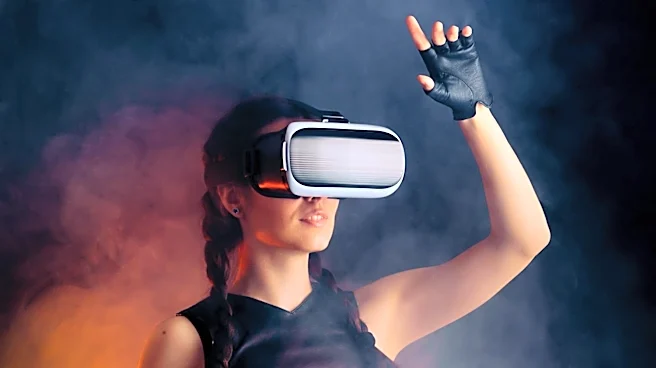
preview in February, the VR port has been showcased through various video uploads, demonstrating its functionality with head tracking and motion control aiming. The release has been accompanied by a trailer from YouTube user Graslu00. This development is part of a growing trend where fans and indie developers create VR ports of classic games, enhancing the gaming experience by leveraging modern VR technology.
Why It's Important?
The release of Perfect Dark VR highlights the increasing interest and capability of fan communities in preserving and enhancing classic video games through modern technology. This trend not only revitalizes older games for new audiences but also showcases the potential of VR as a medium for immersive gaming experiences. By enabling players to experience classic games in a new format, these projects contribute to the cultural preservation of video game history. Additionally, the success of such fan-driven initiatives can influence the gaming industry to explore official VR adaptations of classic titles, potentially leading to new revenue streams and expanded audiences.
What's Next?
The release of Perfect Dark VR may inspire further fan projects and potentially encourage official developers to consider VR adaptations of their classic games. As VR technology continues to evolve, there is potential for more sophisticated and immersive experiences. The gaming industry might also take note of the demand for VR versions of classic games, possibly leading to collaborations with fan developers or the creation of official VR ports. The ongoing interest in VR gaming could also drive advancements in VR hardware and software, enhancing the overall gaming experience.
Beyond the Headlines
The fan-driven VR port of Perfect Dark underscores the broader implications of community involvement in game development. It raises questions about intellectual property rights and the balance between fan creativity and official game development. As fan projects gain popularity, there may be increased discussions around legal frameworks and the potential for partnerships between fans and game developers. Additionally, the success of such projects could influence the cultural perception of video games, highlighting their value as both entertainment and historical artifacts.