






What's Happening?
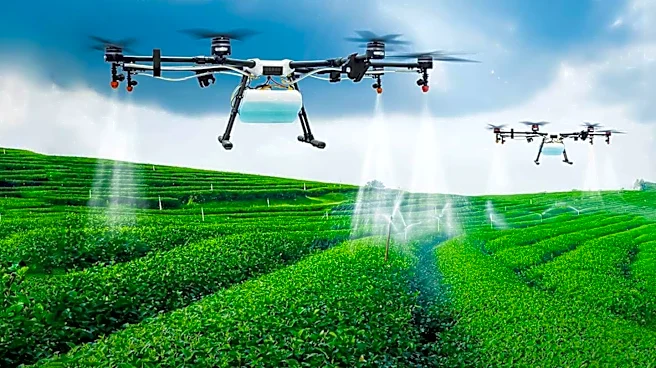
Texas is experiencing a significant increase in job opportunities within the drone industry, encompassing various roles from drone piloting to engineering and manufacturing. The demand for drone pilots is particularly strong in sectors such as energy
(oil, gas, wind, and solar), agriculture, construction, and land surveying. For commercial drone piloting roles in Texas, individuals are required to possess a Part 107 license. Beyond piloting, the state is also seeing a rise in technical positions, with a growing number of drone and aerospace companies establishing engineering, manufacturing, and software operations within Texas. These technical roles do not typically require a Part 107 license. This expansion indicates a robust and diversifying drone ecosystem in the state, attracting both operational and technical talent.
Why It's Important?
The growth of drone jobs in Texas signifies the increasing integration of drone technology into key industries. This trend has several important implications. Firstly, it highlights the economic diversification within Texas, moving beyond traditional sectors to embrace advanced technological fields. This creates new career paths and opportunities for the workforce. Secondly, the demand for Part 107 licensed pilots underscores the professionalization of drone operations and the importance of regulatory compliance for commercial applications. This ensures safety and accountability in drone usage. Lastly, the influx of engineering, manufacturing, and software roles indicates that Texas is becoming a hub not just for drone operation, but also for drone innovation and development, contributing to the broader technological advancement of the United States. This concentration of talent and resources can foster further innovation and investment in the drone sector.
What's Next?
As the drone industry continues to expand in Texas, several developments are foreseeable. There will likely be an increased demand for specialized training programs and educational institutions to equip the workforce with the necessary skills for both piloting and technical roles. This could include more Part 107 certification courses and advanced engineering degrees focused on drone technology. Furthermore, the growth in drone operations may lead to increased regulatory scrutiny and the development of more sophisticated air traffic management systems for unmanned aerial vehicles. Companies in Texas are expected to continue investing in research and development, potentially leading to new drone applications and more advanced drone capabilities. The state could also see further consolidation of drone companies and the emergence of new startups, driven by the availability of skilled labor and a supportive industrial ecosystem.
Beyond the Headlines
The burgeoning drone industry in Texas has deeper implications for the future of work and regional economic development. The rise of drone-related jobs represents a shift towards automation and data-driven decision-making across various sectors, fundamentally changing how industries like agriculture and energy operate. This technological integration could lead to increased efficiency, cost savings, and improved safety in hazardous environments. Culturally, the widespread adoption of drones may also influence public perception and acceptance of autonomous technologies. Legally, as drone usage becomes more prevalent, there will be ongoing challenges in developing comprehensive legal frameworks that address privacy concerns, airspace rights, and liability issues. Texas's experience in fostering this industry could serve as a model for other states looking to capitalize on the economic potential of drone technology, while also navigating its societal and regulatory complexities.