





What's Happening?
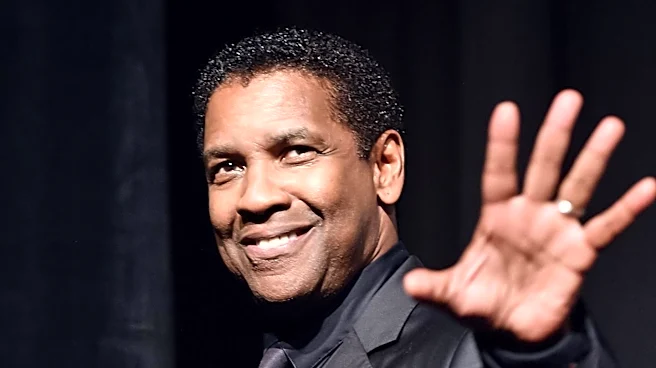
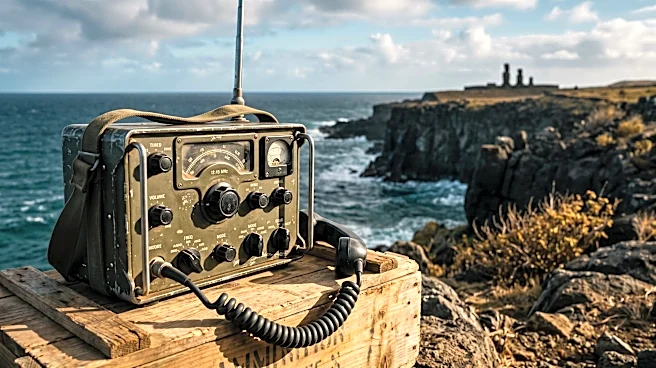
Director Martin McDonagh's latest film, 'Wild Horse Nine,' is a dark comedy set on Easter Island shortly before the 1973 coup in Chile. The movie stars John Malkovich and Sam Rockwell as CIA agents whose covert mission is complicated by personal struggles
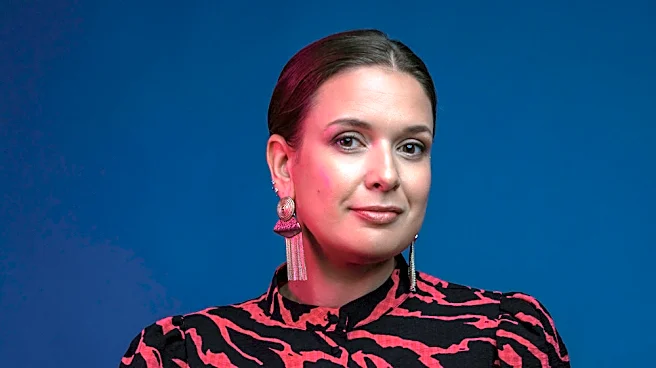
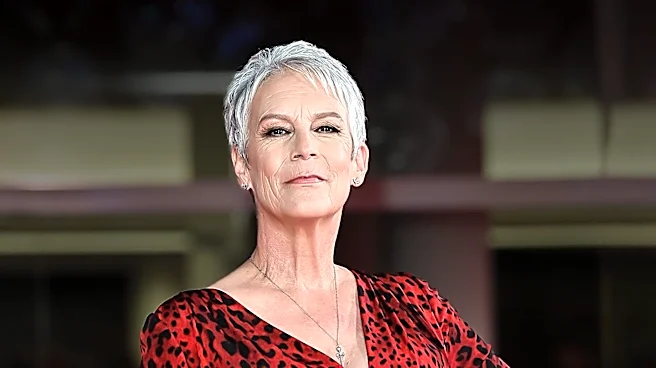
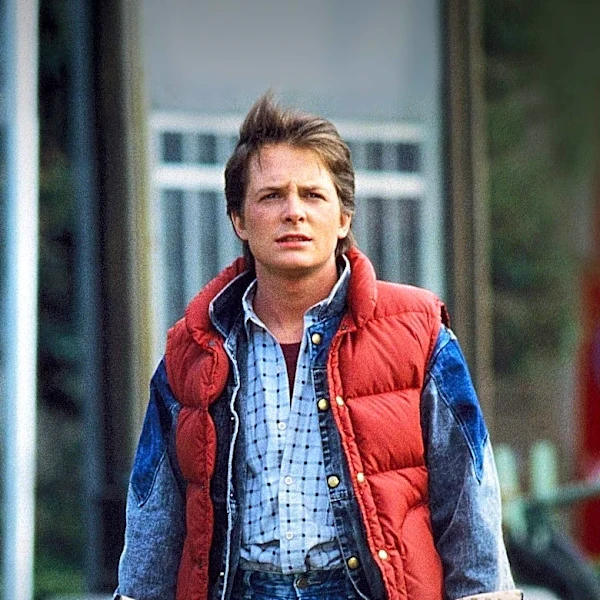
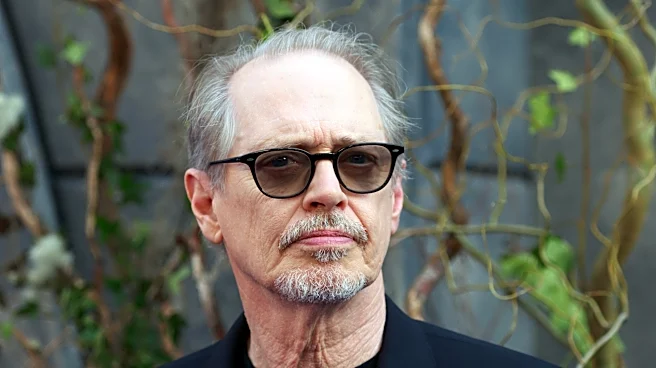
and shifting loyalties. Steve Buscemi, Mariana di Girolamo, Ailín Salas, Tom Waits, and Parker Posey also feature in the cast. The narrative delves into the United States' historical intervention in Latin America, specifically the destabilization of Salvador Allende's leftist government and the subsequent rise of Augusto Pinochet. The film is described as a richly layered exploration of moral ambiguity, blending McDonagh's signature sharp satire with existential drama.
Why It's Important?
'Wild Horse Nine' is significant for its exploration of a sensitive and historically impactful period involving U.S. foreign policy. By setting the film around the 1973 Chilean coup, McDonagh brings attention to the consequences of U.S. intervention in other nations' political affairs, a topic that continues to resonate in international relations and historical discourse. The film's blend of dark comedy and existential drama allows for a nuanced examination of the moral complexities faced by individuals involved in such operations. For U.S. audiences, it offers a cinematic reflection on a controversial chapter of American history, potentially sparking discussions about accountability, ethics in foreign policy, and the long-term effects of covert actions. The film's critical reception will likely contribute to ongoing conversations about historical revisionism and the role of art in addressing political pasts.
What's Next?
'Wild Horse Nine' is scheduled to open in cinemas nationwide on November 5th, with screenings starting on November 6th. Following its release, the film will be subject to critical reviews and audience reactions, which will determine its impact and success. The themes of U.S. intervention and moral ambiguity are likely to generate considerable discussion among film critics, historians, and the general public. The film's performance could also influence future projects for Martin McDonagh and its ensemble cast, particularly given the sensitive nature of its historical context. Its release will contribute to the broader cultural conversation about the legacy of U.S. foreign policy in Latin America.
Beyond the Headlines
The film's focus on the 1973 Chilean coup and the U.S. role in it delves into deeper implications concerning national sovereignty, human rights, and the ethical responsibilities of powerful nations. By portraying CIA agents grappling with personal demons amidst a covert mission, 'Wild Horse Nine' humanizes the complex moral landscape of political espionage. This approach can foster a more empathetic, yet critical, understanding of historical events, moving beyond simplistic narratives of good versus evil. The film's potential to provoke thought and discussion about the long-term consequences of political actions and the moral compromises made in the name of national interest highlights the power of cinema as a medium for historical reflection and social commentary.