







What's Happening?
Luxury resale on TikTok Shop in the U.S. is experiencing significant growth, with 94% of its revenue in this category generated through livestreams year-to-date. The platform revealed this at its inaugural Luxury Resale Summit in New York City. Overall,
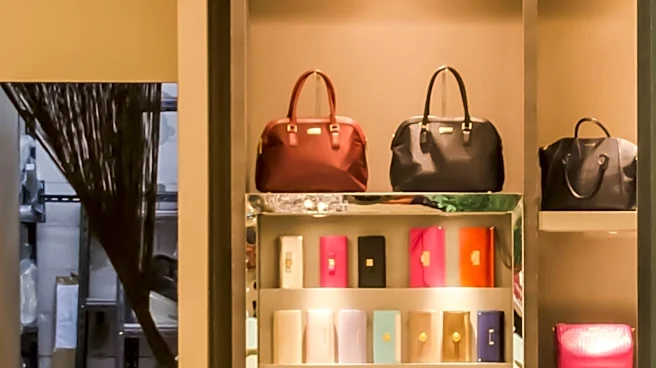
luxury resale on TikTok Shop has seen a 400% year-over-year increase in gross merchandise value, primarily driven by products such as handbags and watches. TikTok Shop aims to build trust in the high-consideration luxury resale market, which is susceptible to counterfeits. To achieve this, sellers are exclusively invited to the platform and must collaborate with one of TikTok Shop’s five authentication partners: Entrupy, Legitmark, CheckCheck, Legit App, and Real Authentication. Rainee Walker, head of category for luxury resale in the U.S. for TikTok Shop, noted that livestreams enhance buyer confidence by allowing real-time demonstrations of a product's condition, dimensions, and other details. This interactive format also serves as an educational opportunity, with sellers providing storytelling to explain an item's value and clarify subjective terms like 'scratched hardware' or 'stained lining'.
Why It's Important?
The dominance of livestreams in TikTok Shop's luxury resale market signifies a notable shift in consumer behavior and e-commerce strategies within the U.S. luxury sector. This trend highlights the increasing importance of interactive and transparent online shopping experiences, particularly for high-value, pre-owned goods where authenticity and condition are paramount. For luxury brands and resellers, TikTok Shop's model offers a new avenue to engage with a broader audience, build trust through live authentication and detailed product showcases, and potentially tap into a younger demographic that values both sustainability and digital interaction. The platform's stringent authentication process, combined with the educational aspect of livestreams, addresses key consumer concerns about counterfeits and product quality in the resale market. This approach could set a new standard for online luxury resale, influencing how other e-commerce platforms integrate live commerce and authentication services. The substantial year-over-year growth in gross merchandise value also underscores the expanding consumer appetite for luxury resale, positioning it as a significant and growing segment of the overall luxury market.
What's Next?
The success of livestreams on TikTok Shop is likely to encourage further investment in live commerce features and authentication technologies across the e-commerce landscape. Other platforms may seek to replicate TikTok Shop's model by enhancing interactive shopping experiences and implementing more robust authentication protocols for high-value goods. For luxury brands, this trend suggests a need to adapt their digital strategies to include live selling and direct consumer engagement, potentially through partnerships with platforms like TikTok Shop or by developing their own livestream capabilities. The continued growth of luxury resale, particularly driven by younger consumers, indicates that brands will increasingly need to consider the secondary market as an integral part of their overall business strategy. This could lead to more collaborations between luxury brands and resale platforms, as well as the development of in-house resale programs. Furthermore, the emphasis on education and transparency in livestreams may prompt a broader industry shift towards more detailed product information and interactive customer service in online retail.
Beyond the Headlines
The rise of livestream-driven luxury resale on TikTok Shop points to deeper cultural and economic shifts. Ethically, it promotes a more sustainable consumption model by extending the lifecycle of luxury goods, aligning with growing consumer demand for eco-conscious practices. This trend also democratizes access to luxury items, making high-end fashion more attainable for a wider audience through pre-owned options. The interactive nature of livestreams fosters a sense of community among buyers and sellers, transforming what was once a transactional process into a more engaging and social experience. This community aspect, where buyers and sellers interact in real-time, builds a unique form of trust and loyalty that traditional e-commerce often lacks. Legally, the stringent authentication requirements set by TikTok Shop could influence regulatory standards for online resale platforms, particularly concerning consumer protection against counterfeit goods. This model also highlights the evolving role of social media platforms from mere content sharing to powerful commercial hubs, blurring the lines between entertainment, social interaction, and retail.