
What's Happening?
Baltimore-Washington International Thurgood Marshall Airport (BWI) has been named one of the world's top 10 best large airports by TIME Magazine and global data firm Statista. The Hanover-based airport secured
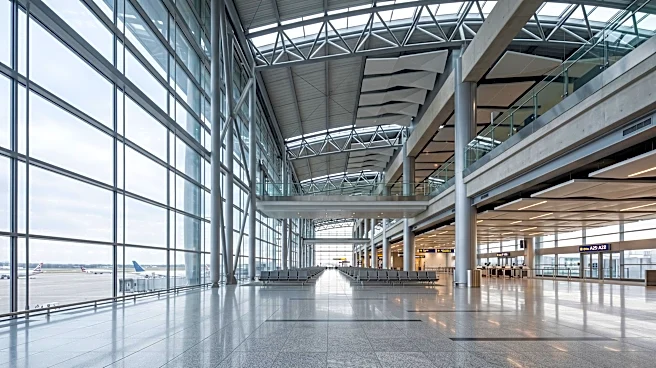
the ninth position on the list, which evaluated airports serving 25 million to 50 million passengers annually. This recognition was based on intercontinental survey data from flyers collected this year and an independent analysis of over 30 million flights between July 2025 and June 2026. BWI outperformed other regional airports, including Washington Dulles International Airport (27th) and Ronald Reagan Washington National Airport (53rd). Shannetta Griffin, CEO of BWI, attributed this achievement to the dedication of employees, airline partners, and stakeholders. Key features highlighted include the airport's affordable and accessible parking options and its award-winning modern bathrooms, which were previously recognized as the best in the country by Cintas Corp in 2023. The airport recently completed its largest single expansion project, a connector between the A and B concourses, and anticipates further renovations, including one of Southwest Airlines’ first lounges, by late 2027.
Why It's Important?
This international recognition for BWI Thurgood Marshall Airport is significant for the U.S. aviation industry and the Maryland economy. Being ranked among the world's best enhances the airport's reputation, potentially attracting more airlines, increasing passenger traffic, and boosting tourism and business travel to the Baltimore-Washington metropolitan area. Increased traffic can lead to job creation in airport operations, hospitality, and related services. The emphasis on passenger experience, particularly affordable parking and modern facilities, addresses key concerns for travelers, making BWI a more attractive option compared to its regional competitors. This competitive advantage could shift travel patterns, benefiting local businesses and the state's tax revenue. Furthermore, the ongoing renovations and future developments, such as Southwest Airlines' lounge, signal continued investment and growth, reinforcing BWI's role as a critical transportation hub and an economic engine for the region.
What's Next?
BWI Thurgood Marshall Airport is set to continue its development with further renovations, including the completion of one of Southwest Airlines’ first lounges by late 2027. This ongoing investment is expected to further enhance the passenger experience and operational efficiency. The airport's sustained focus on customer satisfaction, as evidenced by its highly-rated parking and restroom facilities, will likely remain a priority to maintain its competitive edge. The recognition from TIME Magazine could also prompt other U.S. airports to evaluate and improve their services to meet global standards, fostering a broader trend of enhancement within the national aviation sector. Local and state officials will likely leverage this prestigious ranking in promotional efforts to attract more visitors and businesses to Maryland, potentially leading to increased funding and support for future airport projects.
Beyond the Headlines
The recognition of BWI as a top global airport underscores a broader trend in the aviation industry towards prioritizing passenger experience beyond just flight efficiency. This shift reflects evolving consumer expectations for comfort, convenience, and quality of facilities within airport environments. The success of BWI highlights how strategic investments in infrastructure, such as modern concourses and amenities like award-winning bathrooms, can significantly impact an airport's standing and appeal. This also points to the increasing importance of data-driven insights, like intercontinental survey data and flight analysis, in assessing and benchmarking airport performance. For the U.S., this could encourage a more holistic approach to airport development, moving beyond mere capacity expansion to focus on the overall journey experience, potentially influencing future policy and funding decisions for national aviation infrastructure.