




What's Happening?
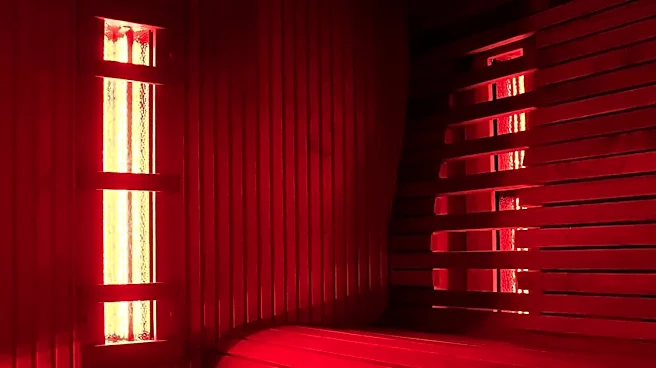
Biohack Cryo & Wellness in Woodland Hills, CA, offers red light therapy, also known as photobiomodulation, but not as a separate, dedicated service. Instead, it is incorporated into their infrared sauna and Ammortal Chamber sessions. This approach means
clients access red light therapy as a complementary benefit within these existing treatments. Red light therapy utilizes specific wavelengths of red and near-infrared light to penetrate the skin and be absorbed at a cellular level, with research exploring its potential benefits for cellular energy production, inflammation reduction, and skin and tissue recovery. The facility emphasizes that consistency is key for clients to experience potential benefits, suggesting regular weekly routines through either the infrared sauna or the Ammortal Chamber. While considered a passive and non-invasive therapy, Biohack Cryo & Wellness advises individuals with specific skin conditions or health concerns to consult a physician before engaging in regular light exposure.
Why It's Important?
This integration strategy by Biohack Cryo & Wellness highlights a growing trend in the wellness industry where advanced therapies are bundled with established services. For consumers, this means red light therapy is presented as an enhancement to existing wellness routines rather than an additional, separate appointment, potentially increasing its accessibility and perceived value. From a business perspective, this model allows wellness centers to offer a broader range of therapeutic benefits without investing in standalone equipment or dedicated staff for each new technology. It also positions red light therapy as a natural complement to other recovery and relaxation treatments, potentially attracting clients seeking comprehensive wellness solutions. The emphasis on consistency underscores the importance of regular engagement for therapeutic modalities, influencing how clients approach and commit to their wellness journeys. The advisory for physician consultation also reflects a responsible approach to client safety and health, which is crucial in the expanding wellness market.
What's Next?
The trend of integrating advanced therapies like red light into broader wellness packages is likely to continue, with other wellness centers potentially adopting similar models to enhance their service offerings. Biohack Cryo & Wellness will likely continue to educate clients on the benefits of red light therapy within their existing services, focusing on how it complements the infrared sauna and Ammortal Chamber experiences. Future developments in photobiomodulation research may lead to new applications or refined protocols, which could further influence how such therapies are integrated and marketed. Clients will continue to seek information on the efficacy and safety of these combined treatments, prompting wellness providers to maintain transparency and provide clear guidance, especially regarding health considerations. The success of this integrated model could also encourage manufacturers of red light therapy devices to develop systems specifically designed for seamless integration into other wellness equipment.
Beyond the Headlines
The integration of red light therapy into existing wellness services reflects a broader societal shift towards holistic health and preventative care, where individuals seek multi-faceted approaches to well-being. This model also touches upon the ethical considerations of marketing advanced therapies; by integrating it, the focus shifts from a 'miracle cure' to a supportive element within a larger wellness regimen. It also raises questions about consumer education and the responsibility of wellness providers to accurately represent the benefits and limitations of such therapies. The 'passive' nature of red light therapy, as described, aligns with a desire for effortless health improvements, a significant cultural driver in the wellness sector. Furthermore, the emphasis on consistency for results highlights the ongoing challenge of behavioral change in health, where sustained effort, even in passive therapies, is crucial for perceived benefits. This approach could also influence insurance and healthcare models as integrated wellness services gain more traction and demonstrate tangible health outcomes.