







What's Happening?
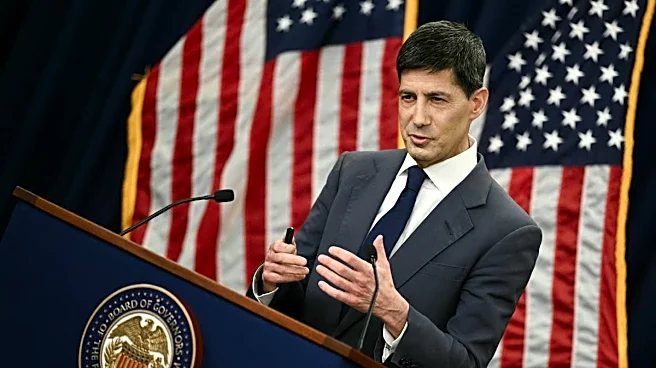
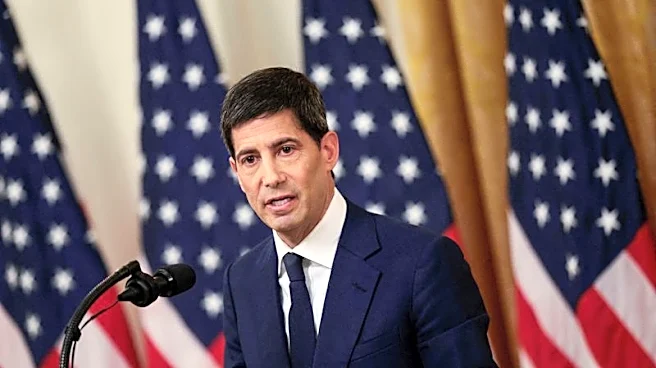
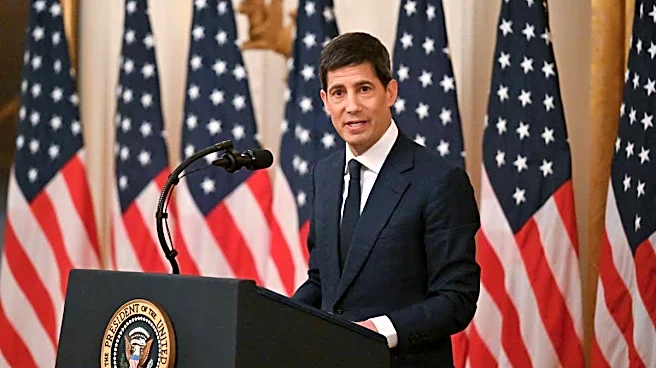
The Federal Reserve has decided to keep interest rates steady in the range of 3.5% to 3.75%, marking the fourth consecutive meeting without a change. This decision was made during the first meeting under the leadership of new Fed Chairman Kevin Warsh.
The Federal Open Market Committee (FOMC) voted unanimously to maintain the current rates, while signaling the possibility of a rate hike later this year. The decision comes amidst ongoing global conflicts, particularly the Iran war, which has impacted energy prices and contributed to elevated inflation. The Fed's focus has shifted from the labor market to inflation, with officials emphasizing the need for price stability.
Why It's Important?
The Federal Reserve's decision to hold interest rates steady reflects its cautious approach in navigating the current economic landscape marked by global uncertainties and inflationary pressures. By maintaining the current rates, the Fed aims to balance the need for economic stability with the challenges posed by rising inflation, partly driven by the Iran conflict's impact on energy prices. This decision affects various stakeholders, including investors, businesses, and consumers, as it influences borrowing costs and investment strategies. The potential for a future rate hike suggests that the Fed is prepared to act if inflation continues to rise, which could have significant implications for economic growth and financial markets.
What's Next?
Looking ahead, the Federal Reserve's indication of a possible rate hike later this year suggests that it is closely monitoring inflation trends and global economic developments. Traders have already priced in the likelihood of a rate increase, reflecting market expectations of the Fed's commitment to price stability. The ongoing Iran conflict and its impact on energy prices will likely remain a key factor in the Fed's decision-making process. Stakeholders, including businesses and investors, will need to stay vigilant and adapt to potential changes in monetary policy as the Fed navigates these complex economic challenges.