
What's Happening?
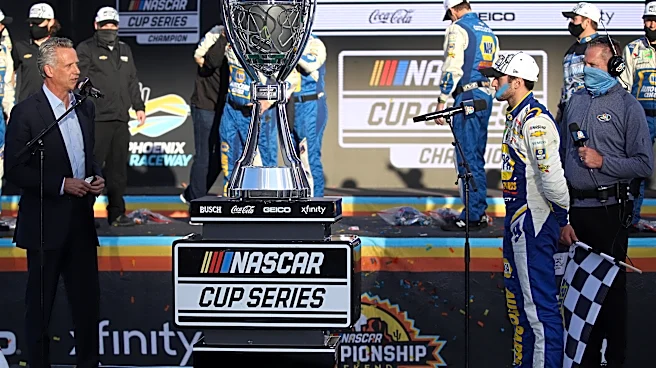
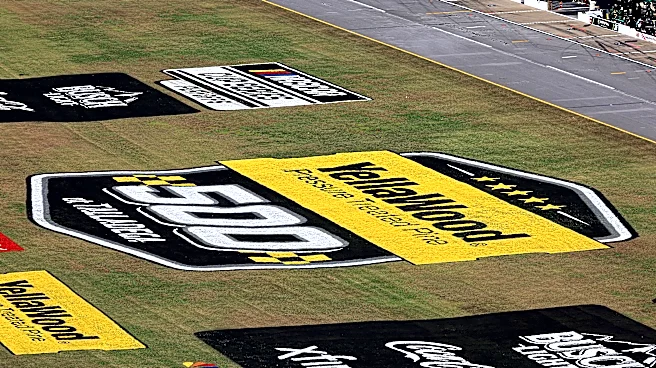
The 2026 NASCAR championship race experienced a substantial decline in viewership, with numbers dropping by 10.9% from the previous year. The 2026 finale, held at Homestead-Miami Speedway, garnered 2.471 million viewers, a decrease from the 2.774 million viewers for
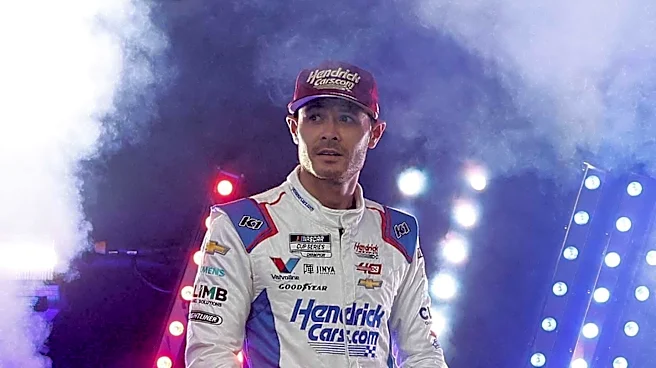
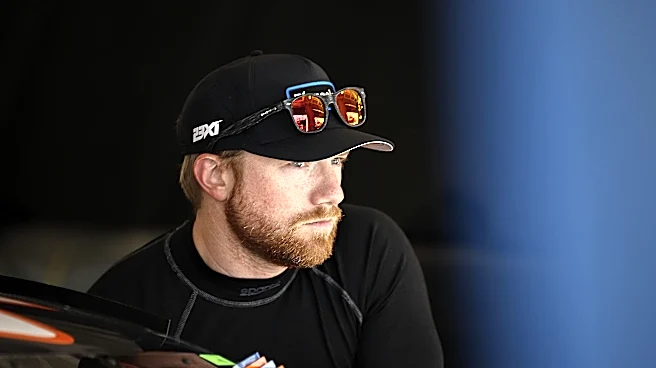
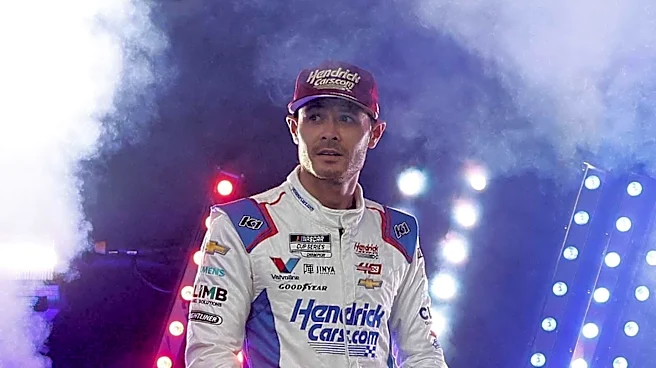
the 2025 race. This marks the largest year-over-year viewership drop in NASCAR's Next Gen era, surpassing the 9.2% decline observed from 2022 to 2023. The overall 10-race viewership for the 2026 Chase also saw a 4.1% decrease compared to 2025. Despite changes to the championship format, including a shift from Phoenix Raceway to Homestead-Miami Speedway and a new structure allowing a driver to potentially secure the title earlier, the viewership trend continued downwards. For instance, Kyle Larson secured the title in the first stage after Chase Briscoe's engine failed. The race also faced competition from several NFL games, including high-profile matchups, which may have contributed to the reduced viewership.
Why It's Important?
This significant decline in NASCAR championship viewership has important implications for the sport's financial health and its appeal to a broader audience. Lower viewership directly impacts advertising revenue for broadcasters and sponsors, potentially leading to reduced investment in the sport. The trend suggests that recent format changes, intended to revitalize interest, have not yet succeeded in reversing the decline. This could prompt NASCAR and its partners to re-evaluate their strategies for engaging fans and attracting new viewers. The competition from other major sporting events, such as NFL games, highlights a challenge in scheduling and market saturation, forcing NASCAR to contend for audience attention in a crowded media landscape. Sustained viewership declines could affect team sponsorships, prize money, and the overall economic ecosystem surrounding NASCAR, impacting stakeholders from drivers to track owners.
What's Next?
NASCAR will likely need to analyze the factors contributing to this viewership decline beyond just counterprogramming. Future strategies may involve further adjustments to the race schedule, exploring new broadcast partnerships, or innovating the race format to create more compelling narratives and competitive outcomes. The sport might also intensify its efforts in digital engagement and social media to reach younger demographics and those who consume content differently. Stakeholders, including team owners, sponsors, and broadcasters, will be closely monitoring future viewership numbers and could pressure NASCAR to implement more drastic changes if the downward trend continues. The long-term sustainability of the sport's current economic model could depend on its ability to reverse this trend and attract a larger, more consistent audience.
Beyond the Headlines
The consistent decline in NASCAR viewership, particularly for its championship events, points to broader shifts in sports consumption habits and the challenges traditional sports face in maintaining relevance. This trend is not unique to NASCAR, as many established sports leagues are grappling with fragmented audiences and increased competition from streaming services, esports, and other forms of entertainment. The issue extends beyond mere numbers, touching upon the cultural significance of NASCAR, which has historically been a cornerstone of American sports. A continued decline could signal a generational shift in fan interest or a need for fundamental re-imagination of how the sport is presented and marketed. The impact could also be felt in regional economies that rely on NASCAR events for tourism and local business, highlighting the interconnectedness of sports, media, and local communities.