





What's Happening?
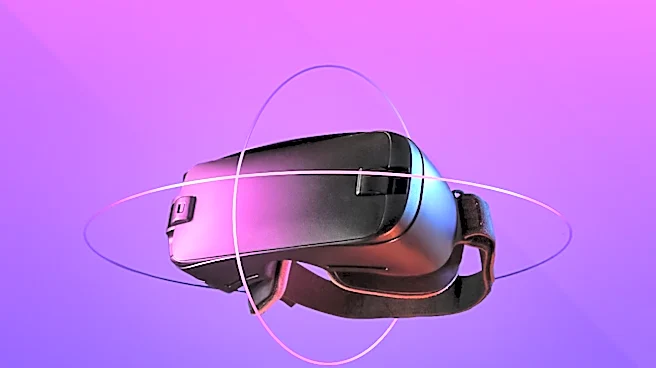
Valve's upcoming Steam Frame VR headset is anticipated to launch at a price of $1,500, according to insider Tyler McVicker. This price prediction has increased from an earlier estimate of $1,100 due to rising component costs, particularly a price hike
in Qualcomm's Snapdragon 8 Gen 3 chip, which powers the device. The Steam Frame is designed as a standalone VR headset with features such as dual 2160 x 2160 LCD panels and 16GB of LPDDR5X memory. It is expected to launch in the summer of 2026, following its FCC certification in July. The high price point could limit its appeal to a niche market of VR enthusiasts, contrasting with Valve's initial aim for broader market penetration.
Why It's Important?
The potential $1,500 price tag for the Steam Frame VR headset positions it significantly higher than competitors like Sony's PS VR2, which is priced at $550. This could impact Valve's ability to capture a larger share of the VR market, as the high cost may deter mainstream consumers. The pricing strategy reflects broader challenges in the tech industry, where rising component costs are affecting product pricing and market strategies. For Valve, this could mean a shift in focus towards a more specialized market segment, potentially affecting its long-term market positioning and competitive strategy in the VR space.
What's Next?
As Valve approaches the final stages of the Steam Frame's development, the company will need to address the pricing concerns to avoid alienating potential customers. The market's response to the pricing will be crucial, and Valve may need to consider alternative pricing strategies or product bundles to enhance value perception. Additionally, the company will likely monitor competitor pricing and market trends closely to adjust its strategy post-launch. The broader tech industry will also be watching how Valve navigates these challenges, as it could set precedents for pricing strategies in the face of rising component costs.