



What's Happening?
Tulips are capable of growing through chicken wire, a method recommended by Longfield Gardens to protect bulbs from burrowing rodents like squirrels, chipmunks, and voles. Unlike daffodils, which are naturally bitter, tulip bulbs are appealing to local
wildlife. Squirrels and chipmunks dig from the surface, while voles operate underground, consuming bulbs. Standard 1-inch hexagonal chicken wire is effective because a tulip sprout is narrow and strong, easily pushing through the mesh. As the sprout grows, its leaves unfurl above the wire. The wire is typically galvanized to prevent rust and does not constrict the stems, which rarely grow wider than half an inch. Three main installation methods are suggested: the surface blanket method for squirrels, the shallow burial method for a hidden wire, and the wire cage method for voles and gophers, which involves creating a five-sided cage around the bulbs using half-inch hardware cloth for the sides and bottom and 1-inch chicken wire for the top.
Why It's Important?
This information is important for gardeners in the U.S. who face challenges with wildlife consuming their tulip bulbs, representing a significant investment of time and money. The use of chicken wire offers a practical, low-cost solution that ensures a successful spring bloom, preventing the frustration and financial loss associated with damaged or eaten bulbs. By providing clear guidance on mesh size and installation methods, it empowers gardeners to protect their plants effectively, leading to more vibrant and aesthetically pleasing landscapes. This method also promotes sustainable gardening by reducing the need for chemical repellents, which can have broader environmental impacts. For commercial growers or public gardens, this technique can be scaled to protect larger plantings, preserving horticultural displays and economic returns. The ability to protect tulips without hindering their growth contributes to the enjoyment and success of gardening, a popular pastime across the nation.
What's Next?
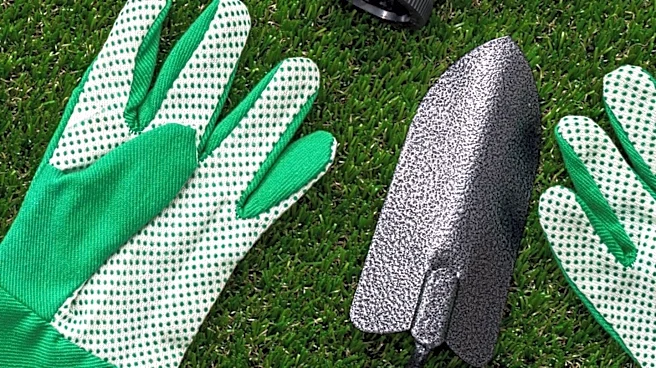
Gardeners planning to plant tulips are advised to choose 1-inch hexagonal chicken wire for optimal protection and growth space. The decision on the burial method should be based on the specific type of rodent causing issues, whether surface-digging squirrels or underground-tunneling voles. It is crucial to wear gloves when handling wire due to sharp edges. The wire should remain in place throughout the growing season, as tulips can grow through it without needing removal. Combining chicken wire protection with other strategies, such as strategic planting of deterrent plants like daffodils, using scent-based repellents, and planting bulbs a little deeper, can further enhance protection. These steps ensure that the effort invested in planting tulips results in a successful and beautiful spring display, free from wildlife interference.
Beyond the Headlines
The widespread adoption of simple, effective solutions like chicken wire for pest control in gardening reflects a broader trend towards practical, environmentally conscious approaches in horticulture. This method highlights the importance of understanding plant biology and animal behavior to coexist with local wildlife rather than resorting to harmful measures. It also underscores the value of traditional gardening wisdom and materials in modern contexts. The success of such methods can encourage a more hands-on, problem-solving approach among gardeners, fostering a deeper connection to their environment. Furthermore, the shared experience of protecting plants from pests can build community among gardeners, leading to the exchange of tips and best practices. This seemingly small act of protecting tulips contributes to a larger narrative of sustainable living and responsible interaction with the natural world, influencing how individuals approach their immediate surroundings and broader ecological challenges.