





What's Happening?
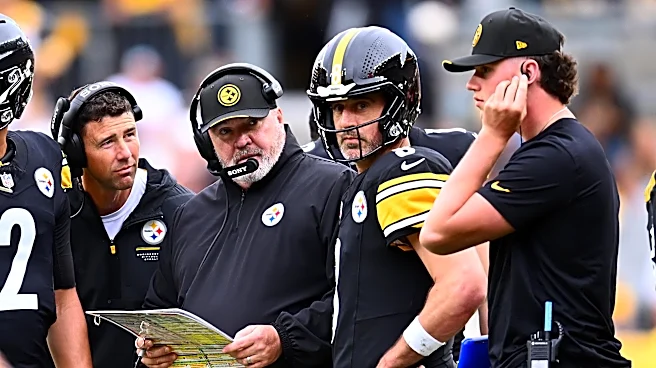
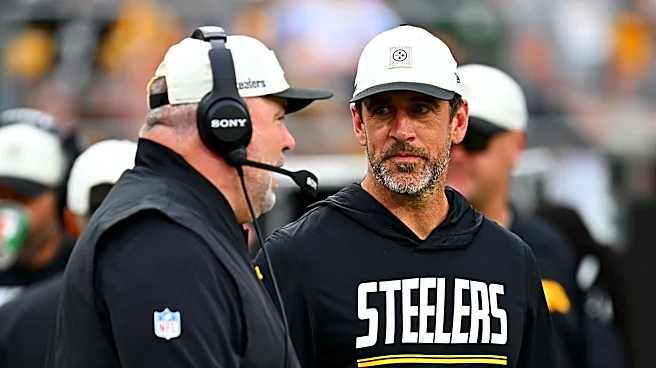
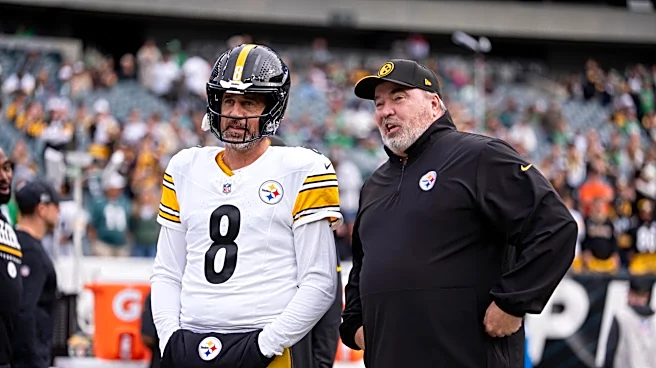
The Pittsburgh Steelers released quarterback Aaron Rodgers on Wednesday, following his public accusation that head coach Mike McCarthy fell asleep during team meetings. Despite the release, the Steelers are still contractually obligated to pay Rodgers approximately
$8.56 million of his guaranteed salary. Rodgers' one-year deal, signed in May, totaled $22,502,750, which included a $500,000 roster bonus, a $2,750 workout bonus (both already paid), and a fully guaranteed $22 million base salary. Rodgers had received about $13.44 million of this salary through the first 11 weeks of the 18-week regular season. No other NFL team claimed Rodgers off waivers, solidifying Pittsburgh's financial responsibility for the remainder of his contract. Rodgers himself stated that the team went public with the news first and barred him from the facility, leading him to discuss the situation on 'The Pat McAfee Show.'
Why It's Important?
This situation highlights the financial complexities and contractual obligations within the NFL, particularly concerning guaranteed contracts for high-profile players. The Steelers' continued financial commitment to Rodgers, even after his release for alleged conduct detrimental to the team, underscores the significant costs associated with player contracts. The incident also brings to light potential disputes between teams and players regarding contract termination and the grounds for denying termination pay, which could involve arbitration with the NFL Players Association. The immediate aftermath saw a 36% drop in Steelers ticket prices on the secondary market, indicating a direct impact on fan engagement and team revenue. This event could influence future contract negotiations and team management strategies regarding player conduct and public statements.
What's Next?
The Steelers may consider filing a grievance under the NFL’s collective bargaining agreement to deny Rodgers' termination pay, citing conduct detrimental to the team. If successful, this could result in the team recovering the $8.56 million as a salary-cap credit after the season. However, such a move would likely be contested by the NFL Players Association. A more probable outcome, according to sports litigator Jay Reisinger, is a settlement for an amount less than $7 million. If Rodgers signs with another team, it would likely be for the veteran minimum, with the Steelers remaining responsible for the bulk of his salary. Rodgers, who turns 43 in December, had indicated that 2026 would be his final NFL season, suggesting this release could mark the end of his playing career.
Beyond the Headlines
The public nature of Rodgers' accusations against Coach McCarthy and the subsequent fallout raise questions about player-coach relationships and team discipline in professional sports. The team's decision to bar Rodgers from the facility and his choice to air grievances on a public platform illustrate a breakdown in internal communication and trust. This incident could set a precedent for how teams handle player dissent and public criticism, potentially leading to stricter clauses in player contracts regarding media appearances or internal disputes. The financial implications for the Steelers, including the salary cap charge and potential settlement, also underscore the economic risks associated with managing high-value player assets, even when performance or conduct issues arise. The drop in ticket prices further emphasizes the direct link between team stability, player relations, and fan market response.