

What's Happening?
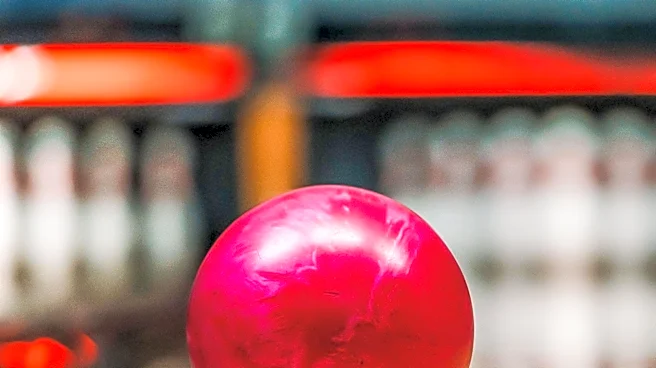
AMF, a prominent operator of bowling alleys across the United States, has launched a comprehensive brand refresh aimed at capitalizing on the current wave of Y2K nostalgia. This rebranding effort includes updates to its logo, slogan, and alley decor,
all designed to evoke a retro, midcentury modern vibe. The initiative is part of a broader strategy to attract both Gen Z and older audiences who are drawn to nostalgic elements. The rebrand is being executed with the creative assistance of the agency DoBad, known for its expertise in branding and design. This move comes as millennials and Gen Zers increasingly seek out analog experiences and aesthetics, such as vinyl records and film cameras, as a counterbalance to digital burnout.
Why It's Important?
The rebranding of AMF is significant as it reflects a broader trend in consumer behavior where nostalgia is being leveraged to engage younger audiences. By tapping into the Y2K aesthetic, AMF aims to create a unique experience that resonates with both new and existing customers. This strategy could potentially increase foot traffic to bowling alleys, revitalize interest in the sport, and boost revenue. For the broader business landscape, AMF's approach highlights the importance of understanding cultural trends and consumer preferences in brand positioning. Companies that successfully integrate nostalgic elements with modern functionality may gain a competitive edge in attracting diverse demographics.
What's Next?
As AMF rolls out its rebranding, the company will likely monitor customer feedback and engagement to assess the effectiveness of its strategy. The success of this initiative could inspire other businesses in the entertainment and leisure sectors to explore similar nostalgic rebranding efforts. Additionally, AMF may consider expanding its marketing campaigns to further emphasize the nostalgic elements of its brand, potentially collaborating with influencers or hosting themed events to draw in younger audiences. The outcome of this rebranding could set a precedent for how traditional leisure activities can be revitalized through strategic branding.