



What's Happening?
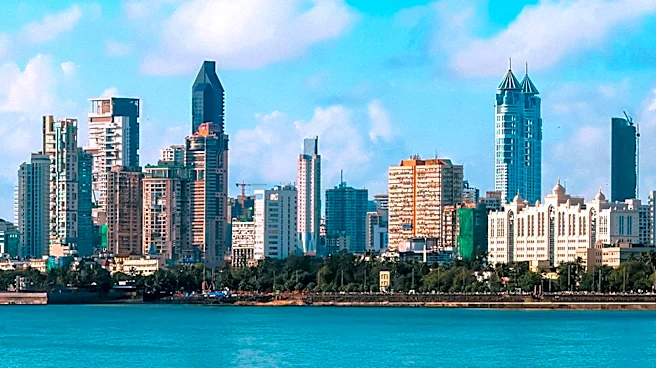
Mumbai, a prominent coastal metropolis on India's western shore, is characterized by a unique blend of British-era architecture, bustling historic markets, contemporary cafes, and a vibrant Bollywood art scene, all set against a seaside backdrop. The
city offers a distinct atmosphere compared to other Indian cities like Delhi, Agra, and Jaipur. Key landmarks include the Gateway of India, an iconic seaside structure from the British Raj, and the Chhatrapati Shivaji Maharaj Terminus (CSMT), a UNESCO World Heritage railway station renowned for its Victorian Gothic architecture infused with traditional Indian styles. Marine Drive, Mumbai's famous coastal road, is a popular spot for evening strolls and offers picturesque views as the city lights up at night, earning it the nickname 'Queen's Necklace.' The city's daily life begins quietly with activities like jogging and yoga along Marine Drive at dawn, followed by the ubiquitous 'cutting chai' from street stalls. Mumbai's culinary scene is diverse, featuring iconic street food like vada pav from historic stalls and unique Chinese-Indian fusion cuisine.
Why It's Important?
Mumbai's significance extends beyond its tourist attractions; it represents a dynamic intersection of tradition and modernity in India. The city's architectural heritage, from colonial structures to intricate railway stations, reflects its rich historical past and its evolution under various influences. Its status as a cultural hub, particularly with Bollywood, makes it a significant contributor to India's global cultural footprint. The bustling markets and diverse culinary landscape highlight Mumbai's economic vibrancy and its role as a center for commerce and daily life. The city's ability to seamlessly integrate ancient traditions with contemporary trends offers a unique case study in urban development and cultural preservation. For visitors, Mumbai provides an immersive experience into India's diverse urban fabric, showcasing how a metropolis can thrive while retaining its historical essence and unique local character.
What's Next?
As a major global city, Mumbai is expected to continue its trajectory as a hub for tourism, business, and culture. Ongoing urban development projects will likely focus on enhancing infrastructure, improving public spaces, and preserving its historical landmarks while accommodating its growing population. The city's vibrant arts and entertainment industry, particularly Bollywood, will continue to attract talent and investment, further solidifying its role as a creative capital. Efforts to manage its unique blend of historical architecture and modern demands will be crucial, potentially leading to more integrated urban planning strategies. Mumbai's dynamic food scene is also likely to evolve, with new culinary trends emerging alongside the preservation of traditional street food culture, ensuring its appeal to both residents and international visitors.
Beyond the Headlines
Beyond its immediate attractions, Mumbai embodies a deeper narrative of resilience and constant motion. The city's relentless pace, often described as chaotic, is also its lifeblood, fostering a unique sense of community and adaptability among its residents. The stark contrasts between opulent colonial architecture and bustling street life, or between serene religious sites and vibrant nightlife, highlight the city's multifaceted identity. Mumbai's ability to absorb and integrate diverse cultures, evident in its fusion cuisine and varied neighborhoods, speaks to its inclusive spirit. The city serves as a microcosm of India's broader socio-economic landscape, showcasing both immense wealth and widespread poverty, yet maintaining a collective energy that drives its continuous evolution. This constant interplay of old and new, rich and poor, tradition and innovation, makes Mumbai a compelling subject for understanding urban dynamics in a rapidly developing nation.