





What's Happening?
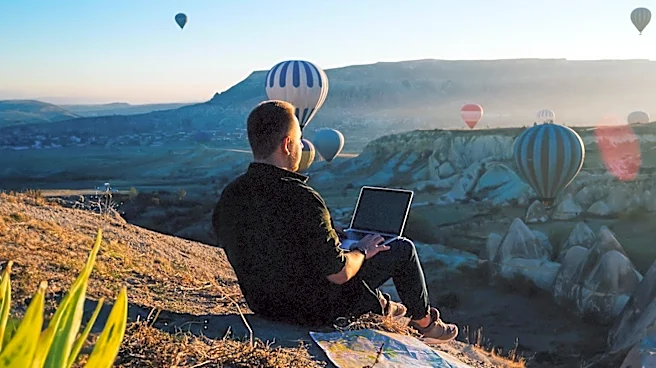
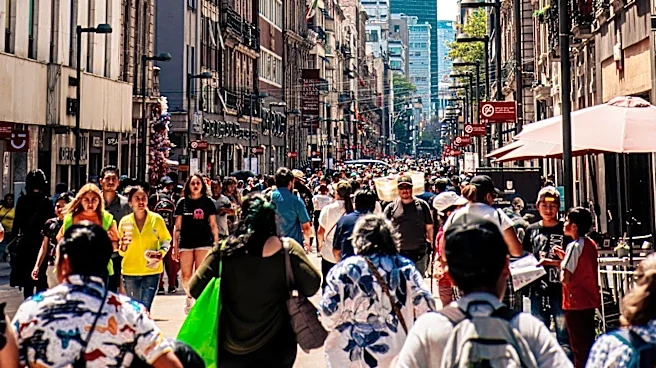
Mexico City is increasingly recognized as a top destination for digital nomads, attracting remote workers with its low cost of living, vibrant cultural scene, and reliable internet connectivity. The city, often referred to as CDMX by locals, offers significantly
lower transportation and accommodation costs compared to Europe, Canada, or the USA. Daily expenses for entertainment and food are also relatively cheaper, providing a high quality of life at an affordable price. The internet infrastructure in Mexico City is noted as impressive and stable, making it conducive for remote work. Furthermore, the visa situation is favorable, with citizens from 65 countries not requiring a visa to enter Mexico, simplifying the process for international remote workers. The city boasts a booming coliving scene, offering various shared living arrangements that provide both affordability and community for digital nomads.
Why It's Important?
The rise of Mexico City as a digital nomad hub has significant implications for both the local economy and the global remote work landscape. For Mexico City, the influx of digital nomads contributes to increased spending on local businesses, including hotels, restaurants, transportation, and tourism, thereby boosting economic activity. This trend also highlights a broader shift in how cities can attract and retain a skilled, mobile workforce, potentially leading to further investment in urban infrastructure and services to cater to this demographic. Globally, Mexico City's appeal underscores the growing importance of factors like cost of living, internet quality, and visa accessibility in determining desirable remote work locations. It also showcases how cities in Latin America can leverage their cultural richness and affordability to compete with traditional remote work destinations, influencing migration patterns and economic development in the region.
What's Next?
As Mexico City continues to solidify its position as a digital nomad hotspot, it is likely to see further development in its coliving sector and related services. The city may experience increased demand for flexible housing options, coworking spaces, and community-building initiatives tailored to remote workers. Local businesses and policymakers might explore strategies to further integrate digital nomads into the urban fabric, potentially leading to new regulations or incentives designed to support this growing population. There could also be a continued focus on enhancing public infrastructure, such as public transportation and internet access, to maintain the city's competitive edge. However, the increased popularity could also bring challenges, such as potential impacts on local housing markets and the need for sustainable urban planning to accommodate growth while preserving the city's unique character.
Beyond the Headlines
The phenomenon of digital nomads choosing Mexico City extends beyond mere economic benefits, touching upon deeper cultural and social dynamics. The city's rich cultural heritage, with over a hundred concert halls and museums, and its status as Latin America's media capital, offers a unique blend of work and lifestyle opportunities. This cultural immersion can foster a more diverse and dynamic urban environment, as digital nomads bring new perspectives and skills. However, it also raises questions about gentrification and the integration of foreign residents into local communities. The affordability that attracts digital nomads could, over time, lead to increased living costs for long-term residents, necessitating careful urban planning and social policies to ensure equitable development. The success of Mexico City in attracting remote workers could serve as a model for other global cities looking to adapt to the evolving nature of work and international mobility.