
What's Happening?
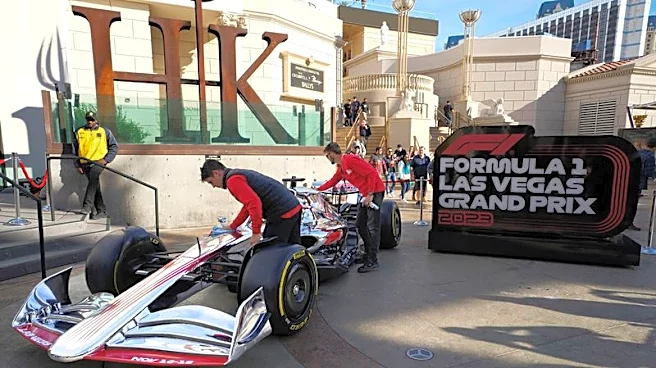
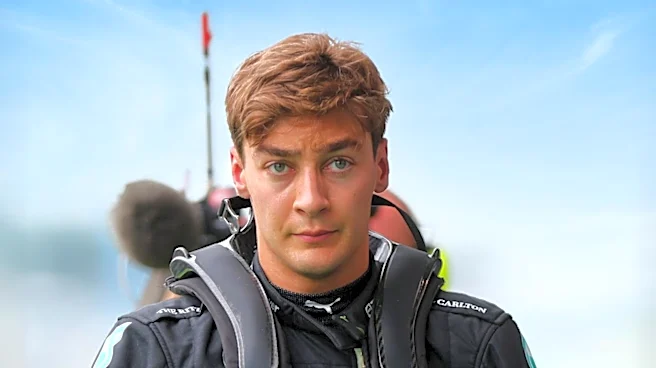
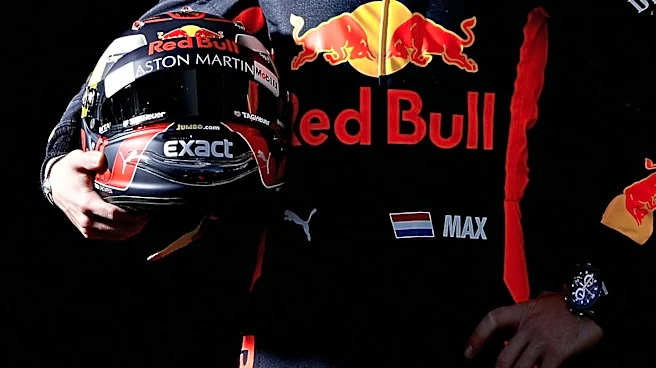
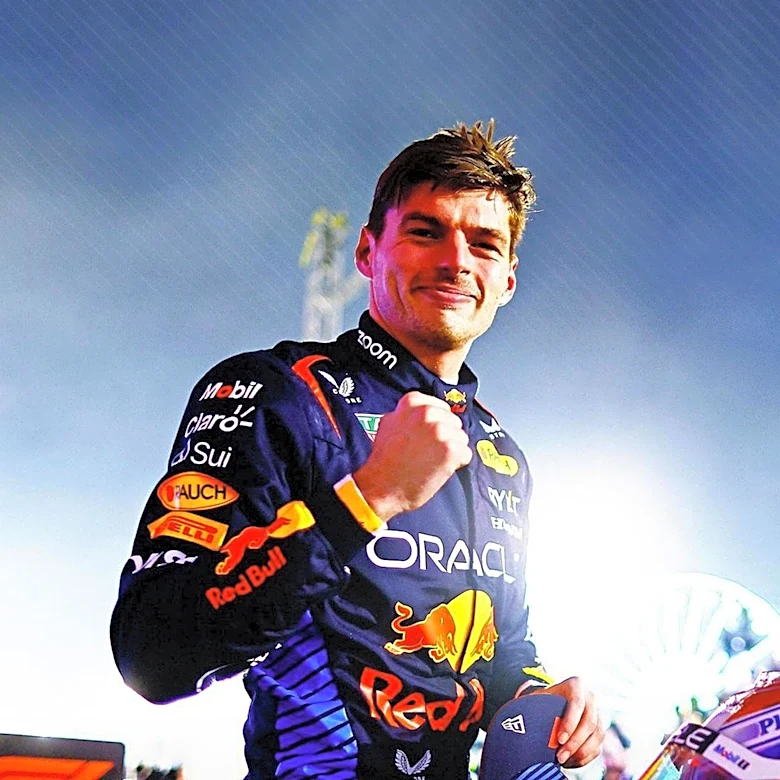
Max Verstappen, a four-time world champion, has stated that Kimi Antonelli's recent success, including becoming the youngest F1 title winner in 2026, does not influence his own motivation. Speaking ahead of the Las Vegas Grand Prix, Verstappen acknowledged
Antonelli's extraordinary talent and impressive performance at a young age, particularly his ability to perform under pressure and fight for a title against an experienced teammate. However, Verstappen emphasized that his drive in Formula 1 is personal, not dependent on the achievements of other drivers or the pursuit of statistical records. He expressed a desire to optimize his own performance each week and stated that only he can decide his future in the sport.
Why It's Important?
Verstappen's stance highlights a significant aspect of elite athletic psychology: intrinsic motivation versus external competition. His focus on personal optimization rather than rival-driven ambition suggests a deep-seated commitment to his craft, which can be a powerful and sustainable source of drive. In a highly competitive sport like Formula 1, where narratives often revolve around rivalries, Verstappen's perspective offers a counter-narrative, emphasizing individual excellence and self-determination. This approach could influence how younger drivers perceive success and longevity in the sport, potentially shifting the focus from direct competition to continuous self-improvement. For Red Bull, having a driver with such internal motivation can be a significant asset, ensuring consistent performance regardless of external pressures or emerging talents.
What's Next?
Verstappen's continued performance will be closely watched as he competes against the new generation of drivers like Antonelli. His commitment to his personal goals suggests he will continue to push his own limits, irrespective of who is at the top. While he has signed a contract extension with Red Bull, his long-term commitment to Formula 1 remains a topic of interest, as he has previously hinted at a potential early exit from the sport. His current focus on personal performance and satisfaction will likely dictate his future decisions, rather than any perceived need to reclaim a top position from a rival. The dynamic between Verstappen and Antonelli will undoubtedly be a key storyline in upcoming seasons, even if Verstappen himself downplays its motivational impact.
Beyond the Headlines
Verstappen's comments delve into the philosophical underpinnings of competitive drive. His assertion that he doesn't 'need anyone else to keep me motivated' speaks to a rare level of self-sufficiency and internal locus of control. In a sport often characterized by intense rivalries and the constant comparison of statistics, Verstappen's perspective offers a refreshing take on what truly fuels a champion. This mindset can have broader implications beyond sports, suggesting that true excellence often stems from an intrinsic desire for mastery rather than external validation or competitive pressure. It also raises questions about the sustainability of motivation in high-pressure environments and whether a focus on personal growth can lead to greater longevity and satisfaction than a constant battle against rivals.