



What's Happening?
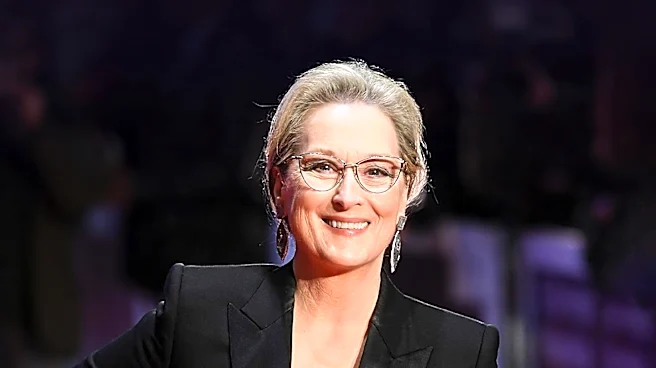
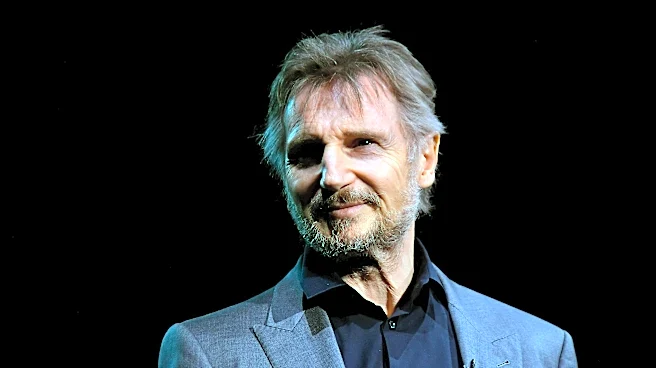
Liam Neeson, who previously voiced Aslan in Disney's 'Chronicles of Narnia' film trilogy from 2005 to 2010, has expressed his approval for Meryl Streep taking over the role in Greta Gerwig's upcoming adaptation, 'Narnia: The Magician's Nephew'. Neeson was
reportedly unaware of the new project until informed during an interview. Upon learning that Streep would voice the iconic lion, he humorously remarked, 'Meryl is playing Jesus Christ? Well, if you’re going to make Christ a lady, nobody better than Meryl.' This comment references Aslan's portrayal as a Christ-like figure in C.S. Lewis's original novels. Gerwig, the director, explained her choice of Streep, stating she sought an actor who was 'profound but not pretentious,' possessed 'gravitas but not morose self-seriousness,' and could convey 'depth and pathos as well as joy and delight.' Gerwig also noted her desire for an actor over 70 with wisdom and a capacity for 'fresh wonder,' identifying Streep as one of the few who fit this description.
Why It's Important?
This casting decision and Neeson's endorsement are significant for the upcoming 'Narnia' adaptation, as it signals a potential shift in how beloved characters are portrayed in major fantasy franchises. The choice of Meryl Streep, a highly acclaimed actress, for a role traditionally voiced by a male actor, particularly one with strong Christ-like allegories, could spark discussions about gender representation in iconic roles and interpretations of classic literature. Neeson's humorous yet supportive reaction may help mitigate any potential backlash from fans resistant to changes in established character portrayals. For Greta Gerwig, known for her distinctive directorial vision in films like 'Barbie,' this casting further solidifies her approach to reimagining well-known stories, potentially attracting a broader audience while also setting a precedent for future adaptations of classic works. The film's success could influence how studios approach casting and character development in similar projects, emphasizing artistic interpretation over strict adherence to previous portrayals.
What's Next?
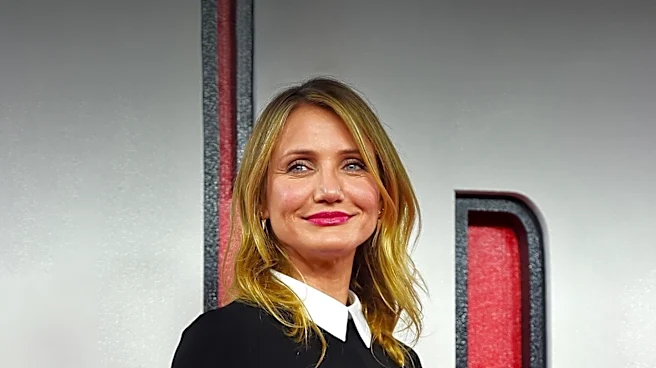
The film, 'Narnia: The Magician's Nephew,' is scheduled for release in cinemas on February 12, 2027, followed by its streaming debut on Netflix on April 2, 2027. As the release dates approach, further details about the film's creative direction, including its musical elements inspired by artists like David Bowie, are likely to emerge. The casting of other notable actors such as Daniel Craig, Carey Mulligan, and Ciarán Hinds also suggests a high-profile production. The public and critical reception to Streep's portrayal of Aslan will be closely watched, especially given the character's significance in the 'Narnia' series. This reception could influence future casting decisions in other adaptations of classic literature, particularly regarding gender-swapped roles or reinterpretations of established characters. The film's performance will also be a key indicator of Netflix's strategy for major fantasy franchises.
Beyond the Headlines
The decision to cast Meryl Streep as Aslan in 'Narnia: The Magician's Nephew' extends beyond a simple casting choice; it delves into deeper cultural and interpretive discussions. Aslan, a central figure in C.S. Lewis's allegorical series, carries significant theological weight, often seen as a representation of Christ. Reimagining this character with a female voice, particularly one as distinguished as Streep's, could prompt re-evaluations of gender roles in spiritual narratives and the flexibility of allegorical interpretations. This move might challenge traditional perceptions of divine figures and open avenues for more diverse representations in religious and mythological storytelling. Furthermore, Greta Gerwig's vision for the film as a 'rock opera' with musical inspirations from artists like David Bowie suggests a bold, contemporary reinterpretation of a classic, potentially bridging traditional literary themes with modern artistic expression. This approach could redefine how classic children's literature is adapted for new generations, emphasizing thematic resonance over strict literalism.