





What's Happening?
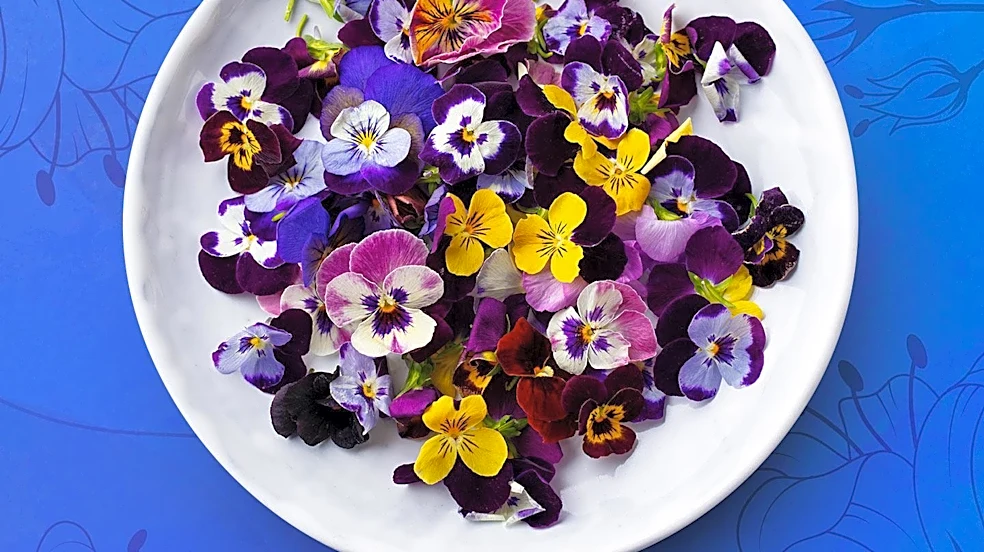
Edible flowers are gaining recognition for their potential health benefits and culinary applications. These blooms, when grown specifically for food without harmful pesticides, can provide a range of bioactive compounds such as antioxidants, polyphenols,
and flavonoids. While not a common staple in everyday cooking, certain varieties like roses, violets, and pansies are safe to consume and are used in various cuisines globally. They can add unique flavors and colors to dishes, including rice, smoothies, sauces, and beverages. Beyond their aesthetic appeal, these flowers are being studied for their potential to boost digestion, alleviate stress, manage diabetes, lower cholesterol, promote heart health, and improve skin and menstrual health. The health benefits can vary by flower type, and human evidence is still being gathered to support some of these claims. It is crucial to only consume flowers specifically identified as edible and grown under food-safe conditions, as ornamental flowers may contain toxic compounds or pesticide residues.
Why It's Important?
The growing interest in edible flowers highlights a broader trend towards incorporating natural and functional ingredients into diets. For the U.S. food industry, this presents an opportunity for innovation in product development, from specialty food items to health-focused beverages and supplements. Consumers are increasingly seeking foods that offer both nutritional value and unique sensory experiences, making edible flowers a niche but growing market. This trend could impact agricultural practices, encouraging more farmers to cultivate food-grade flowers. Furthermore, the emphasis on food safety and proper cultivation methods for edible flowers underscores the importance of regulatory oversight and consumer education to prevent the consumption of harmful varieties. As research continues into the specific health benefits of different edible flowers, it could lead to new dietary recommendations and a greater appreciation for the diverse nutritional potential of plant-based foods.
What's Next?
The future of edible flowers in the U.S. market will likely involve increased research into their nutritional profiles and health benefits, potentially leading to more widespread adoption in culinary and health-conscious circles. We can expect to see more food manufacturers and restaurants incorporating these ingredients into their offerings, driven by consumer demand for natural and visually appealing food options. Educational initiatives will be crucial to inform the public about which flowers are safe to eat and how to source them responsibly. This could include clearer labeling on food products containing edible flowers and guidelines for home gardeners. Additionally, agricultural practices may evolve to meet the demand for food-grade flowers, potentially leading to new farming techniques and certifications to ensure product safety and quality. The development of new recipes and culinary techniques featuring edible flowers will also contribute to their integration into mainstream diets.
Beyond the Headlines
The rise of edible flowers touches upon several deeper implications, including the intersection of food, aesthetics, and wellness. Culturally, it reflects a desire for more holistic and natural approaches to health and dining, moving beyond mere sustenance to an appreciation of food as an art form and a source of well-being. Ethically, the emphasis on pesticide-free cultivation raises questions about sustainable agriculture and the environmental impact of food production. It also highlights the importance of biodiversity in our food systems, encouraging the exploration of less common plant species for their nutritional and culinary value. Legally, the need for clear regulations and standards for edible flowers is paramount to protect public health, ensuring that consumers can trust the safety and quality of these products. This trend could also foster a greater connection between consumers and the origins of their food, promoting a more mindful approach to eating and a deeper understanding of the natural world.