


What's Happening?
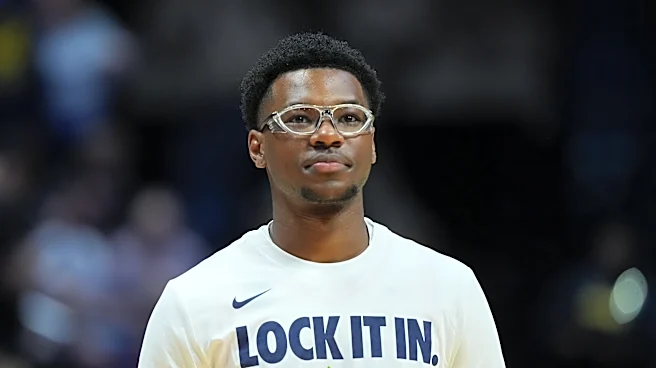
Sports commentator Jason Whitlock has accused LeBron James of using his influence to advance the basketball careers of his sons, Bryce and Bronny James. Whitlock's criticism intensified following Bryce James' debut start for Arizona, where he played six
minutes, shot 0-for-3, and recorded one assist in an 84-75 loss to UCLA. Whitlock labeled Bryce a 'Make-A-Wish kid,' suggesting he does not deserve his position on the Arizona basketball team and that LeBron James is forcing token starts for him. This follows similar remarks Whitlock made in May 2024 regarding Bronny James' selection in the NBA draft by the Los Angeles Lakers, where he also used the 'Make-A-Wish' analogy and accused LeBron James of being selfish and narcissistic for making his child a 'prop' to fulfill his own fantasy of playing with his son in the NBA. Bronny James' draft selection made him and LeBron James the first father-son duo to play in the NBA simultaneously, a milestone achieved on October 22, 2024.
Why It's Important?
Whitlock's commentary highlights a recurring debate in sports regarding nepotism and the perceived fairness of opportunities for athletes with famous parents. The 'Make-A-Wish kid' analogy, while provocative, underscores a sentiment that some athletes may receive preferential treatment due to their family connections rather than merit alone. This narrative can impact public perception of both the athletes and the leagues they play in, potentially leading to questions about the integrity of player selection processes. For LeBron James, a highly influential figure in the NBA, these accusations could tarnish his image, suggesting a willingness to leverage his power for personal gain rather than adhering strictly to meritocratic principles. The broader implication touches on the challenges faced by children of successful public figures, who often operate under intense scrutiny and face skepticism about their achievements.
What's Next?
The ongoing careers of Bryce and Bronny James will likely continue to be scrutinized, particularly in light of Whitlock's public statements. Any future performances, whether positive or negative, will be viewed through the lens of these criticisms, potentially fueling further debate about their merits versus their father's influence. The NBA and NCAA may face indirect pressure to demonstrate transparency and fairness in their processes, especially concerning high-profile athletes. LeBron James and his sons may choose to address these criticisms directly or continue to let their on-court performance speak for itself. The narrative surrounding 'legacy' players and the role of family influence in professional sports is expected to remain a topic of discussion among sports analysts and fans.
Beyond the Headlines
The controversy surrounding the James family's basketball careers extends beyond individual performance, touching on deeper societal issues of privilege, access, and the American dream. It raises questions about whether talent alone is sufficient for success, or if connections and influence play an increasingly dominant role in highly competitive fields. The 'Make-A-Wish kid' label, while harsh, reflects a cultural anxiety about perceived unfair advantages and the erosion of meritocracy. This discussion is not unique to sports; it resonates across various sectors where family legacy and networking can open doors that remain closed to others. The public's reaction to these events also reveals underlying expectations about fairness and equal opportunity, highlighting the tension between individual ambition and systemic advantages.