



What's Happening?
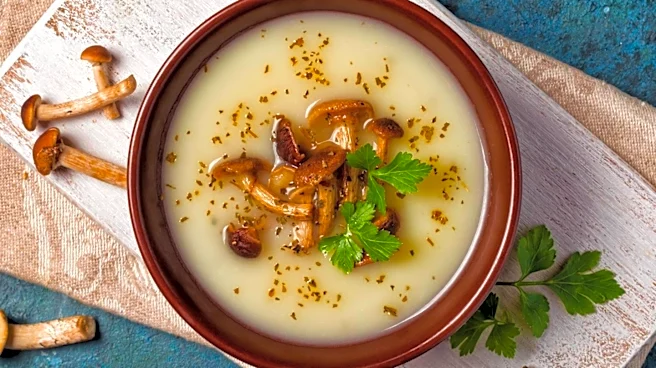
Dried mushrooms are gaining recognition for their ability to add significant depth of flavor and umami to various dishes, particularly soups. The drying process concentrates their savory notes, making them a potent ingredient that can be stored for extended
periods. When rehydrated, these mushrooms provide a meaty texture, and their soaking liquid transforms into a ready-made, flavorful broth. Different varieties, such as porcini, shiitake, morel, chanterelle, black trumpet, and lobster mushrooms, offer distinct flavor profiles and textures, making them suitable for a wide range of soup types. For instance, porcini are noted for their deep, nutty, and earthy flavor, ideal for mushroom barley or bean soups, while shiitake provide a smoky savoriness that complements Asian-style broths. The process of using dried mushrooms involves rehydrating them in warm water, straining the liquid to remove grit, and then incorporating both the rehydrated mushrooms and the flavorful liquid into the soup.
Why It's Important?
The increasing use of dried mushrooms in cooking highlights a growing trend towards incorporating concentrated, natural flavors and plant-based ingredients into meals. This is particularly important for consumers seeking to enhance the nutritional value and taste of their food without relying on artificial additives or lengthy cooking times. For the food industry, this trend signifies a demand for versatile and shelf-stable ingredients that can cater to diverse culinary preferences and dietary needs, including vegetarian and vegan options. The ability of dried mushrooms to impart a 'meaty' flavor and texture makes them a valuable substitute in plant-based dishes, potentially expanding their market appeal. Furthermore, the convenience of using dried mushrooms, which can be stored for months and quickly rehydrated, aligns with modern lifestyle demands for efficient and accessible cooking solutions, benefiting both home cooks and professional chefs.
What's Next?
As consumer awareness of the culinary benefits and health properties of mushrooms continues to grow, it is likely that the market for dried mushrooms and mushroom-derived products will expand. This could lead to the introduction of more diverse dried mushroom varieties in grocery stores and specialty food markets, as well as innovative food products that incorporate mushroom powders or extracts for flavor and nutritional enhancement. We may also see an increase in educational content and recipes promoting the use of dried mushrooms in everyday cooking, further integrating them into mainstream culinary practices. Additionally, the focus on sustainable and natural food sources could drive further research into the cultivation and processing of various mushroom species, potentially leading to new applications beyond traditional culinary uses.
Beyond the Headlines
The rising popularity of dried mushrooms reflects a broader cultural shift towards appreciating umami, the fifth basic taste, and exploring its potential to elevate dishes. This trend extends beyond mere flavor to encompass a deeper understanding of food as a source of both nourishment and sensory pleasure. The use of dried mushrooms also touches upon the concept of food preservation and waste reduction, as drying extends the shelf life of a perishable ingredient, making it available year-round. Ethically, the cultivation and harvesting of mushrooms can offer sustainable agricultural practices, especially when compared to more resource-intensive food production methods. This growing interest in mushrooms, both fresh and dried, suggests a more conscious approach to food consumption, where flavor, health, and sustainability are increasingly intertwined in consumer choices and culinary innovation.