




What's Happening?
Verisk, a prominent data analytics and technology partner for the global insurance industry, has introduced a new U.S. Data Center Exposure Database. This database is designed to assist insurers, reinsurers, and brokers in better understanding and managing
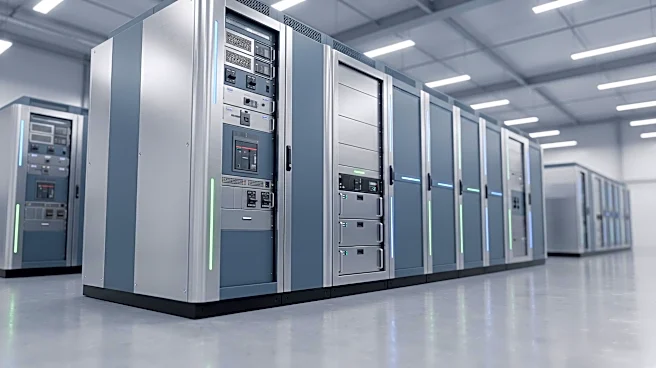
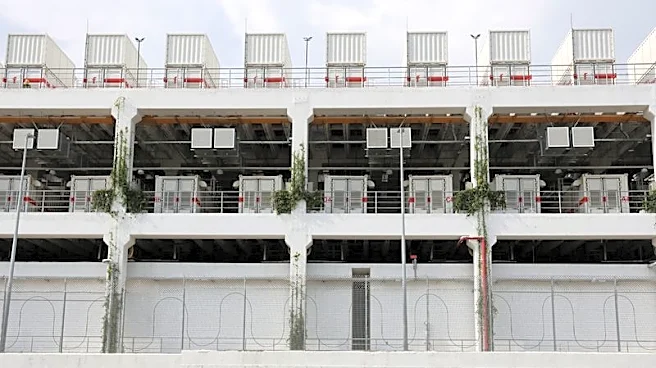
the escalating risks associated with data centers. The new tool provides detailed building-level geocoding, facility footprints, physical characteristics, and operational attributes for over 2,500 data centers across the United States. This initiative comes as the artificial intelligence sector fuels substantial investment in digital infrastructure, leading to a surge in demand for data center capacity globally. Industry projections suggest that global data center insurance premiums could more than double from approximately $10 billion in 2026 to $23 billion by 2030, reflecting the rapid expansion of facilities supporting AI, cloud computing, and various digital services. The database aims to address the current reliance on incomplete or inconsistent location data by insurers when assessing exposure concentrations and catastrophe risks.
Why It's Important?
The proliferation of data centers, driven by advancements in AI and cloud computing, represents a significant and growing concentration of insured value within the modern economy. These facilities often house billions of dollars in physical assets and are critical for essential business, government, and digital operations. Without precise data on their location, structural integrity, and operational characteristics, insurers face challenges in accurately assessing potential losses from catastrophic events like hurricanes, floods, and earthquakes. Verisk's new database provides a crucial tool for the insurance industry to gain deeper insights into this emerging risk class. This enhanced visibility allows for more informed underwriting decisions, improved exposure management, and more accurate catastrophe modeling, ultimately contributing to greater financial resilience for insurers, reinsurers, and the broader economy. The ability to identify and quantify these risks is essential for effective risk management and capital allocation in a rapidly evolving digital landscape.
What's Next?
The Verisk U.S. Data Center Exposure Database is now available to insurers, reinsurers, brokers, and other risk management organizations through Verisk’s catastrophe modeling software, Verisk Synergy Studio and Touchstone. This integration will enable immediate application of the new data for underwriting, exposure management, and portfolio accumulation assessments. As AI infrastructure continues its expansion across the United States, the demand for such detailed risk intelligence is expected to grow. Insurers will likely leverage this database to refine their pricing models, develop specialized insurance products for data centers, and enhance their disaster preparedness strategies. The availability of this data may also influence investment decisions in the digital infrastructure sector, as investors and capital markets participants gain a clearer understanding of the associated risks. Future updates to the database could include even more granular data or expand to cover international data center exposures.
Beyond the Headlines
The launch of Verisk's data center database highlights a broader trend where the physical infrastructure supporting the digital economy is becoming a critical focus for risk assessment. While AI is often perceived as a purely digital transformation, its reliance on massive physical data centers creates tangible vulnerabilities. This development underscores the increasing interconnectedness of technological advancement and traditional risk management. The ethical implications of such detailed data collection could involve concerns about proprietary information of data center operators, though the primary focus here is on aggregated risk assessment for insurance purposes. Long-term, this initiative could lead to more standardized risk assessment protocols for critical digital infrastructure, potentially influencing regulatory frameworks for data center resilience and security. It also signals a growing need for specialized expertise in assessing complex, high-value technological assets within the insurance sector.